

Ancient, Undisturbed and Largely Overlooked
Zimbabwe is a country that has not yet been discovered by the mainstream. Ancient baobab forests, vast private reserves, sandstone ridges, and a wildlife encounter fundamentally different from anything the more travelled parts of Africa offer. It is a destination that feels, in the truest sense, untouched, and one that Zameera has chosen to feature precisely because of that.
Discover experiences


One of the Highest Concentrations of Black Rhino Remaining in Africa
The Malilangwe Wildlife Reserve in Zimbabwe's remote southeast covers 130,000 acres of cathedral mopane forest, ancient baobab trees, and open savannah bordering the Gonarezhou National Park. It is one of the most biodiverse private reserves on the continent, home to the Big Five, rare roan and sable antelope, over 380 species of bird, and critically endangered black rhino protected by one of Africa's most dedicated conservation trusts.
What makes Malilangwe different from the better-known safari destinations is the absence of noise. No competing vehicles at a sighting, no compromises, no crowds. The reserve exists for the wildlife and for a very small number of guests at any one time.
Scattered across the reserve are over 100 San rock art sites dating back more than 2,000 years, among the most significant and least visited in Africa. To spend a morning among these sites with a guide, then an afternoon watching black rhino from a concealed hide above a waterhole, is to understand why Zimbabwe is quietly becoming one of the most compelling safari destinations on earth.
Extraordinary Experiences Available on Request
Some of the most remarkable experiences we offer cannot be booked instantly, by their nature, they require a private conversation.
Discover experiences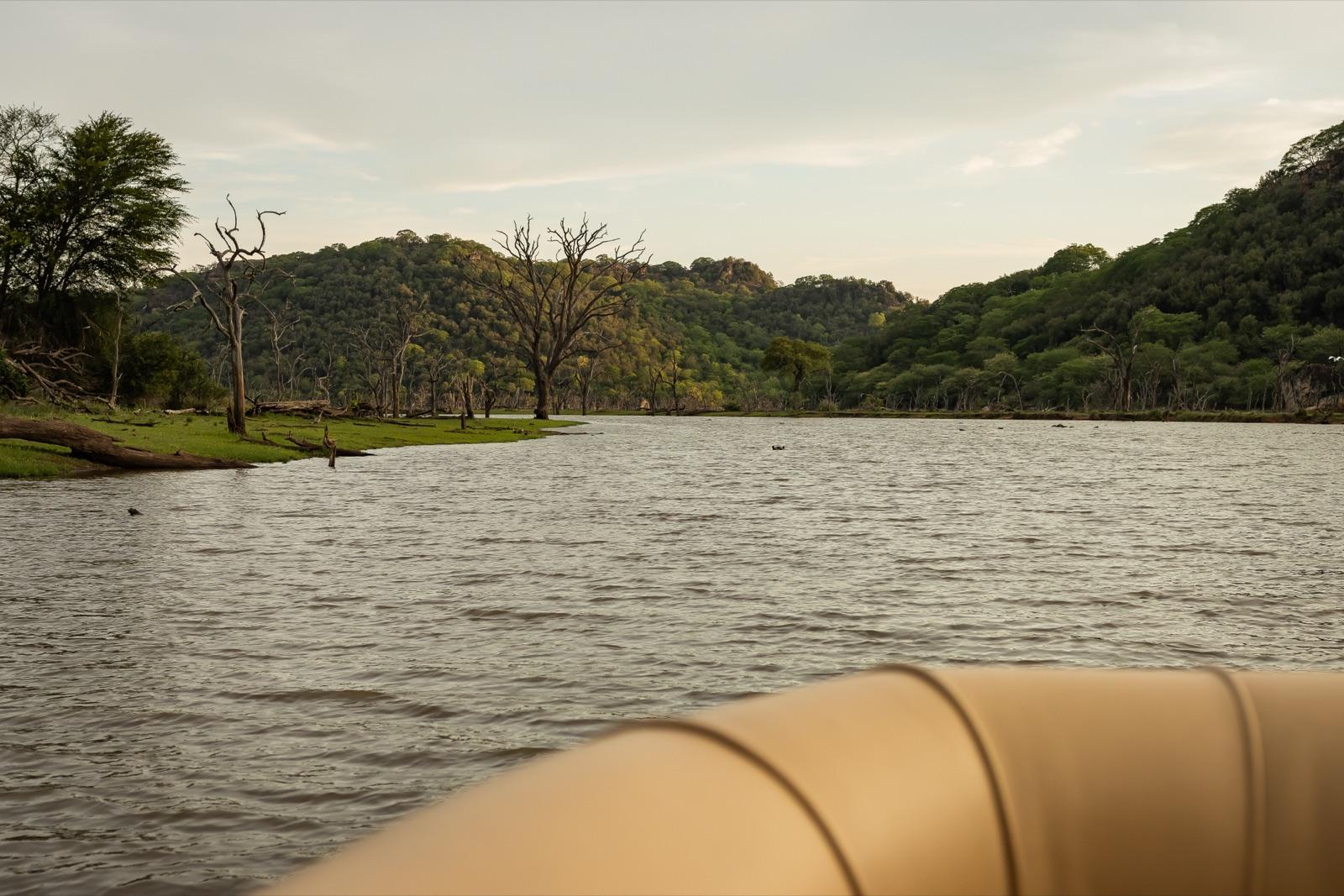
Rhino on Foot
Six nights at Singita Pamushana, the only lodge on Zimbabwe's 115,000-acre Malilangwe Reserve, tracking black rhino on foot and walking to ancient San rock art, with just eight suites on a reserve this large.
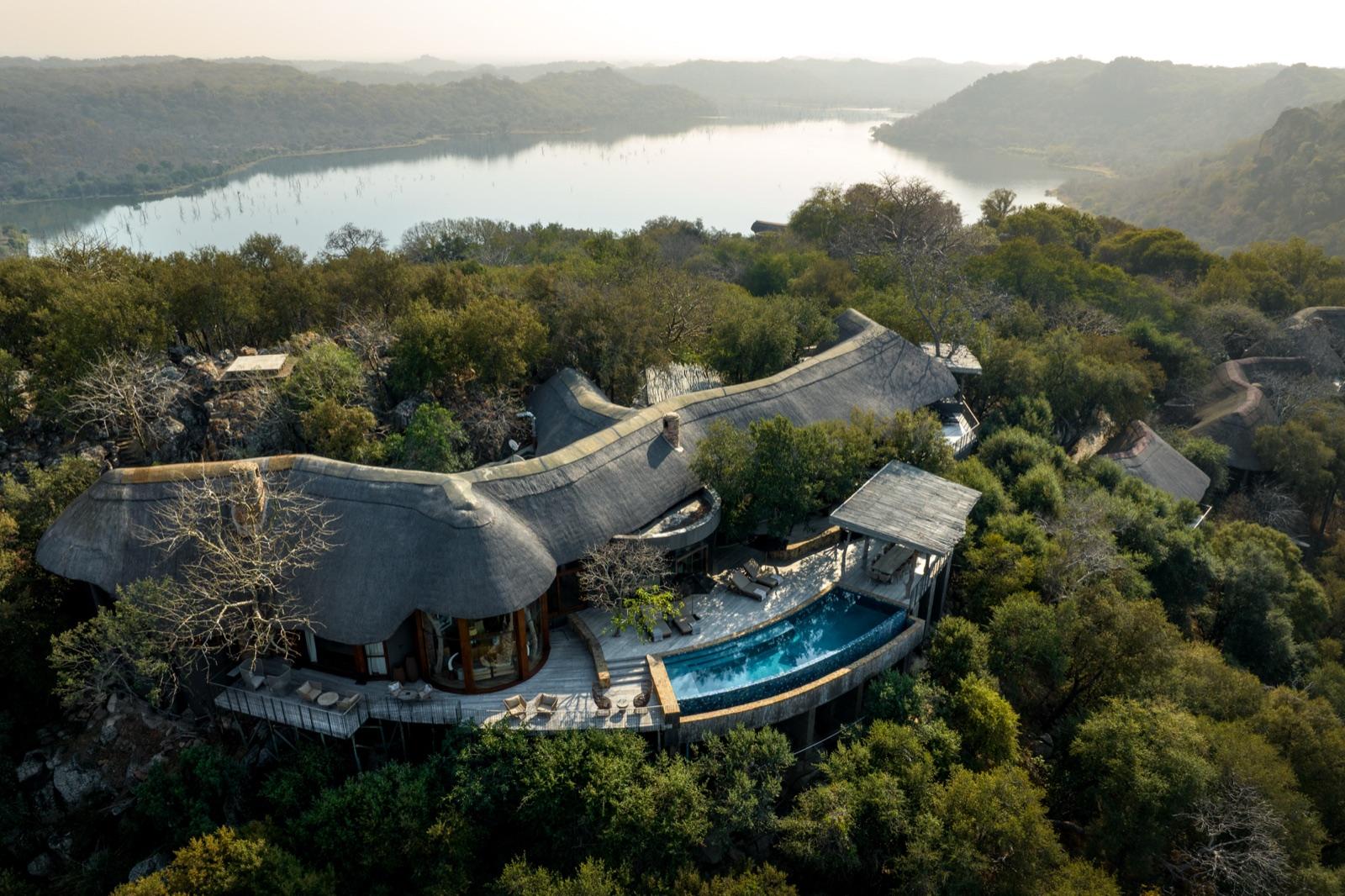
A House in the Wild
Four nights of exclusive-use safari on Zimbabwe's 115,000-acre Malilangwe Reserve, one private house and its whole staff held for a single family, with black rhino on foot, ancient rock art and a reserve to yourselves.
Experiences Crafted by Zameera
A series of original experiences, conceived and curated entirely by Zameera. Coming soon.
Zameera Collection
What to Know About Zimbabwe
English is one of Zimbabwe's official languages and is widely spoken. Tourism is priced in US dollars, and lodges settle extras to your account. Carry small US notes for tips and any community purchases.
Central Africa Time, GMT+2, with no daylight saving through the year.
The dry months from May to October pull wildlife towards water and suit tracking and walks. The green season from November to April brings rain, newborn animals and heavier afternoon light, and turns some off-site trips seasonal.
Most visitors need a visa, available on arrival or online in advance depending on nationality. Check current requirements and keep at least six months' passport validity and blank pages.
International flights land at OR Tambo, Johannesburg. Federal Air connects to Buffalo Range on Mondays and Thursdays, then a 45-minute road transfer to the reserve. Private charters use Lonestar, 12 minutes away.
Neutral, layered clothing for cool mornings and warm days, closed shoes for walking, sun protection, binoculars and any personal medication. Malaria prophylaxis is advised; ask your doctor.

Zimbabwe, Through Our Eyes
For those who want to understand the destination before they arrive.
The Journal
The Reserve That Chose Conservation Over Convenience
The Malilangwe Wildlife Reserve in Zimbabwe's remote southeast protects one of the highest concentrations of black rhino remaining in Africa.

Why Zimbabwe Is the Africa Most People Have Not Found Yet
The crowds go to Kenya. The well-travelled go to Botswana. The few who know where to look come to Zimbabwe.