
The Last Wilderness on Earth
Antarctica is the most remote and least visited place on earth, a continent of extraordinary scale covered in ice, ocean and silence. It has no permanent population, no roads and no infrastructure. What it offers those willing to make the journey is something no other destination can replicate: complete contact with a natural environment unchanged for millions of years.
Discover experiences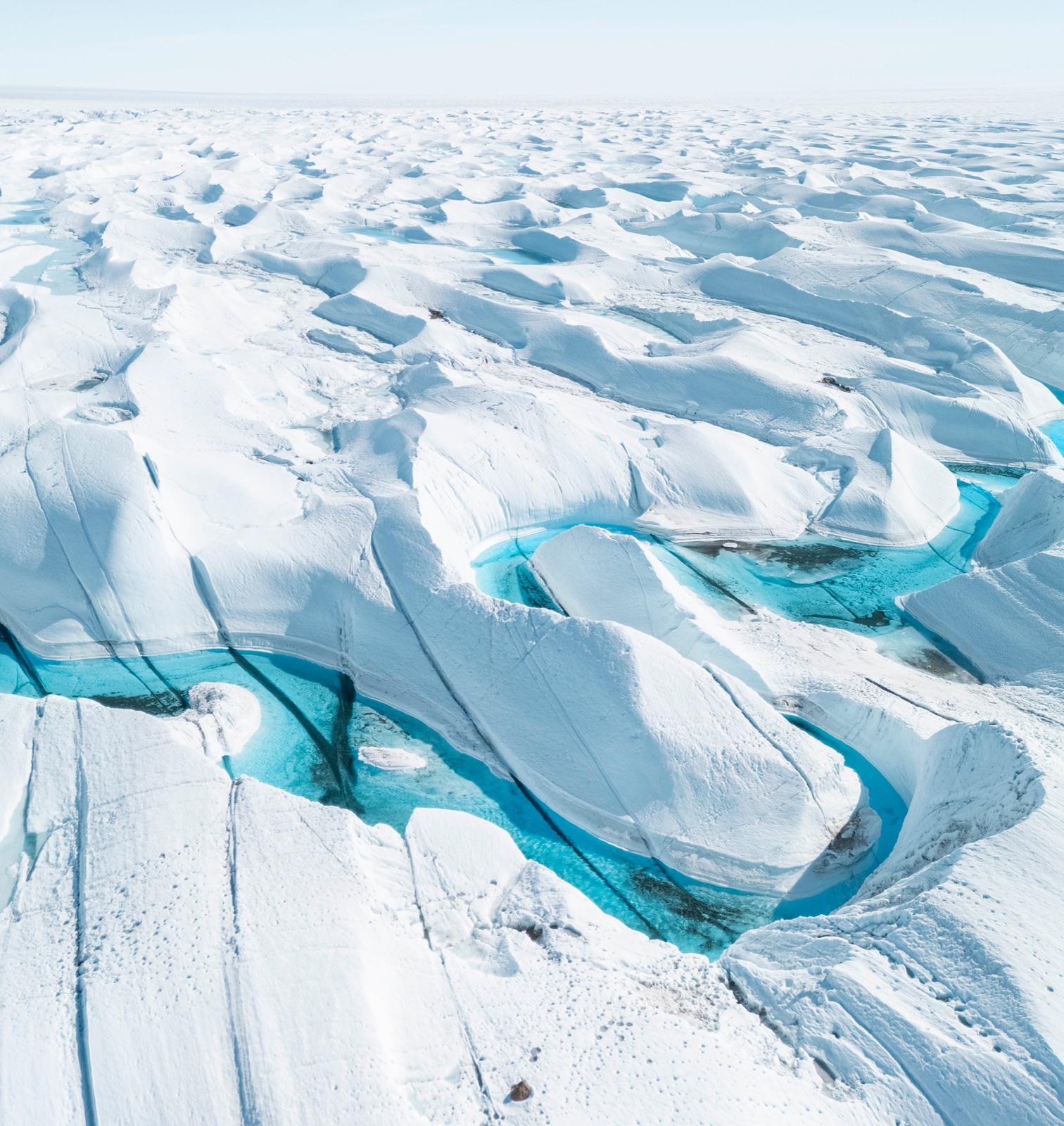
Fewer Than 50,000 People Have Ever Set Foot Here
There are places in this world that photographs cannot prepare you for. Antarctica is one of them. Not because the images are inaccurate, but because no image has ever captured the scale, the silence, or the particular quality of light that exists at the bottom of the earth in the height of summer. You have to be there for it to make sense, and very few people ever are.
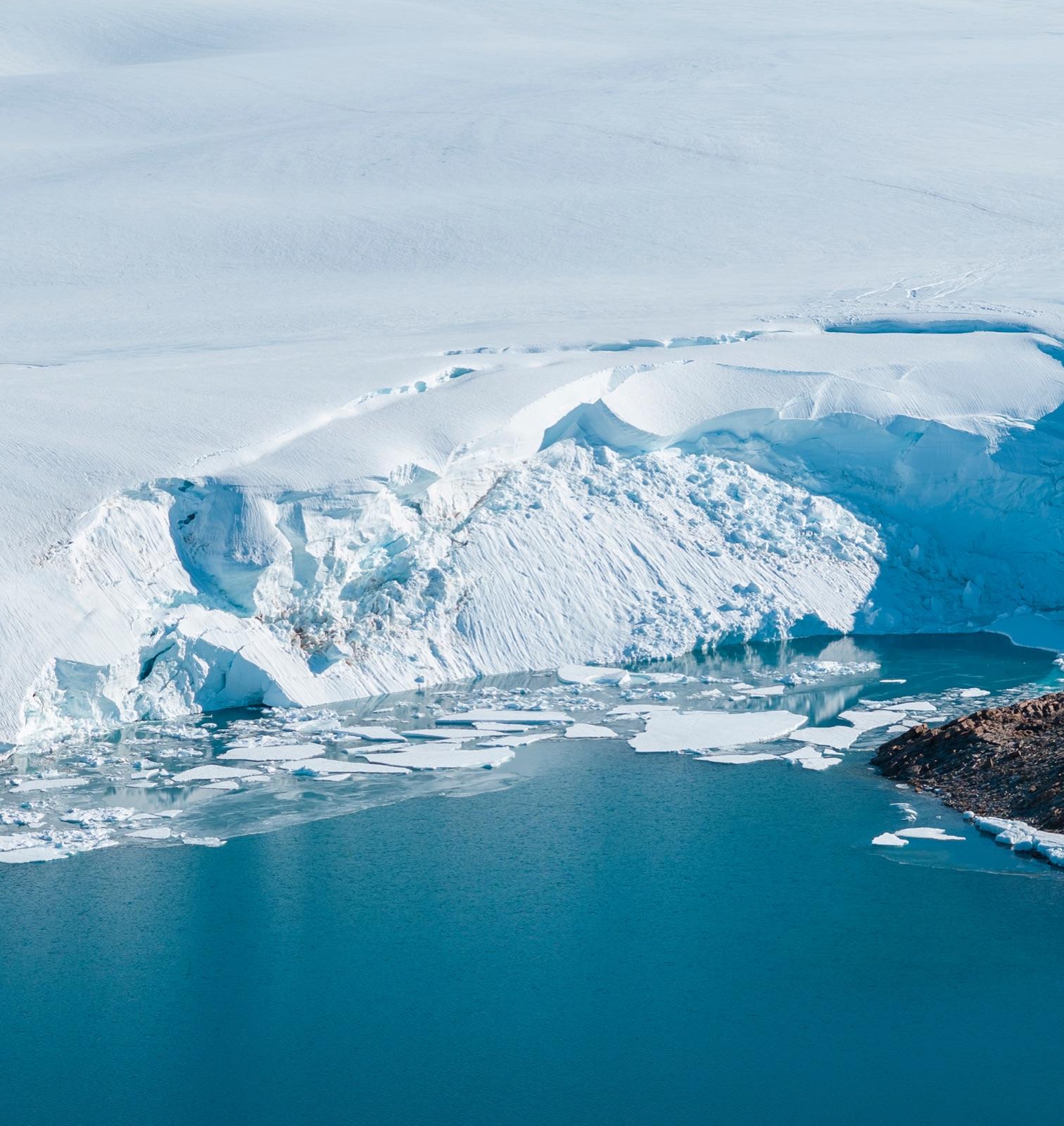
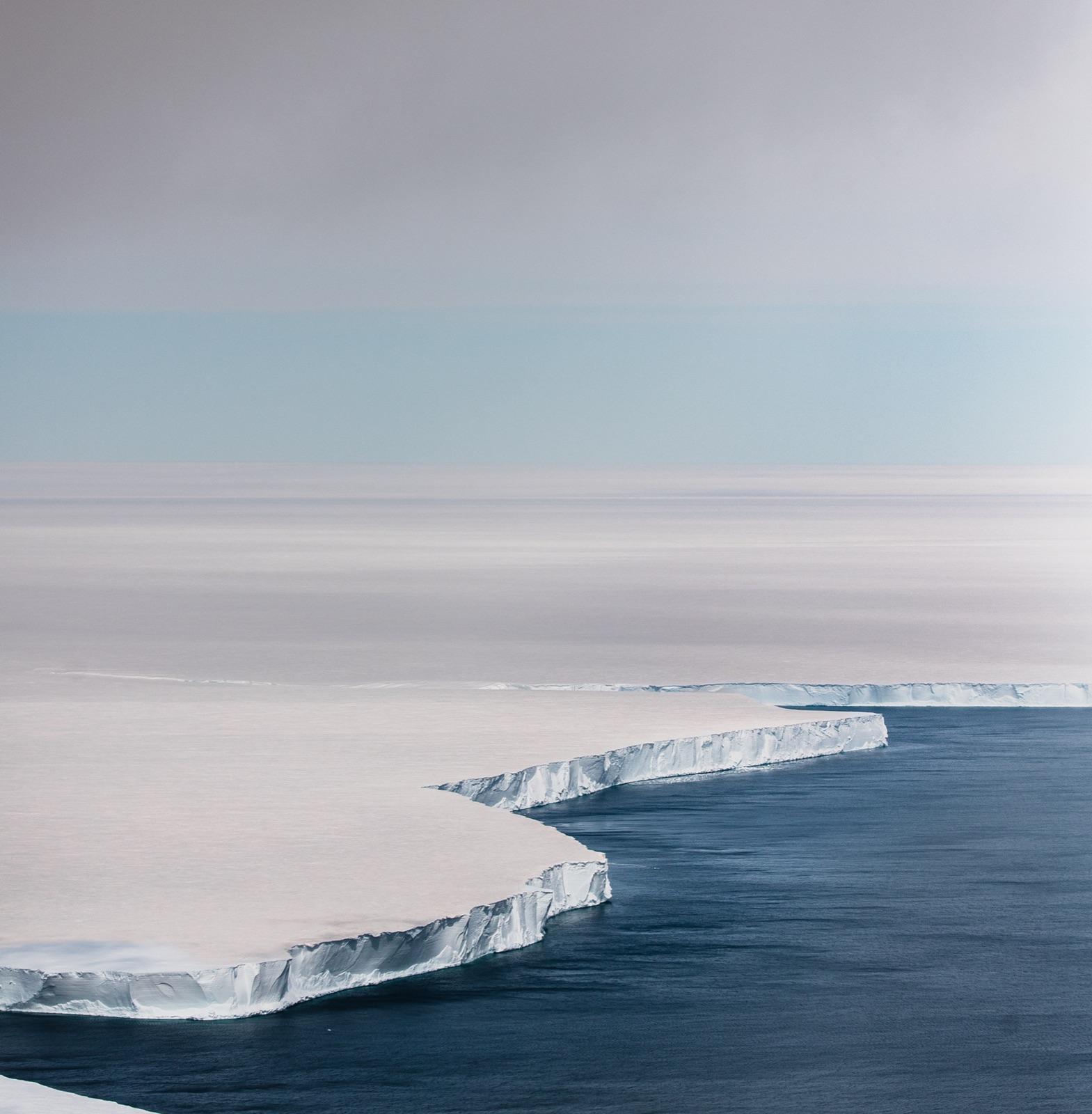
The continent covers 14 million square kilometres of ice, ocean and rock, with no permanent population, no roads and no towns. In summer the sun does not set. The light stays and changes colour across the full spectrum over the course of a single day. Icebergs the size of city blocks drift through water so clear that the movement of humpback whales can be tracked from the surface. Penguin colonies number in the hundreds of thousands and register as sound long before they come into view. Emperor penguins stand on sea ice that has existed for thousands of years.
The season runs from November to March. Outside of those months, Antarctica closes entirely. The number of visitors permitted each year is strictly controlled by international treaty. Fewer people have set foot on this continent than have climbed Everest. That will not change.
Extraordinary Experiences Available on Request
Some of the most remarkable experiences we offer cannot be booked instantly, by their nature, they require a private conversation.
Discover experiences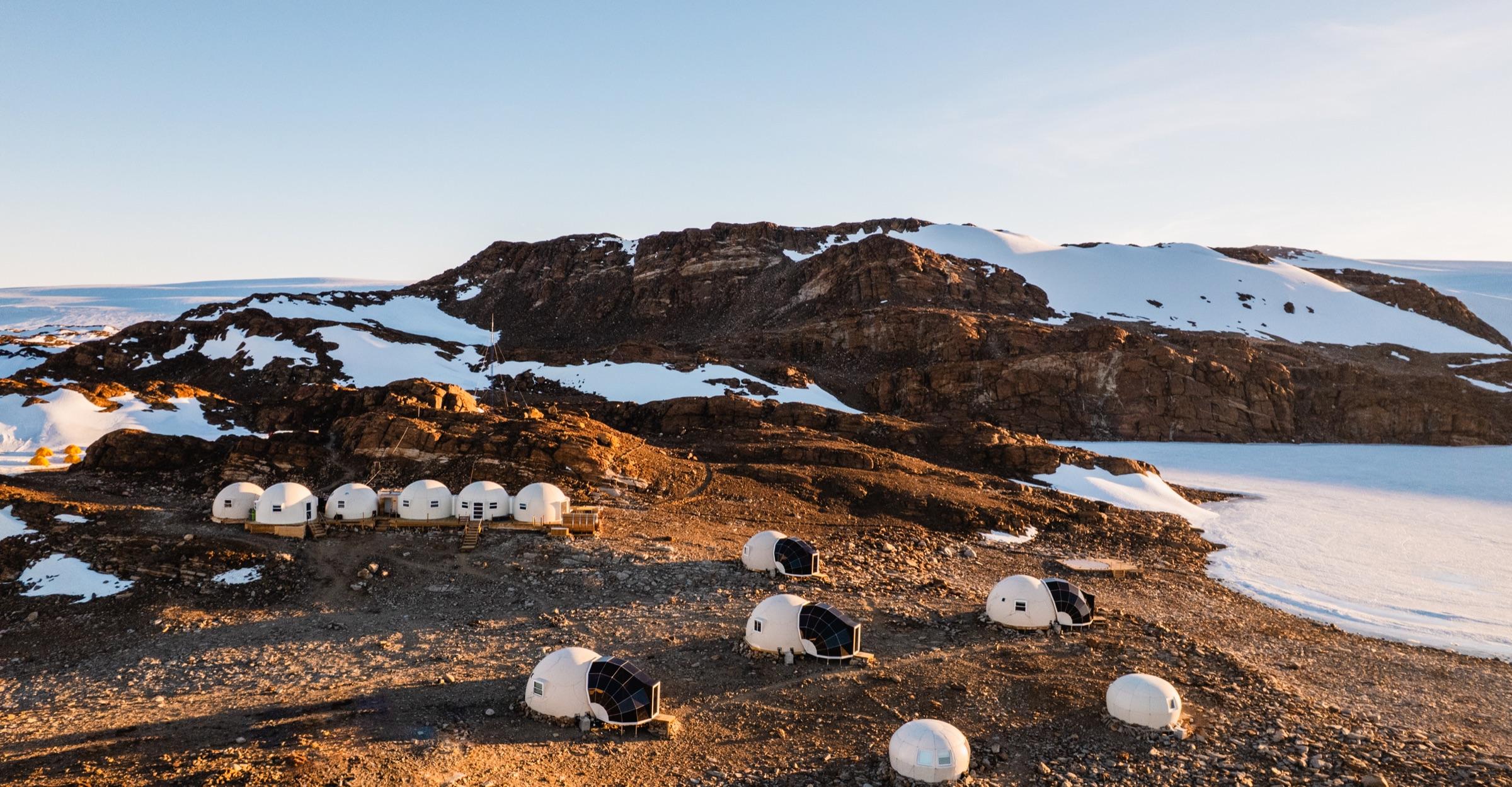
A Private Antarctic World
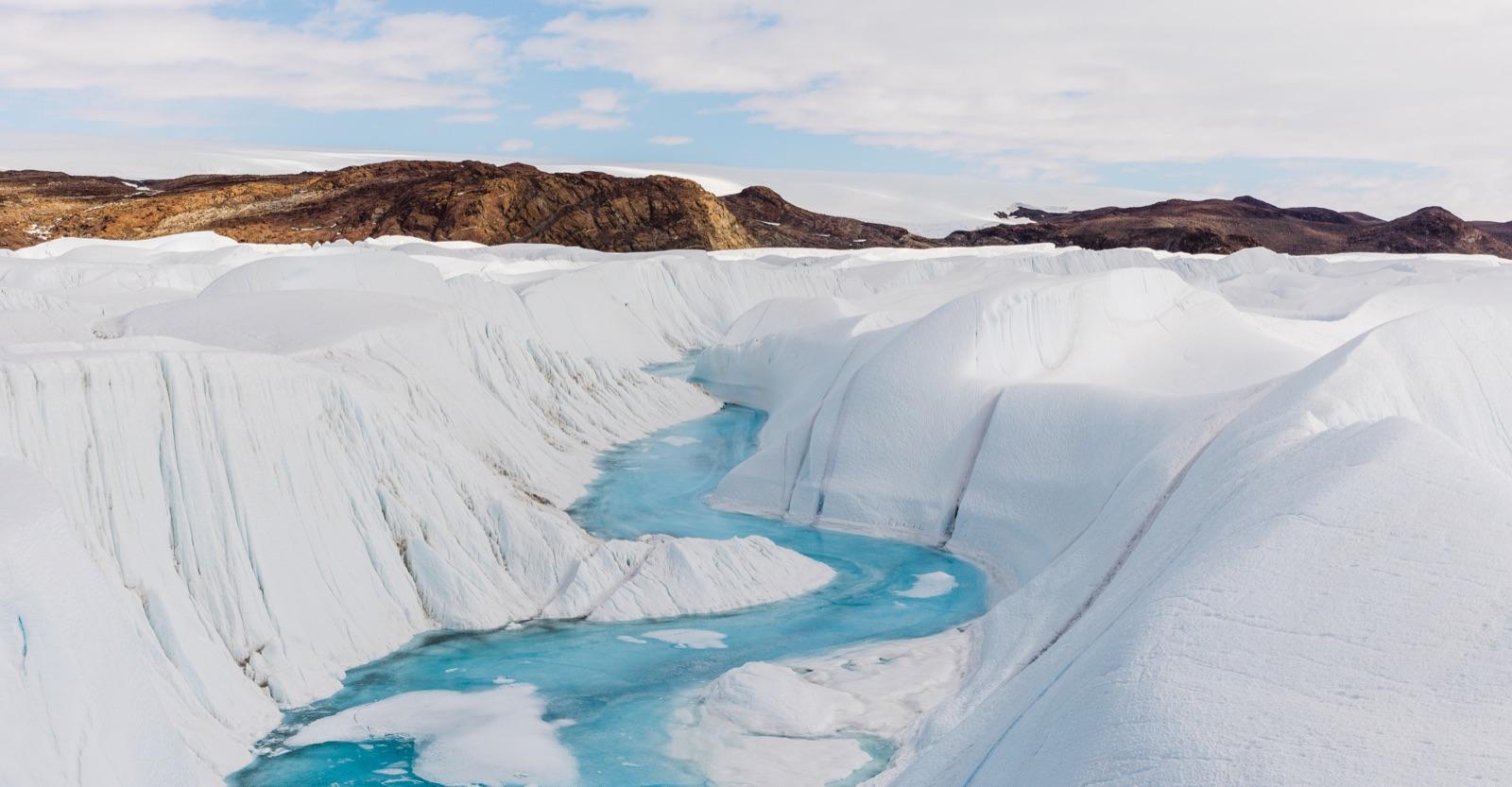
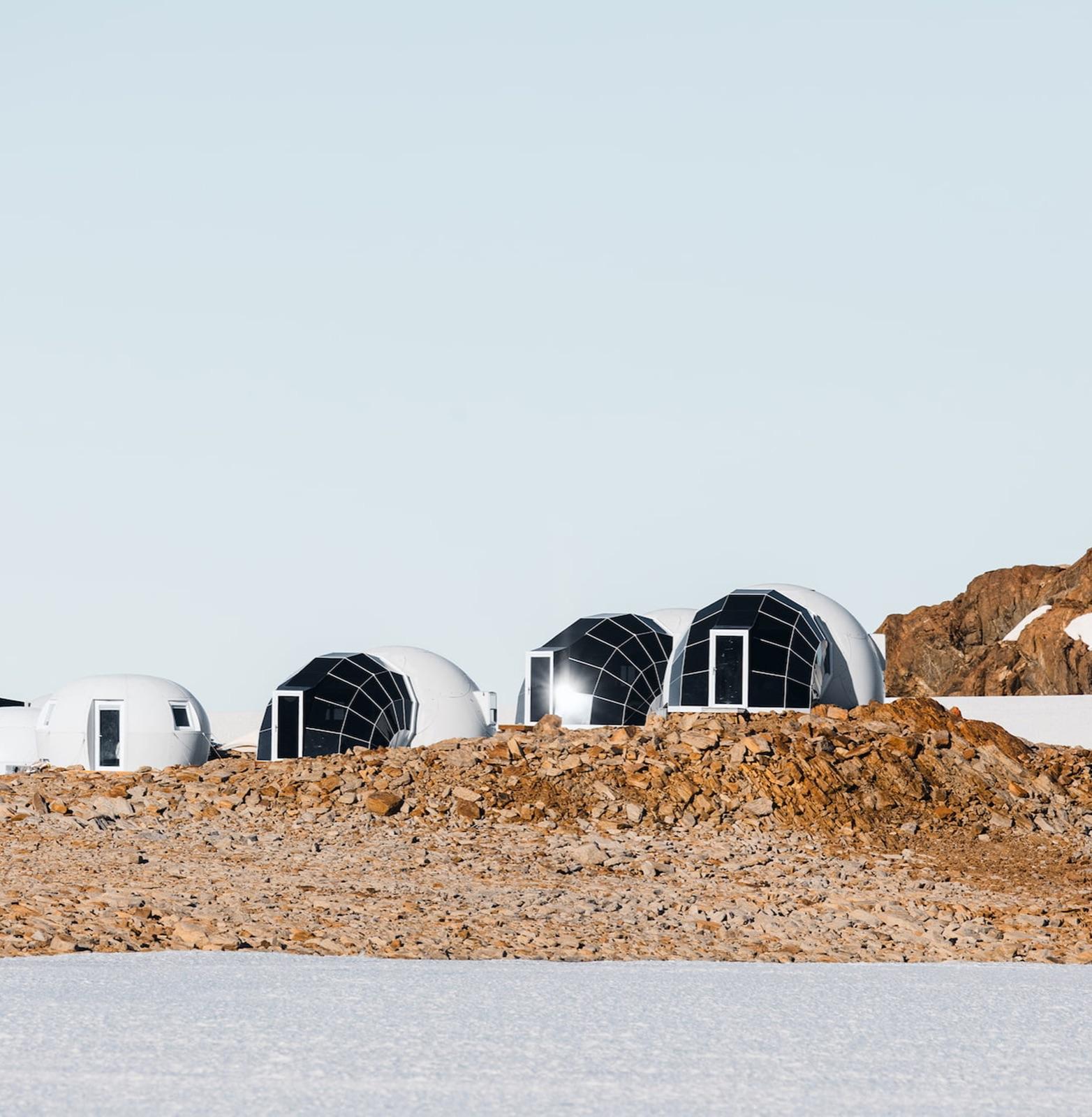
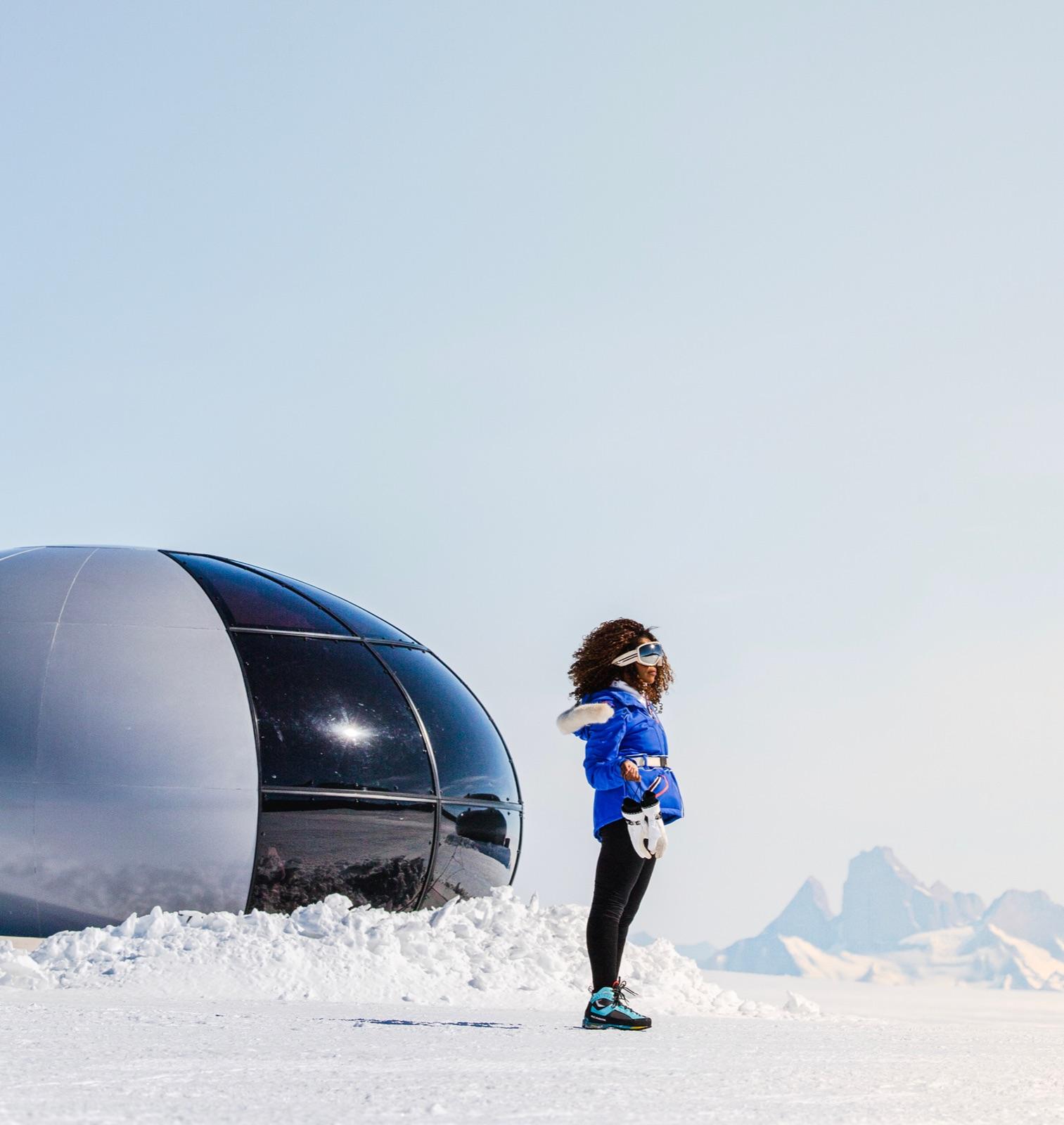
A seven-night private buyout of Whichaway Camp, reserved exclusively for up to 12 guests. Set among exposed rock, freshwater lakes and glacier, the camp brings heated polar pods, hot showers, fine dining, sauna, Polar plunge, a wellness dome and a full-time physical therapist into one of the least accessible places on Earth. In the December to January window, the week can include the South Pole, reached by fewer than 500 people a year, alongside Emperor penguins, glacier hikes, the blue rivers and ice caves.
The Long Antarctic Stay
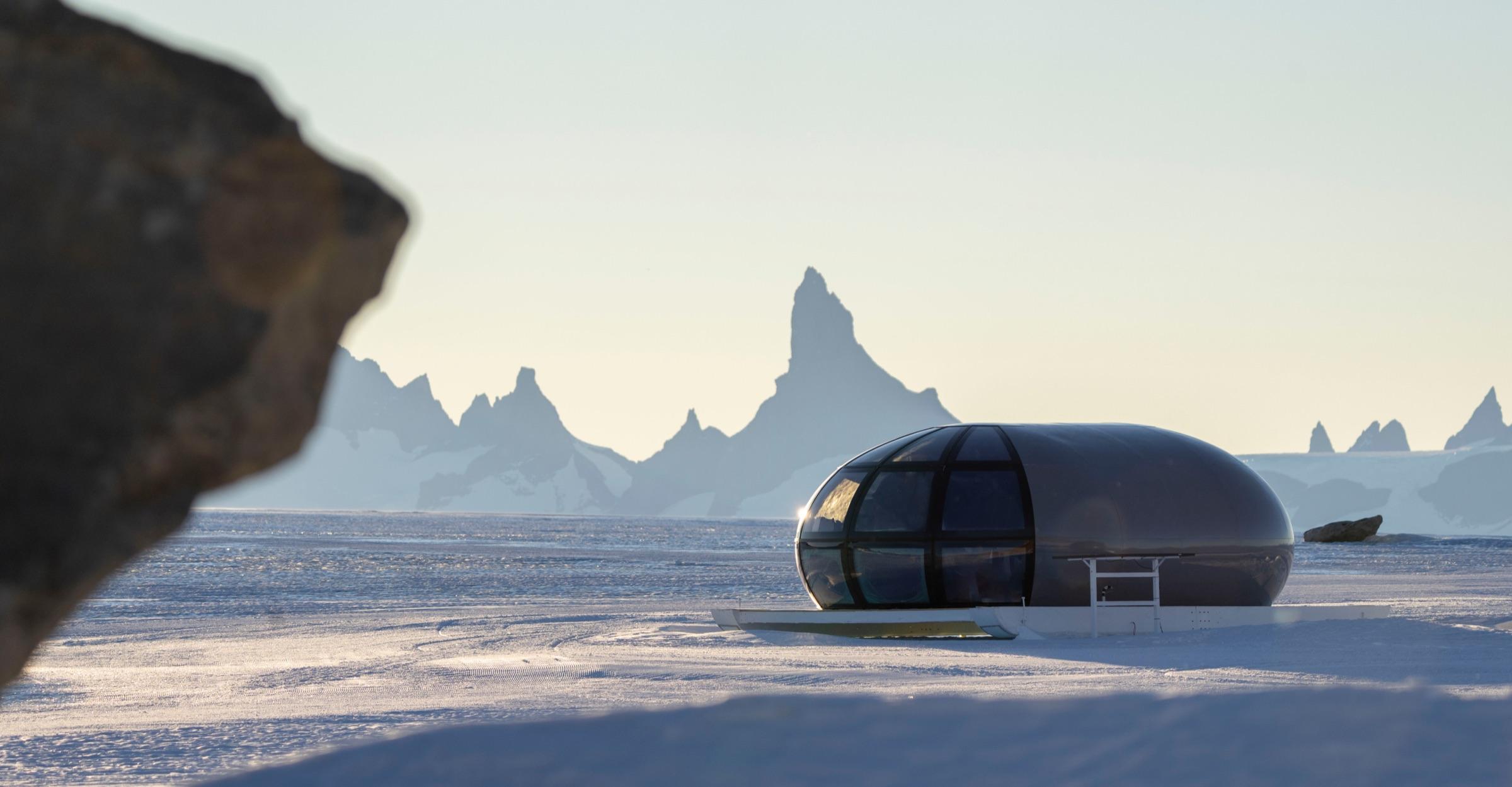
Eight days in Antarctica across two ultra luxury camps, reached by chartered Airbus from Cape Town and split between two extraordinary camps on the ice. Whichaway sits among exposed rock, freshwater lakes and glacier; Echo Base rests beneath Wolf's Fang Mountain, with heated pods, hot showers, fine dining, saunas, wellness domes and a full-time physical therapist at camp. The journey includes the Blue Rivers, the South Pole, an overnight at Dixie's Camp on the High Polar Plateau, guided ice adventures, the Ice Bar and time to experience Antarctica with unusual depth.
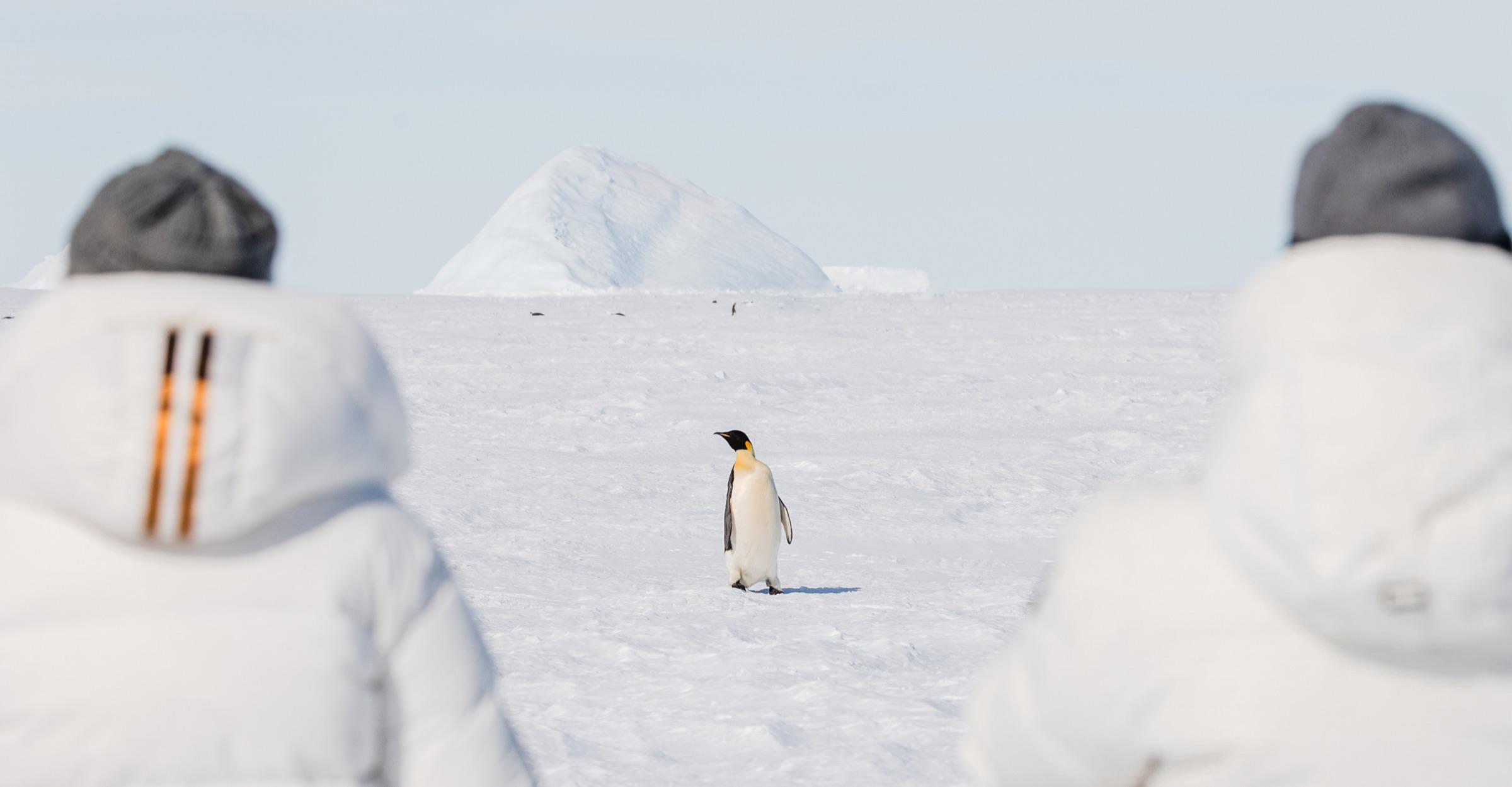
South Pole & Emperor Penguins
Six nights at Whichaway Camp, reached by a chartered Airbus from Cape Town to the Antarctic interior. The journey brings together two encounters almost no traveller will ever experience: the South Pole, visited by fewer than 500 people a year, and an Emperor penguin colony gathered on the sea ice. Between them are private polar pods with hot showers, fine dining, a sauna, Polar plunge, daily treatment with a full-time physical therapist, glacier exploration and an overnight at Dixie's Camp on the High Polar Plateau.
Experiences Crafted by Zameera
A series of original experiences, conceived and curated entirely by Zameera. Coming soon.
Zameera Collection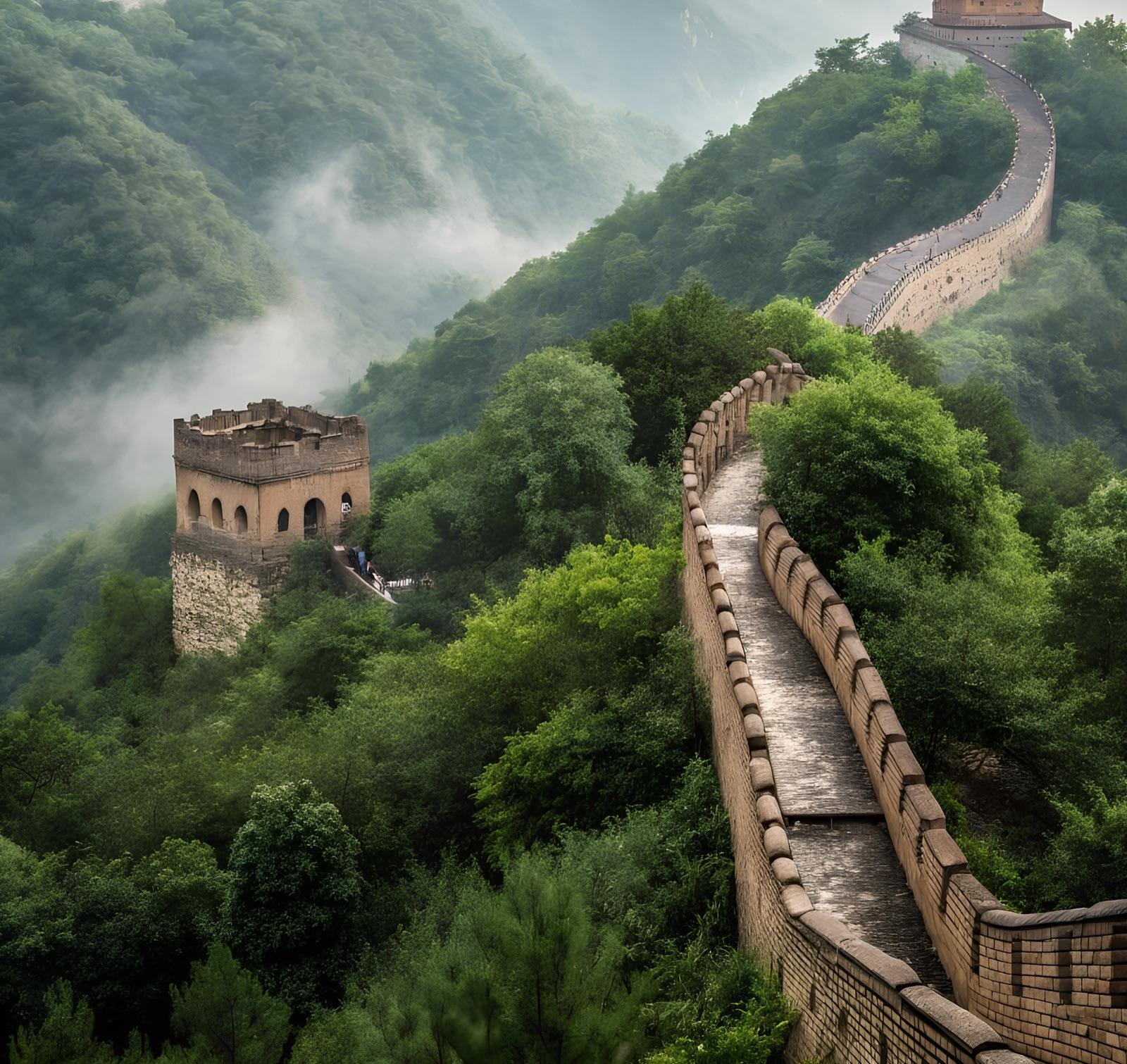
What to Know About Antarctica
Antarctica has no government, no permanent population and no official language; English is the working language across the international research and expedition community, and the camps are British-run. There is no local currency and nothing to purchase on the ice, as everything is included once you arrive. Any incidental spending happens in Cape Town, where the South African rand is used and major cards are widely accepted; carrying some US dollars is sensible. Your Zameera team settles all expedition costs in advance.
Antarctica spans every line of longitude, so it keeps no single time of its own. The interior fly-in camps in Queen Maud Land run on Cape Town time (UTC +2) for the duration of your stay, which keeps your journey seamless from departure. South Africa does not observe daylight saving, so the time holds steady throughout the season. Under the constant summer daylight, the clock matters far less than it does at home.
The interior camps operate only during the austral summer, from November to January, when conditions allow the chartered jet to land and temperatures are at their most forgiving. This brief window brings near-continuous daylight and the most settled weather of the year. November carries a crisp, pristine quality, while December and January offer the longest days and the gentlest conditions. Your Zameera team will advise on the dates best suited to what you most wish to see.
No country owns Antarctica and there is no visa for the continent itself; under the Antarctic Treaty, access is governed by permits that your operator arranges on your behalf. A full passport with ample validity and blank pages is essential. Because every journey routes through Cape Town, the entry rules that apply are South Africa's, and these vary by nationality, so requirements differ from one traveller to the next. Your Zameera team will confirm what your party needs well in advance.
There are no scheduled flights and no commercial airports in Antarctica. Travellers reach the interior camps by privately chartered jet from Cape Town International, a flight of around five hours to a blue-ice runway in Queen Maud Land. The expedition team accompanies guests throughout, and onward movement between camps and sights is by ski-equipped aircraft and ground vehicles. Your Zameera team will arrange every stage, including the Cape Town stay that bookends the journey.
Dress is entirely practical, built around insulated layers, a windproof outer shell, sturdy boots, gloves and eye protection against the glare off the ice. Specialist polar outerwear is provided by the camps, so there is no need to acquire technical clothing for a single trip. Within the heated pods the atmosphere is relaxed and comfortable, calling for nothing formal. Your Zameera team will share a precise packing brief ahead of departure.
Antarctic weather is the one element no operator can schedule, and it takes precedence over any itinerary. Flights and excursions move with the conditions, and a departure may shift by hours or days while the team waits for a safe window. A measure of flexibility in your wider travel plans, and a night or two held in Cape Town, is wise. This patience is part of the experience rather than an inconvenience.
The camps are run by experienced polar teams to exacting safety standards, with trained guides accompanying every activity and a doctor present throughout the season. The continent is profoundly remote, so comprehensive travel insurance covering medical evacuation is a firm condition of travel. Guests should be in good general health and able to manage cold, altitude and uneven terrain; any medical considerations are best raised early. Your Zameera team will guide you through the health and insurance requirements before you set out.
Antarctica, Through Our Eyes
For those who want to understand the destination before they arrive.
The Journal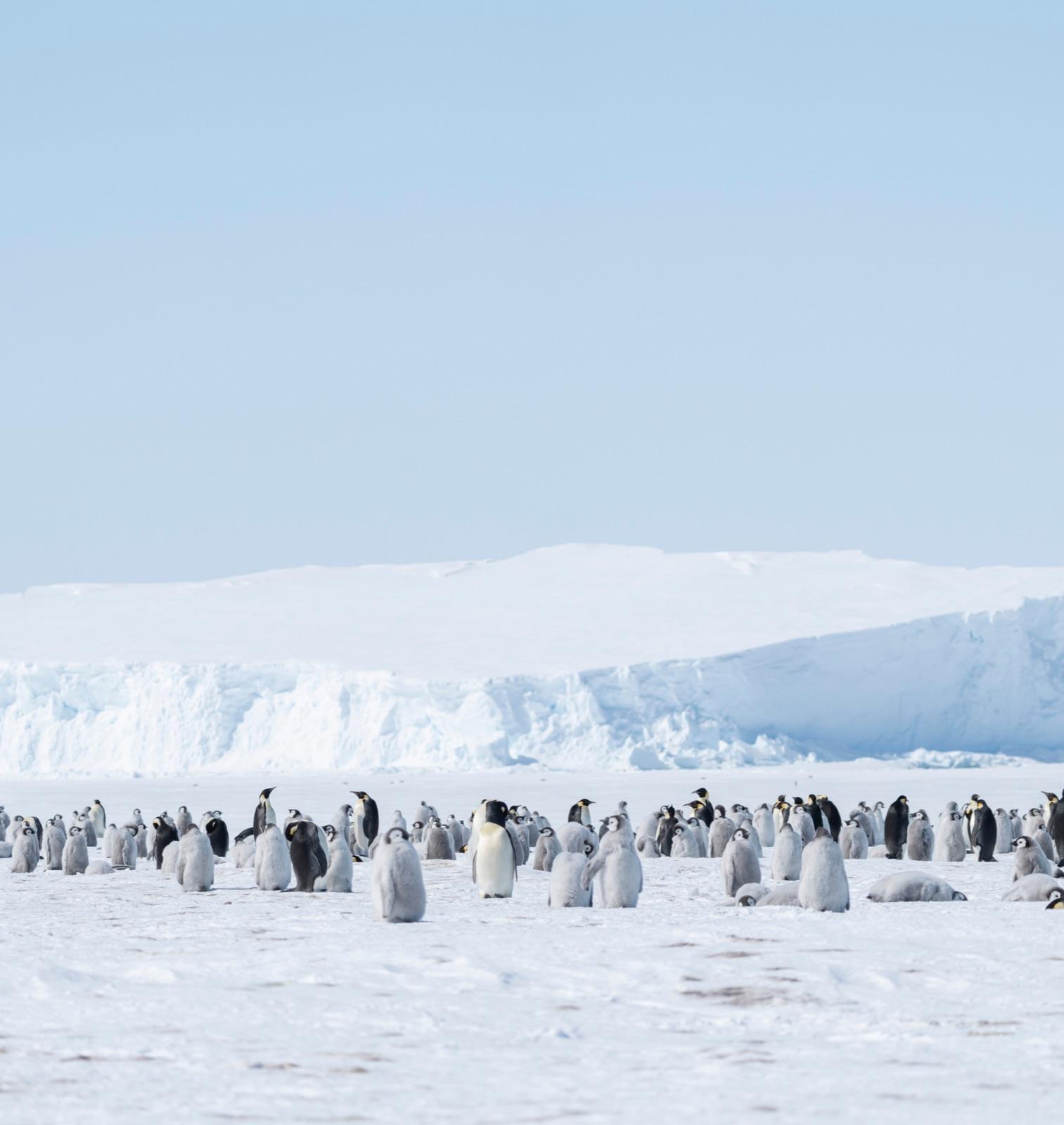
The Last Place on Earth That Still Belongs to Itself
Antarctica has no government, no permanent population and no economy. It belongs to no country and to everyone equally. We went to understand what it actually feels like to stand somewhere that the modern world has not yet claimed.
What It Feels Like to Wake Up Surrounded by Icebergs
There is a moment on the first morning in Antarctic waters when you open the cabin door and the scale of what is around you takes a few seconds to process. Ice in every direction, silence where you expected wind, and the particular realisation that you are somewhere very few people have ever been.