
Where the Indian Ocean offers a thousand islands and the finest reef system on earth
The Maldives sits in the Indian Ocean, 700 kilometres southwest of Sri Lanka, spread across an area larger than most people imagine. Twenty-six natural atolls. Around 1,200 islands. A handful of them developed into some of the finest resorts on earth. The rest as they have always been, low, quiet, surrounded by water that changes colour with the light and a reef system that remains among the most intact in the world.
Discover experiences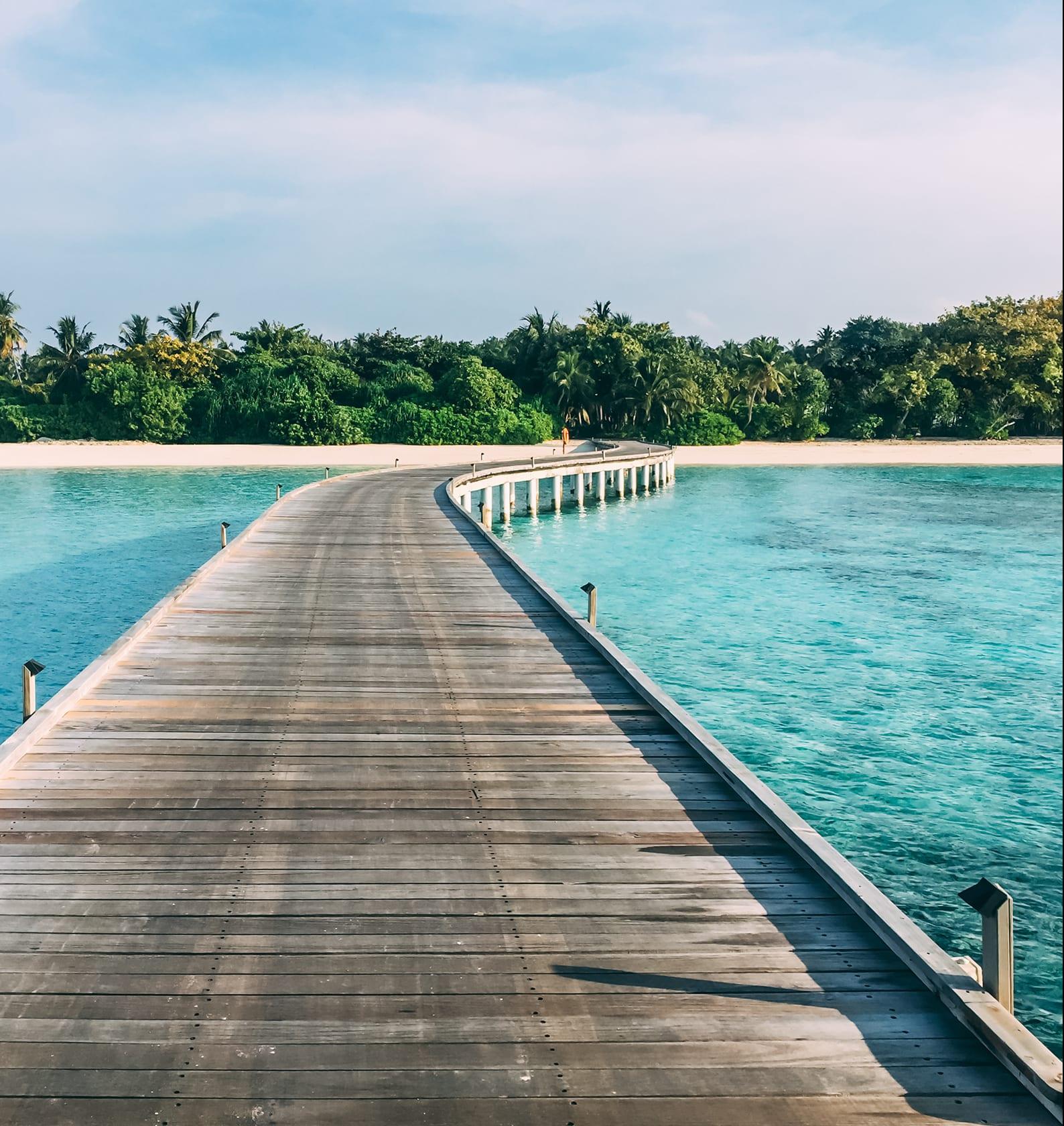
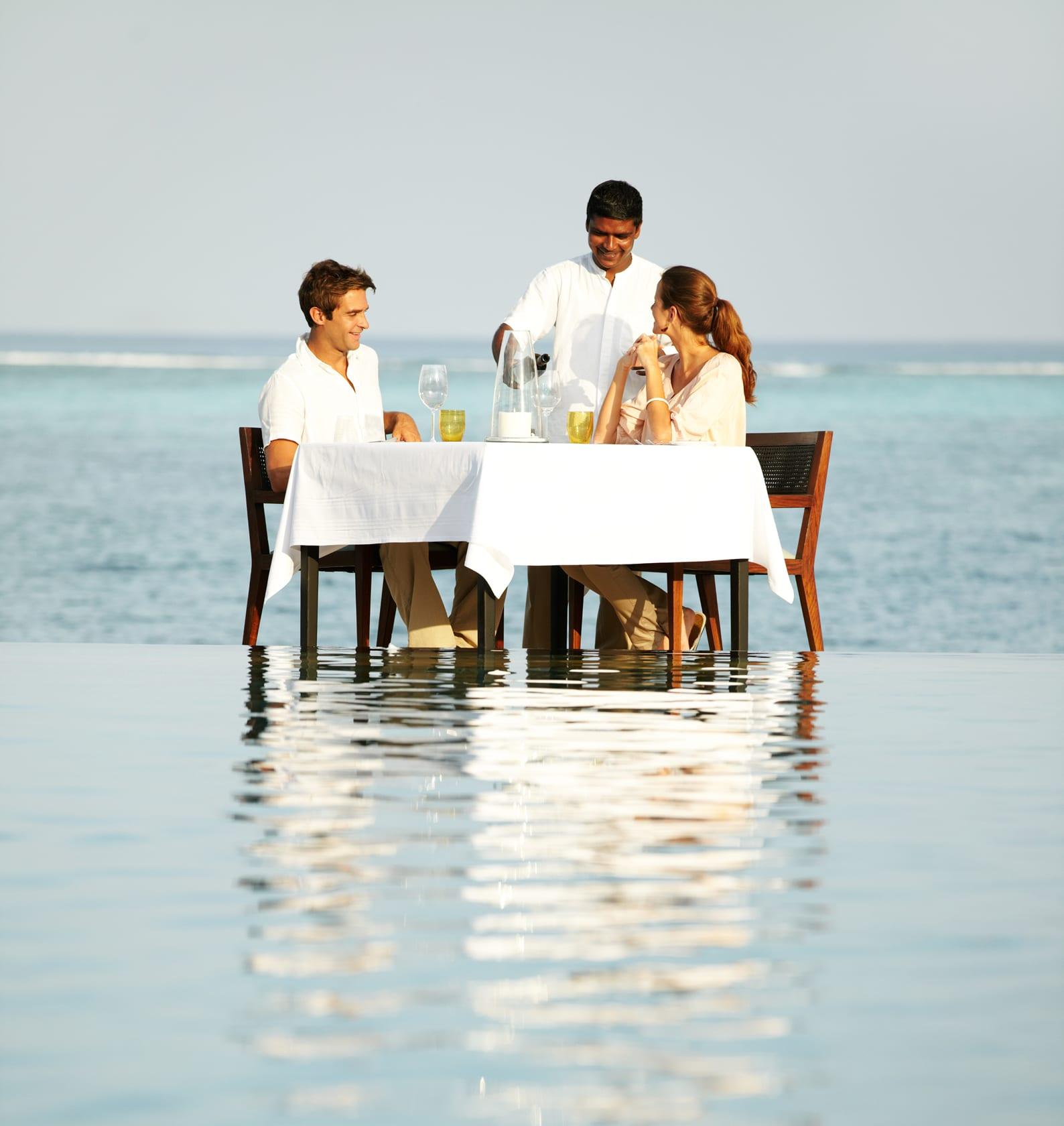
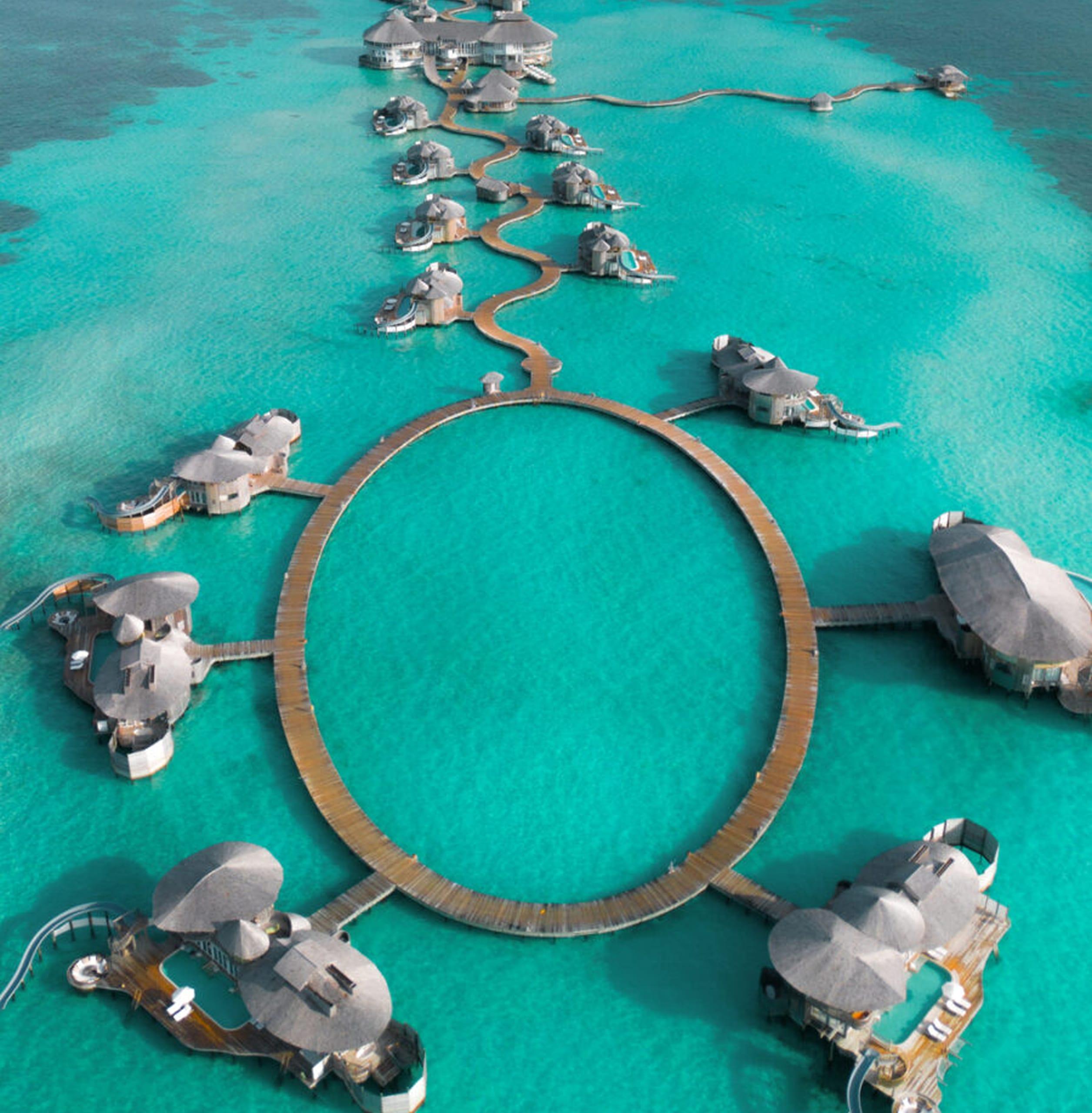
Where Land Ends and Everything Else Begins
There is a version of the Maldives that most people never find. Not because it is hidden, but because finding it requires knowing which atoll, which island, and which hour of the day the light does what it does to the water. The Maldives is not one place. It is a thousand islands spread across 90,000 square kilometres of the Indian Ocean, each one surrounded by a lagoon of a colour that exists nowhere else on earth and a reef system that remains among the most intact in the world.
The water here is the reason everything else exists. Clarity that reaches thirty metres below the surface. Manta rays moving through it with the particular unhurried grace of creatures that have never needed to be anywhere quickly. Whale sharks passing beneath the hull of a vessel in water shallow enough to see them from the deck. The coral has been here for longer than the resorts, longer than the islands in some cases, and in the atolls far enough from the main population centres it shows — alive, dense and completely undisturbed.
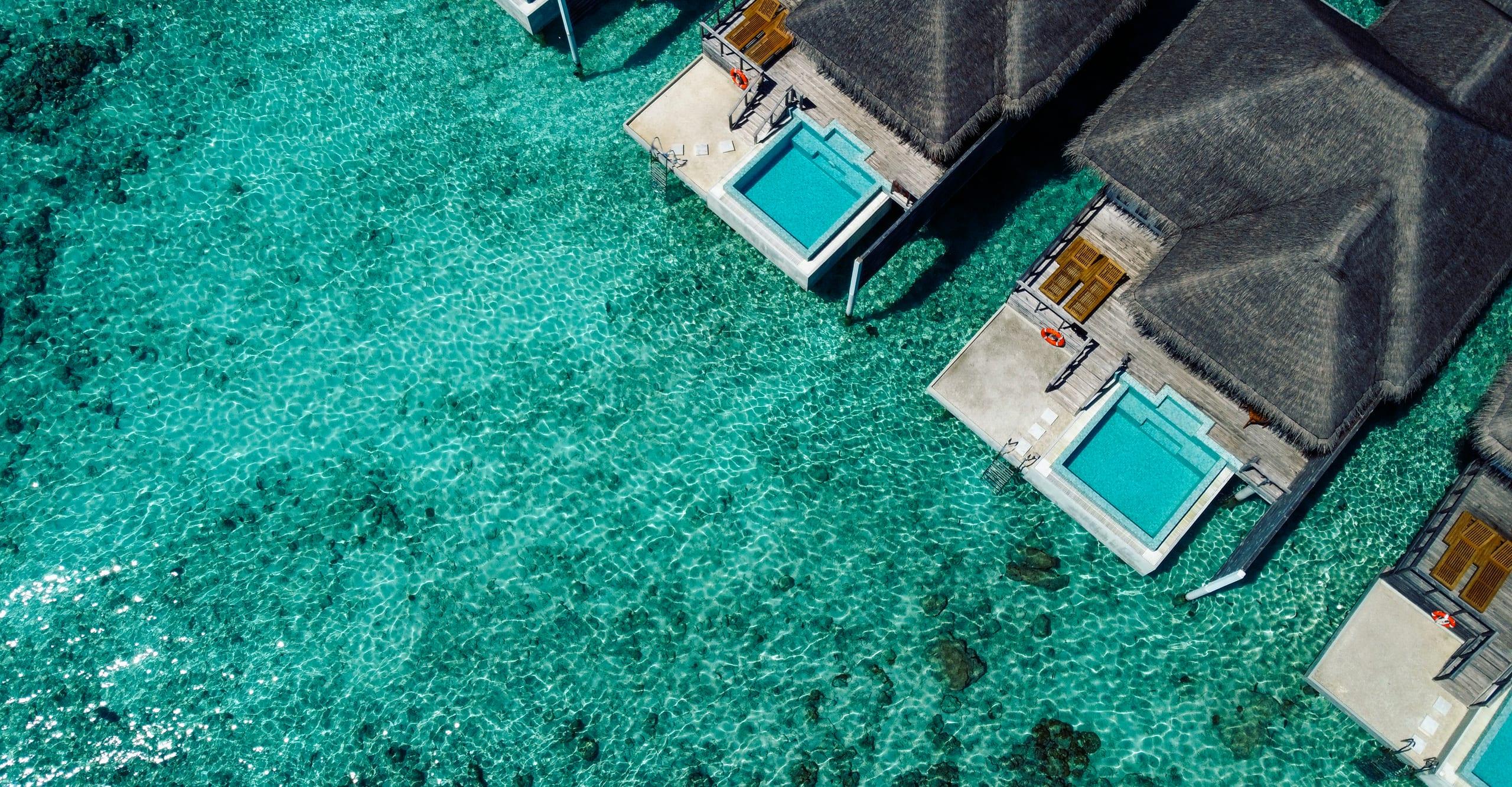
The finest properties in the Maldives understood early that the only thing worth building here was something that made the water more accessible, not less. Overwater villas with direct sea access. Glass floors above the reef. Retractable roofs that open the bedroom to the night sky. The architecture exists to frame the environment rather than compete with it. In the best of them, it disappears entirely.
Extraordinary Experiences Available on Request
Some of the most remarkable experiences we offer cannot be booked instantly, by their nature, they require a private conversation.
Discover experiences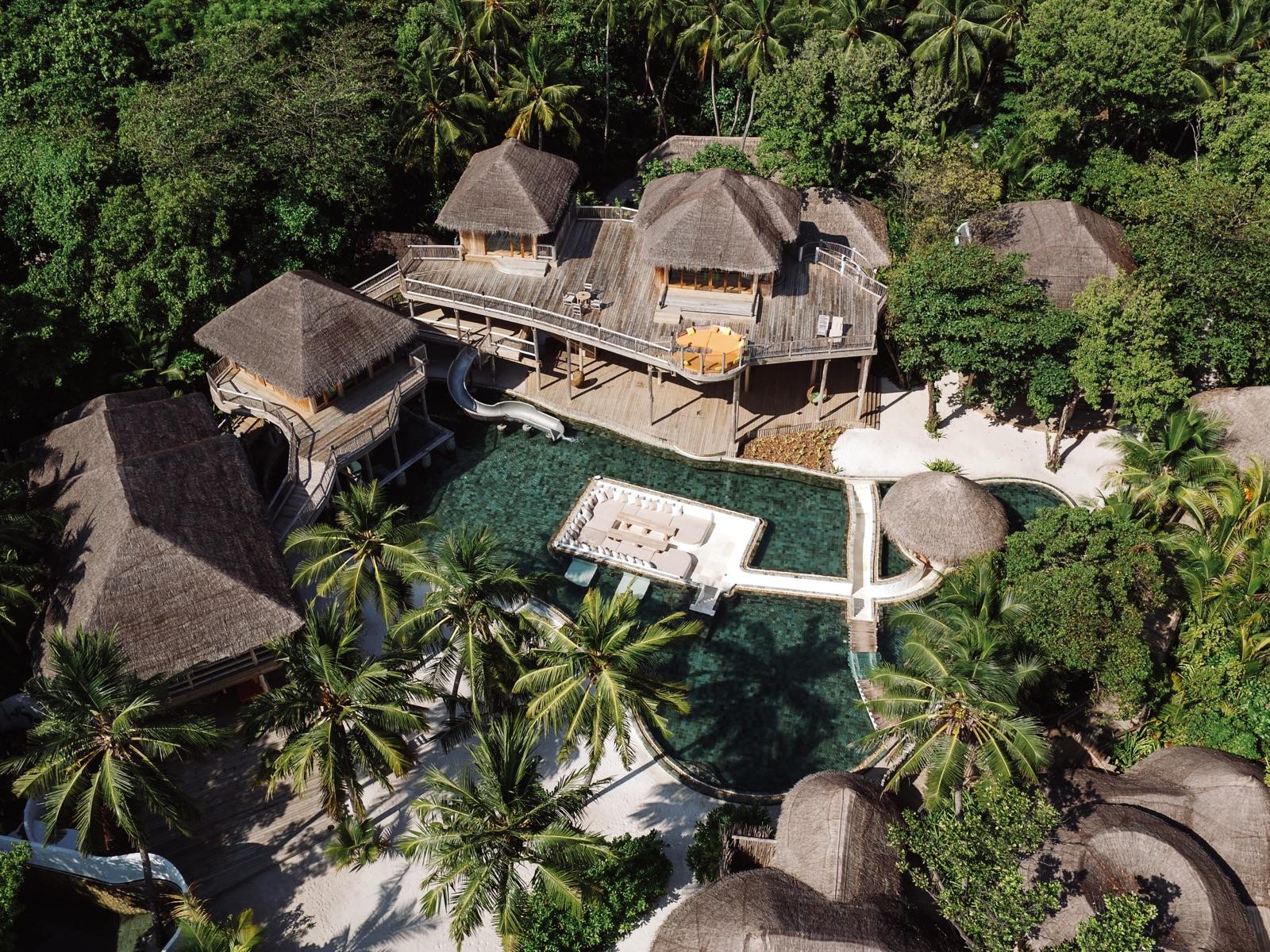
The Island Estate
Fourteen nights in The Private Reserve, Soneva Fushi's nine-bedroom desert island mansion for up to 16 — private spa, gym, cellar, lagoon-style pool and seventy metres of beach, with the whole island beyond.
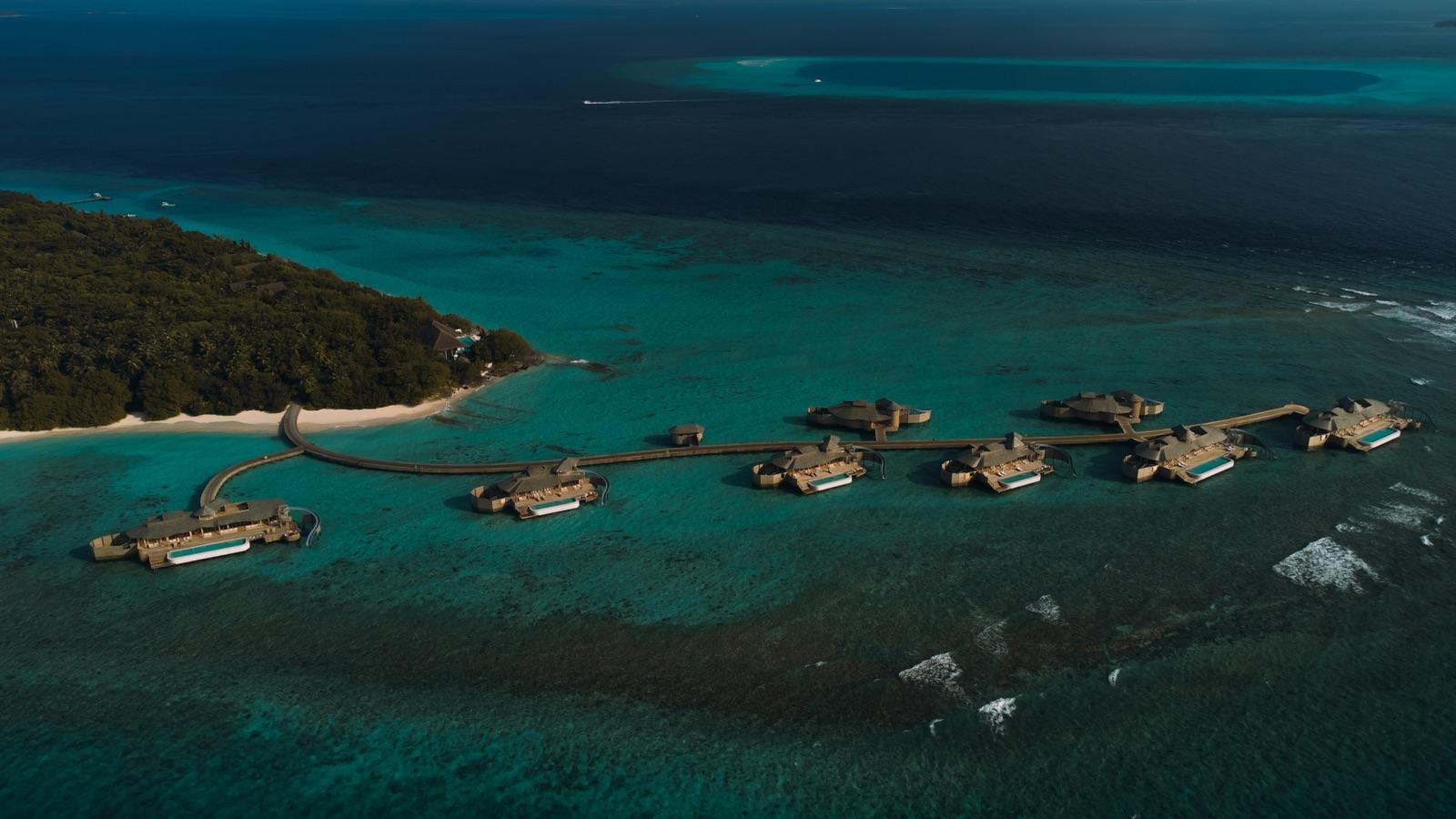
Where the World Falls Away
Ten all inclusive nights for two at Soneva Fushi, based in a 1 Bedroom Villa Suite with Pool — jungle privacy, Soneva Soul, a night aboard Soneva in Aqua, Hanifaru Bay and a private sandbank under the stars.
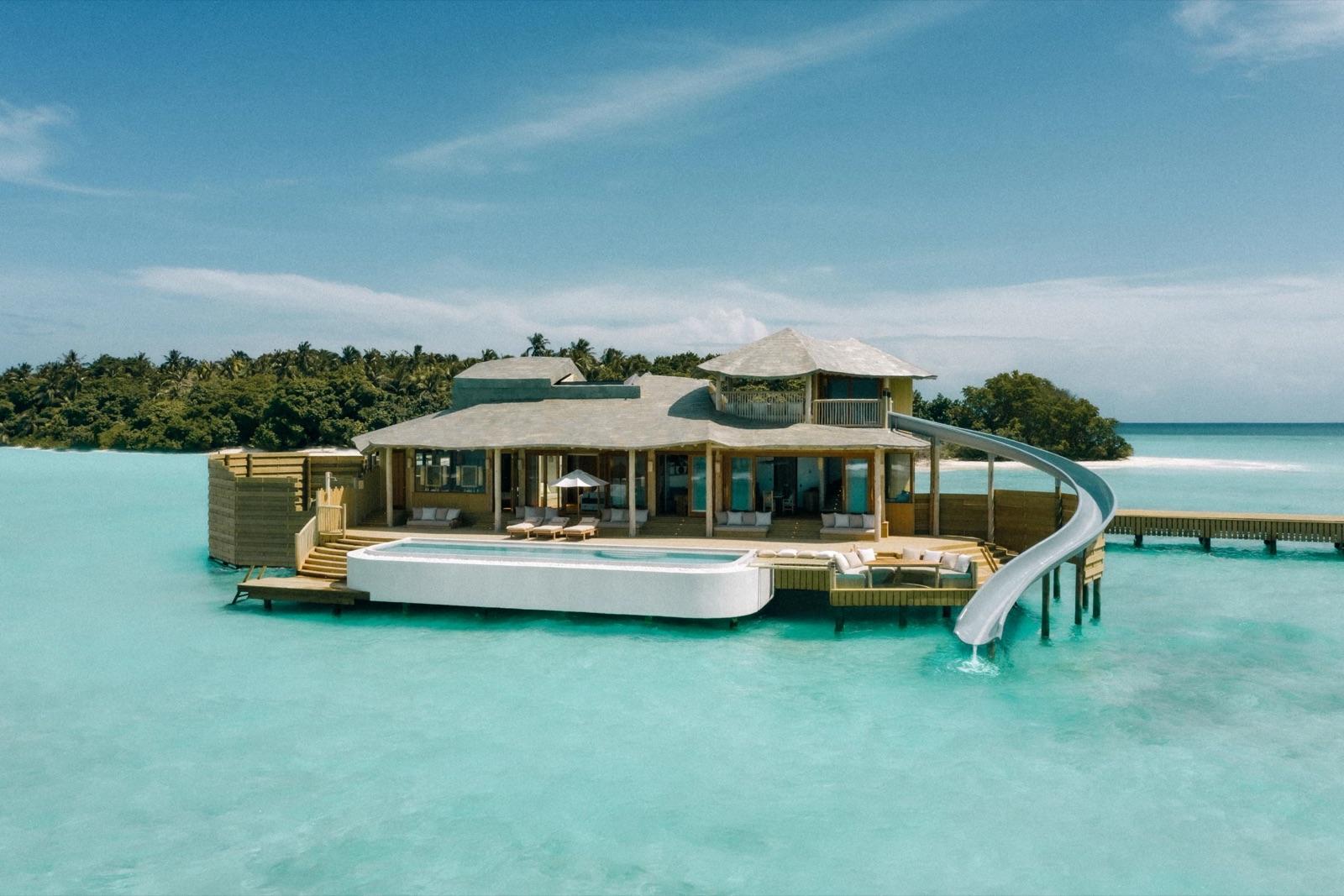
The Solo Barefoot Chapter
Seven all-inclusive nights at Soneva Fushi curated for one guest — a Water Reserve villa above the lagoon, Hanifaru Bay and outer atoll diving, Soneva Soul wellness and the island's signature dining.
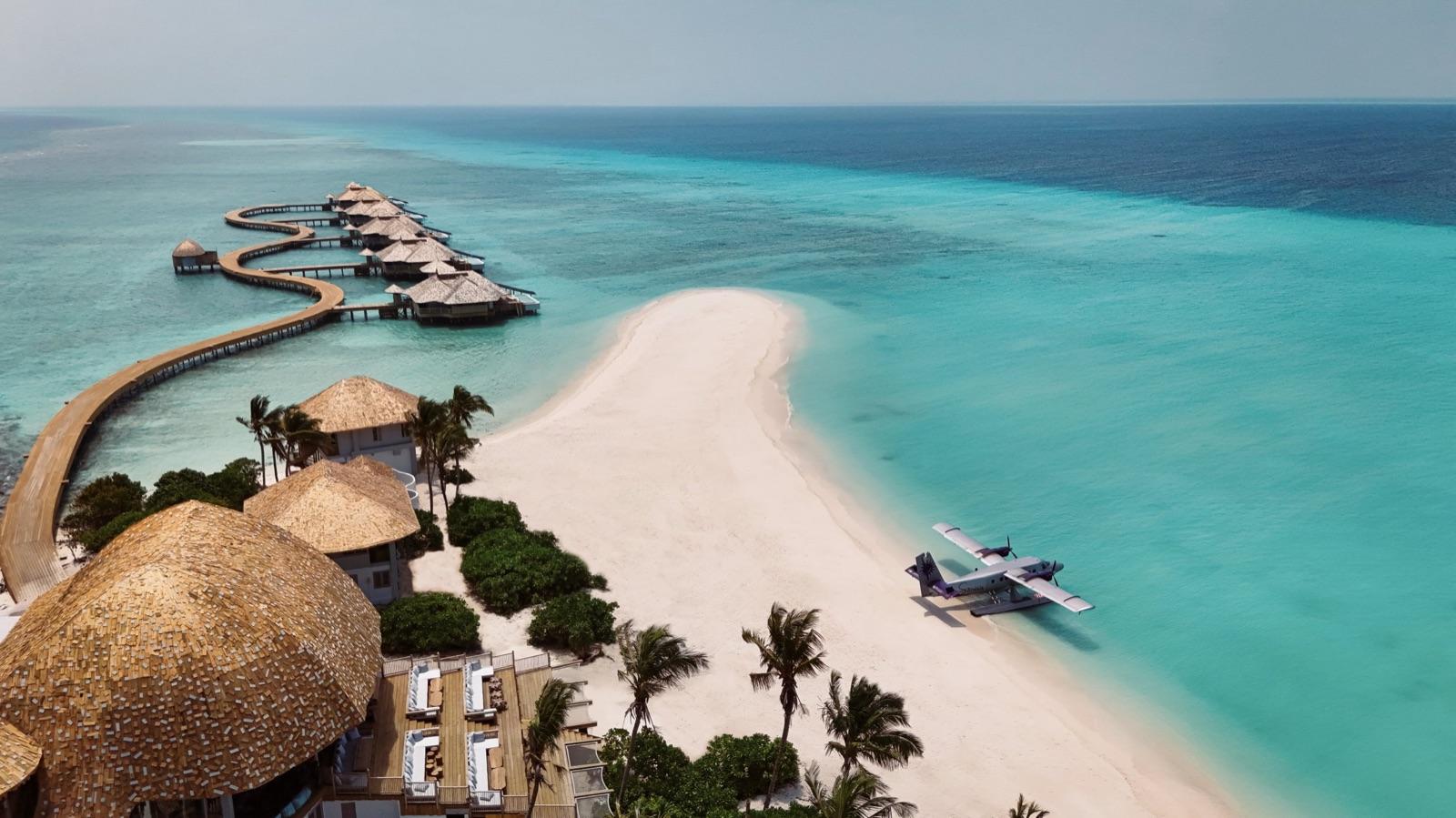
The Island Reserved for One Story
A complete private takeover of Soneva Secret, where the entire island belongs only to you. Thirteen expansive villas on Dhipparufushi in the remote Makunudhoo Atoll, each with its own dedicated team. Created for one family, one celebration, or one extraordinary gathering.
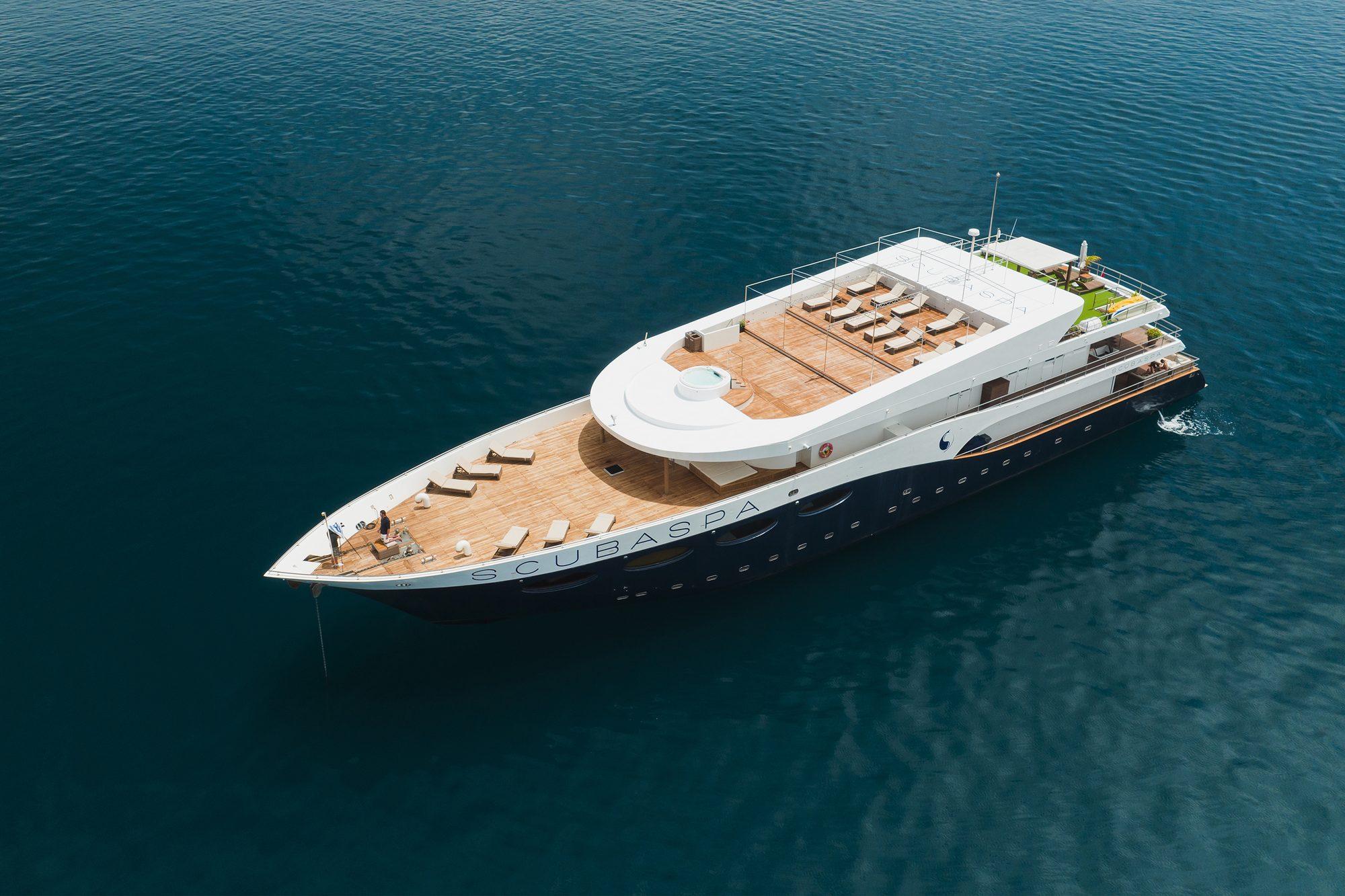
A Private World at Sea
A private Scubaspa charter through the central atolls of the Maldives, across seven nights. Days descend into the life of the reef, then return to stillness. Spa rituals, yoga, sandbanks and the slow rhythm of open water.
Experiences Crafted by Zameera
A series of original experiences, conceived and curated entirely by Zameera. Coming soon.
Zameera Collection
What to Know About the Maldives
Dhivehi is the official language. English is spoken universally across all resorts and tourist facilities throughout the country.
Maldives Time, UTC +5. No daylight saving.
Maldivian Rufiyaa (MVR). All resort transactions are conducted in US dollars. Major international cards are accepted everywhere. Cash is rarely necessary.
November to April. The dry season brings calm seas, clear skies and the finest visibility for diving and snorkelling. The shoulder months of May and October offer lower occupancy and occasionally exceptional conditions. The wet season from May to October brings stronger winds and some rain.
Velana International Airport in Malé is the main gateway to the Maldives. Onward transfer to the resort is by seaplane or speedboat depending on the atoll. Seaplane transfers operate during daylight hours only and are one of the most spectacular ways to arrive anywhere in the world.
Resort islands operate with a relaxed dress code. When visiting local inhabited islands, modest dress covering shoulders and knees is expected and appreciated.
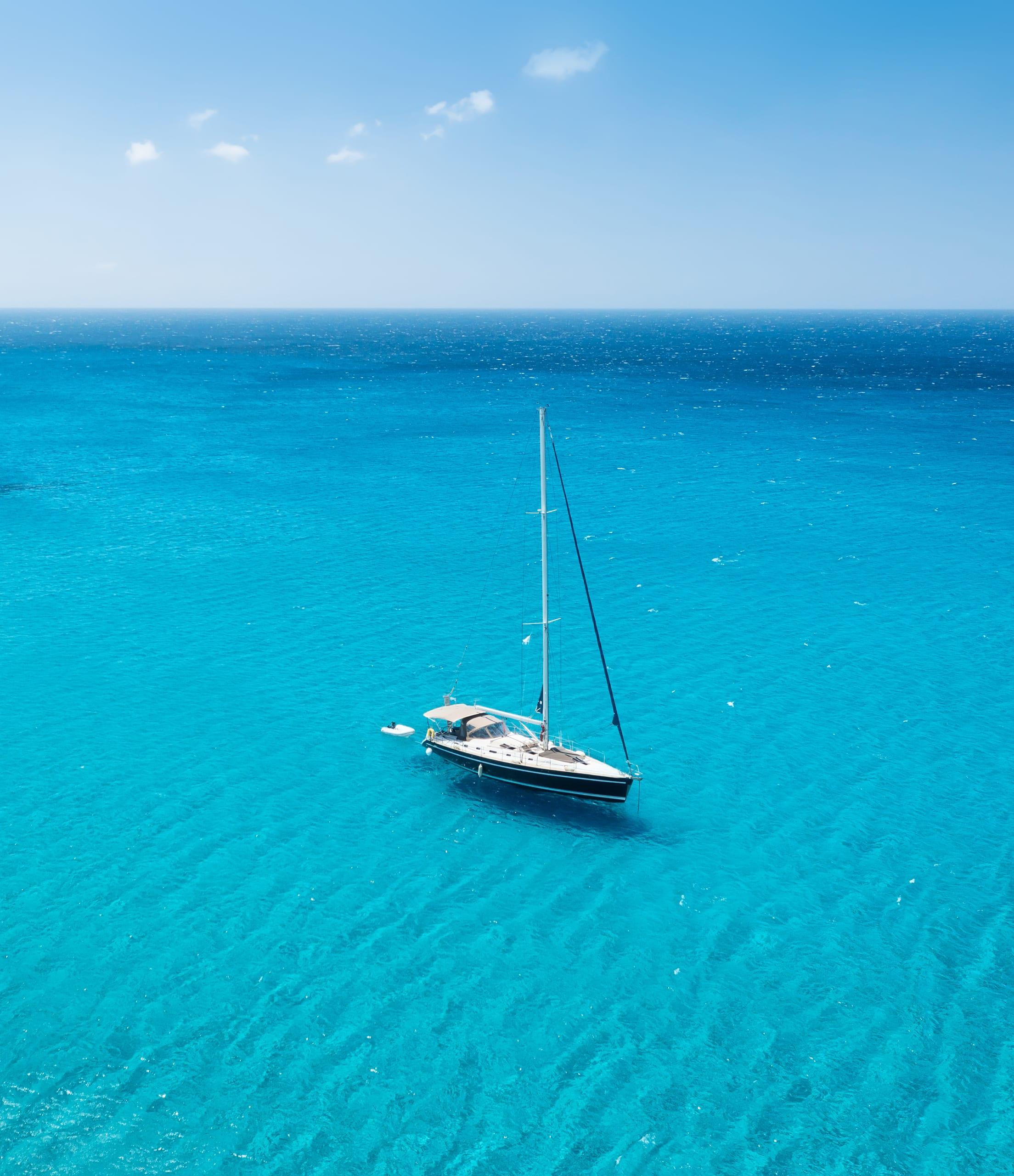
The Maldives, Through Our Eyes
For those who want to understand the destination before they arrive.
The Journal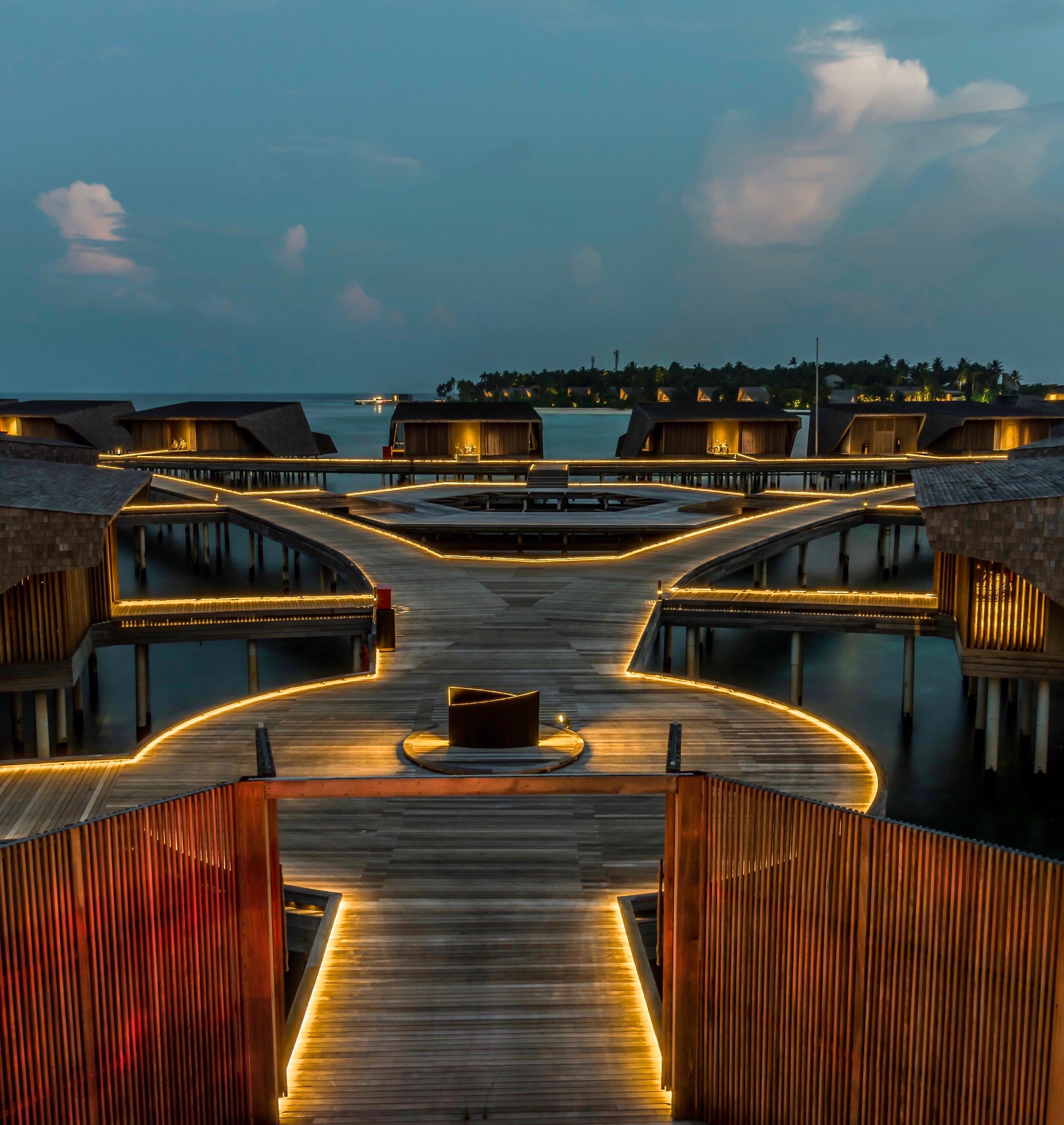
The Maldives That Most People Never Find
Most visitors to the Maldives stay on one island, see one lagoon, and leave having experienced one version of a country that has an enormous number of versions. We went further into the atolls to find the ones worth the extra hour on the seaplane. This is what we found.
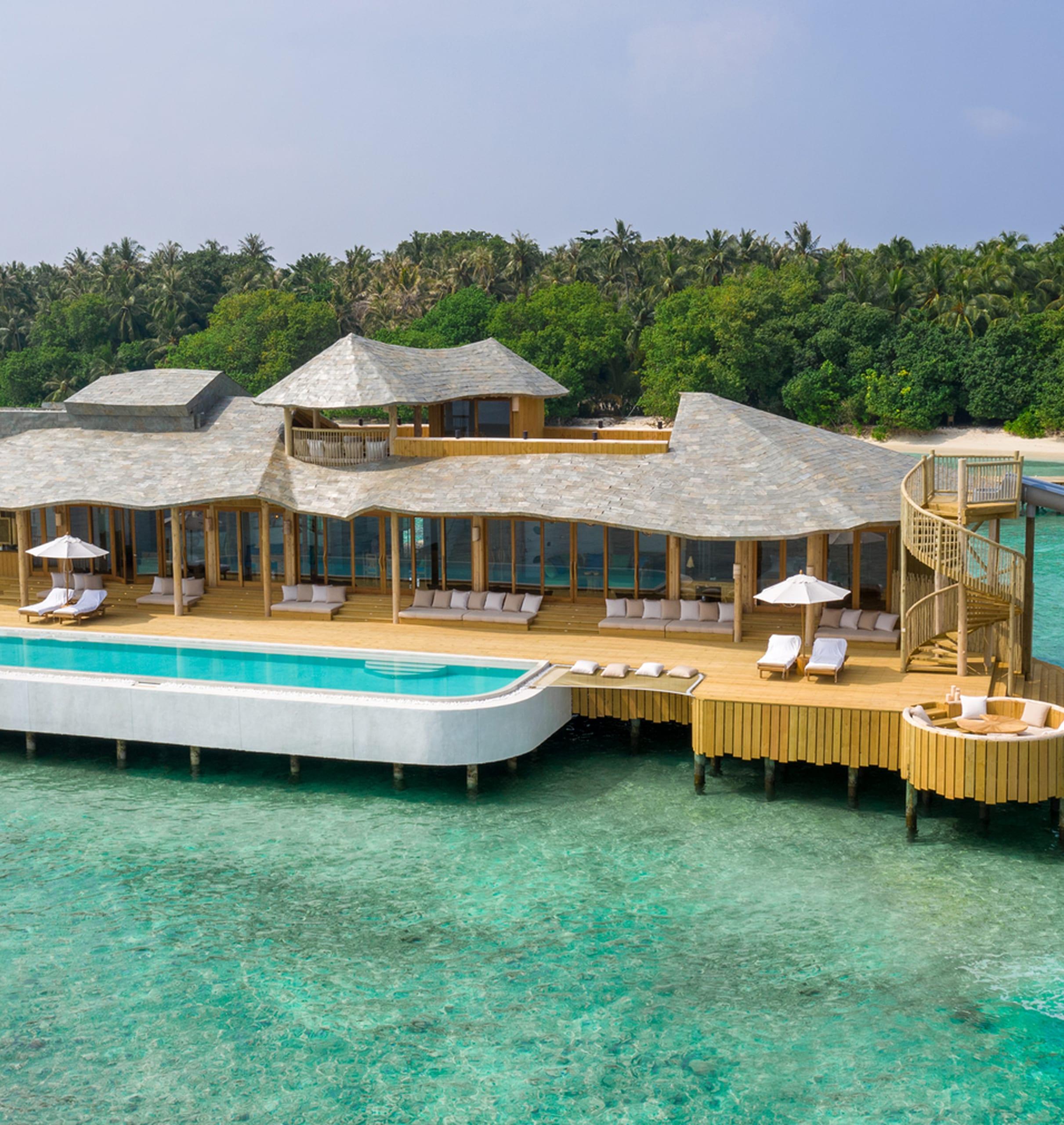
What It Feels Like to Wake Up Above the Ocean
The overwater villa has become one of the most photographed things in luxury travel. What the photographs do not show is what it actually feels like at six in the morning, when the lagoon is still and the light is doing something to the water that no filter has ever replicated. We stayed in three. This is the honest account.