
The Arctic, as remote and as extraordinary as the world gets
The Arctic is not a country or a single destination. It is a region, vast, seasonal and governed by conditions that exist nowhere else on earth. Above the Arctic Circle, the sun disappears for months in winter and never sets in summer. The sea ice expands and contracts with the seasons across an area larger than the United States. What it offers those who reach it is a quality of silence, scale and natural spectacle that has no equivalent anywhere else on the planet.
Discover experiences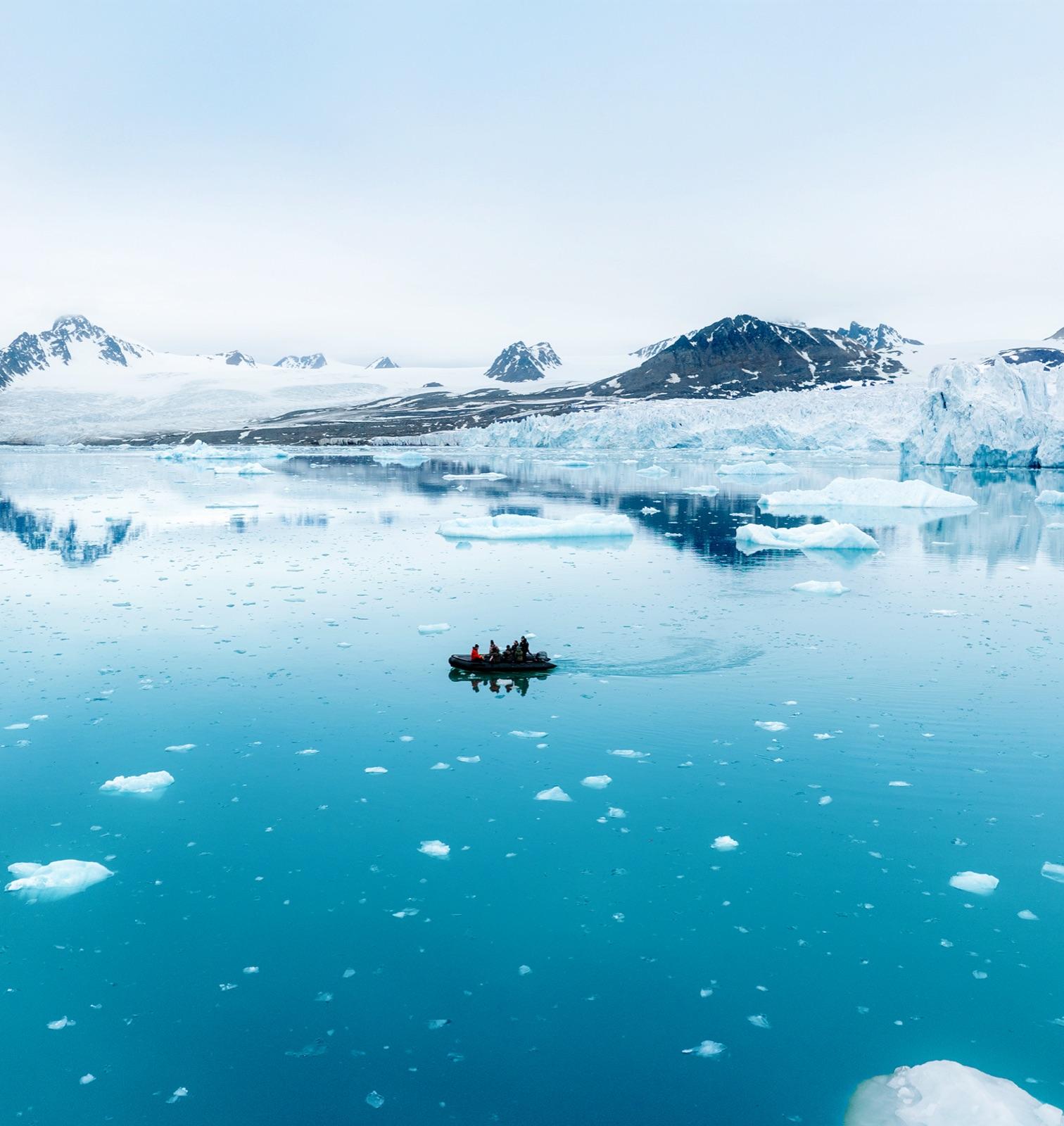
The Wilderness at the Top of the World
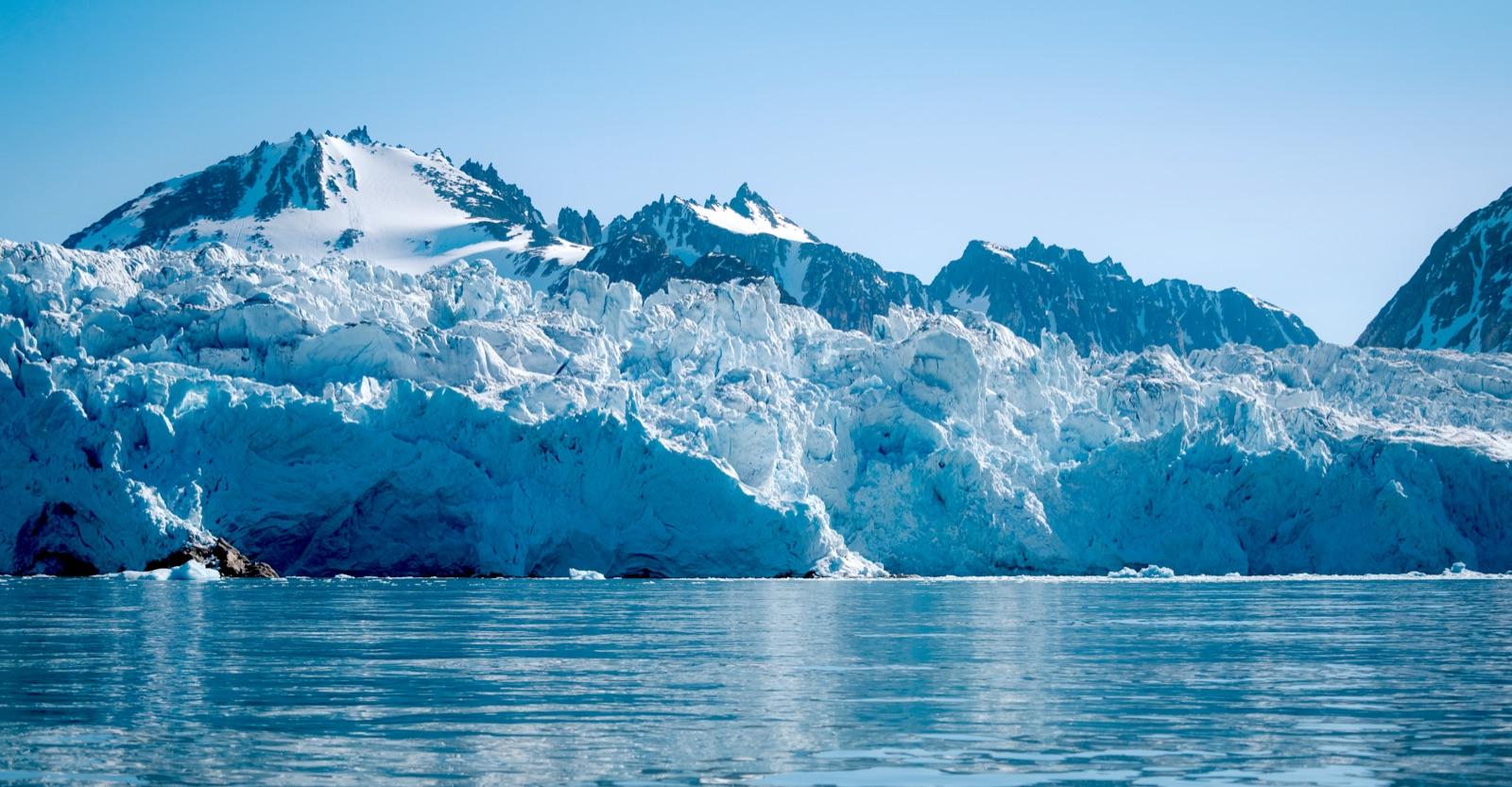
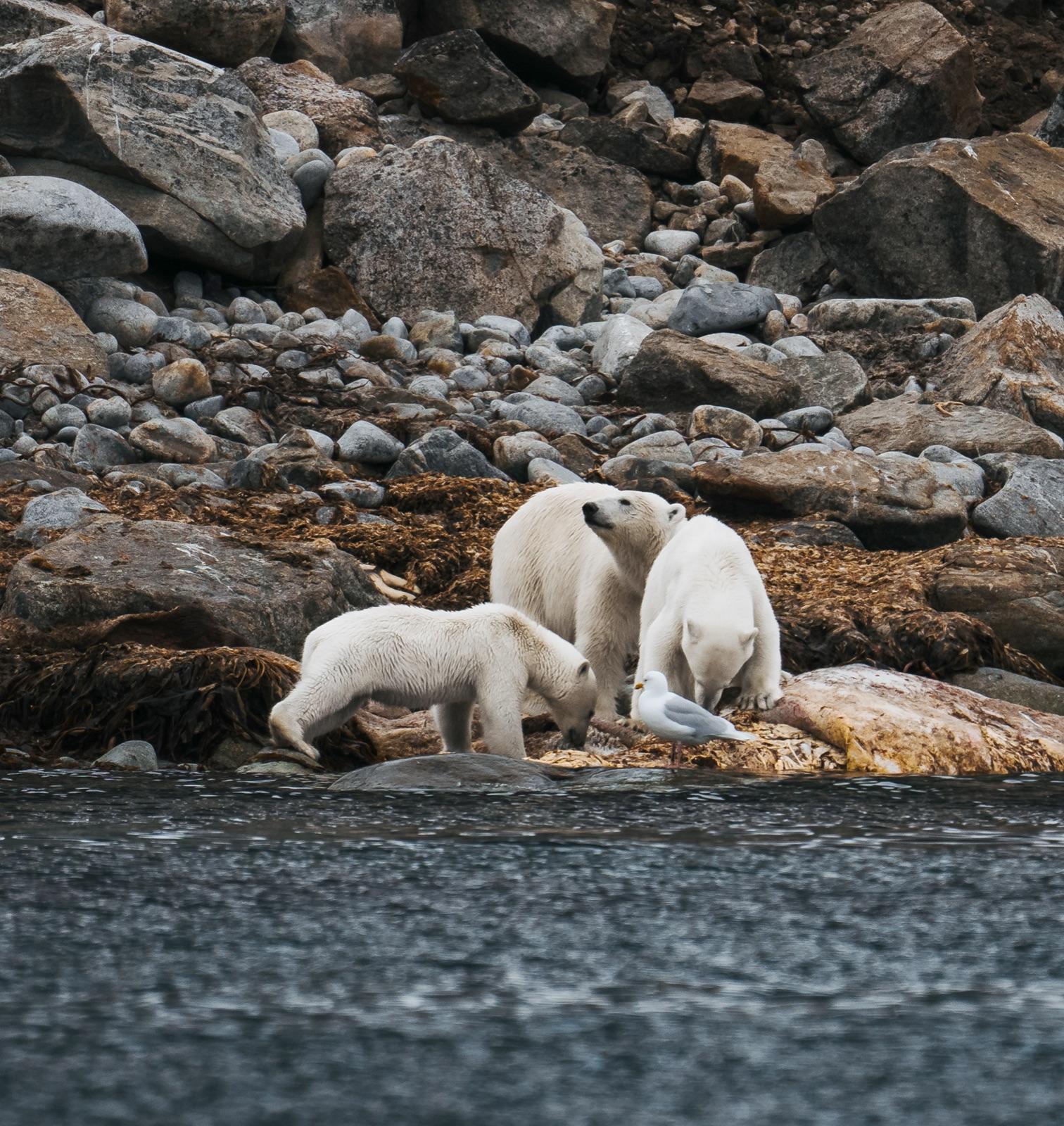
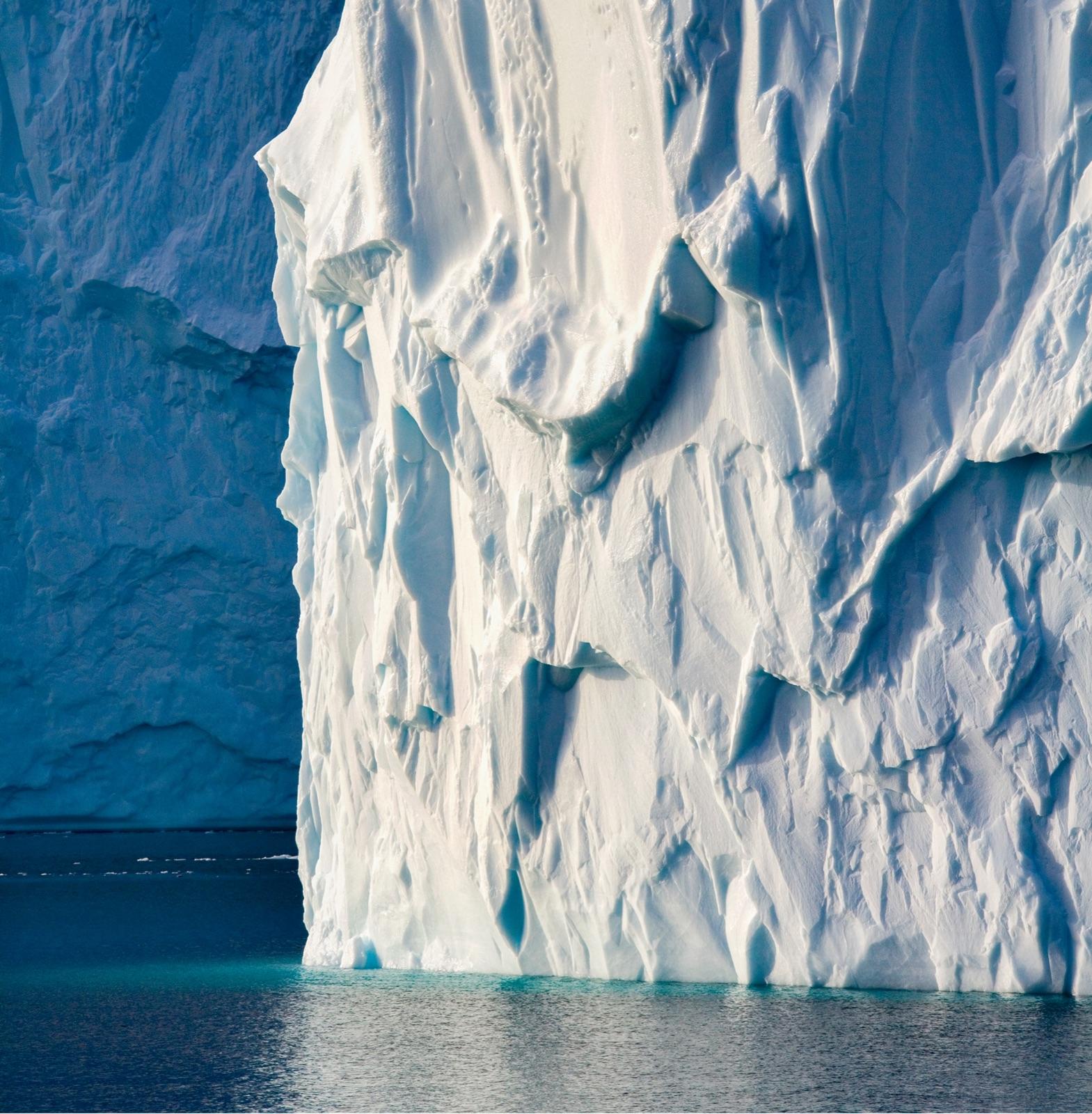
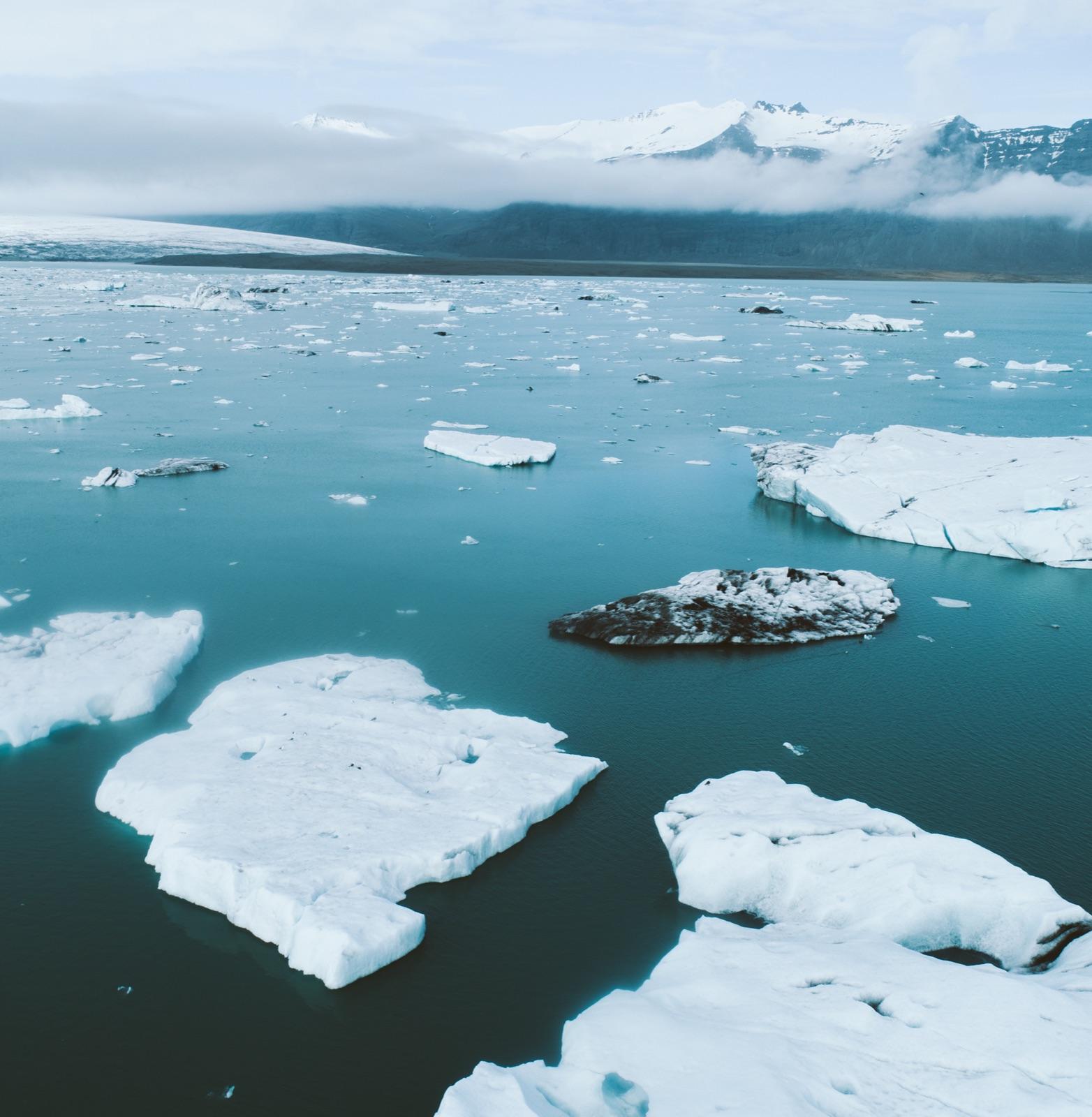
The Arctic spans eight countries and covers approximately 14.5 million square kilometres of ocean, ice and tundra. It is home to polar bears, Arctic foxes, walrus, beluga whales, narwhals and the largest population of migratory birds on earth. In winter the Northern Lights move across the sky in ways that no camera has ever accurately captured. In summer the midnight sun turns the landscape gold for weeks at a time and the sea ice retreats to reveal open water that expedition vessels have only recently been able to navigate.
The most extraordinary Arctic experiences are concentrated in a handful of locations, each one offering something the others do not. Svalbard, the Norwegian archipelago at 78 degrees north, is one of the most accessible points of the High Arctic and one of the finest places on earth to see polar bears in genuinely wild conditions. The Faroe Islands sit in the North Atlantic between Iceland and Norway, where dramatic sea cliffs, ancient Norse villages and a landscape of extraordinary atmospheric quality exist in a place that most travellers have never considered. Iceland anchors the southern edge of the Arctic region, where geothermal energy heats the ground beneath the snow and the landscape shifts between glaciers, lava fields and geysers within the space of a single day's drive. Northern Norway, above Tromsø, offers the finest aurora viewing in the world combined with a coastal landscape of fjords and fishing villages that has a beauty entirely its own.
Extraordinary Experiences Available on Request
Some of the most remarkable experiences we offer cannot be booked instantly, by their nature, they require a private conversation.
Discover experiences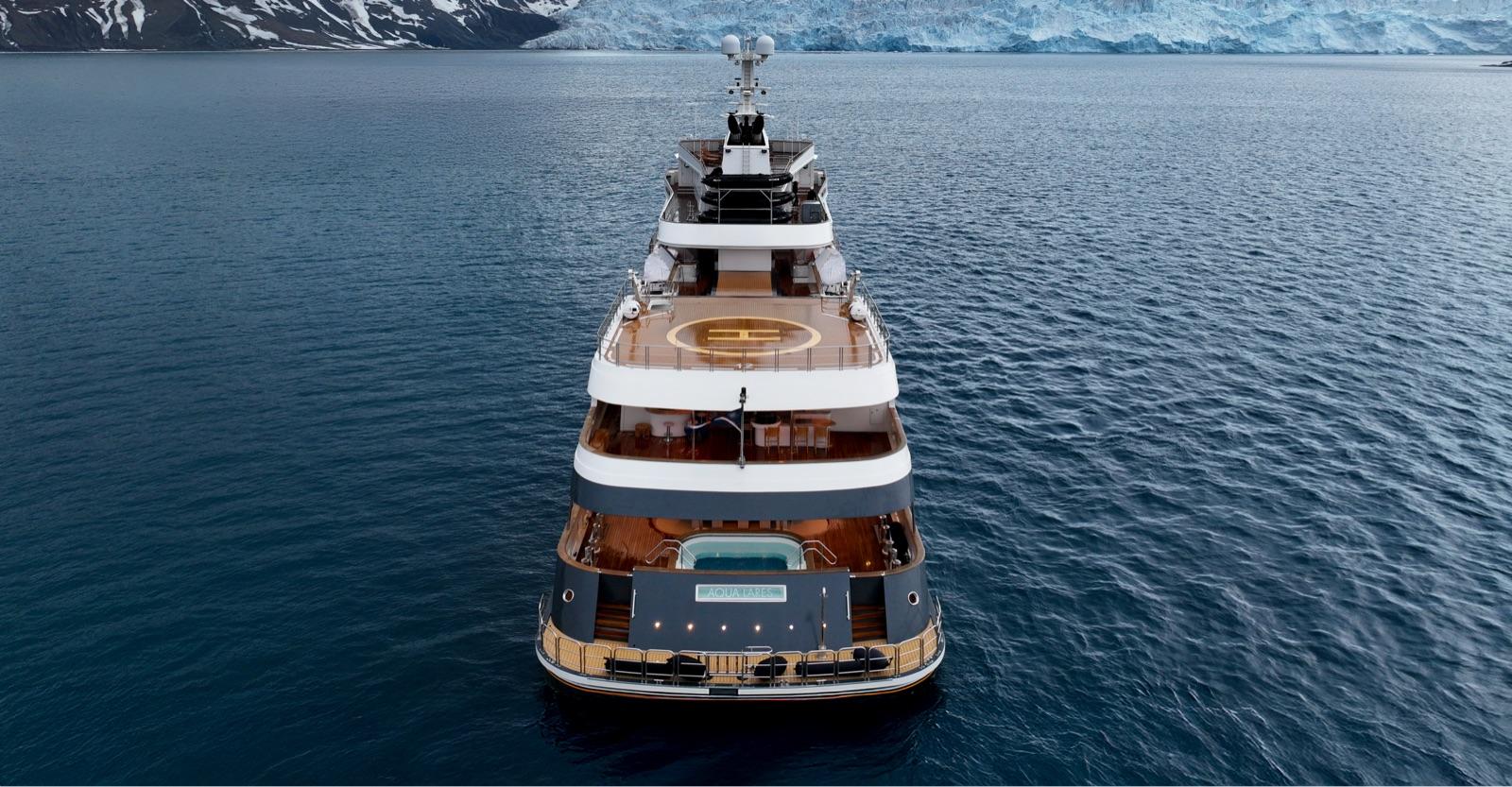
The Private Arctic
Seven nights aboard the 30-guest expedition yacht Aqua Lares, privately chartered through Svalbard - glacier fjords, pack ice, walrus shores, bird cliffs and midnight sun, with three Owner's Suites, a sauna and indoor and outdoor Jacuzzis on board.
From Isles to Ice
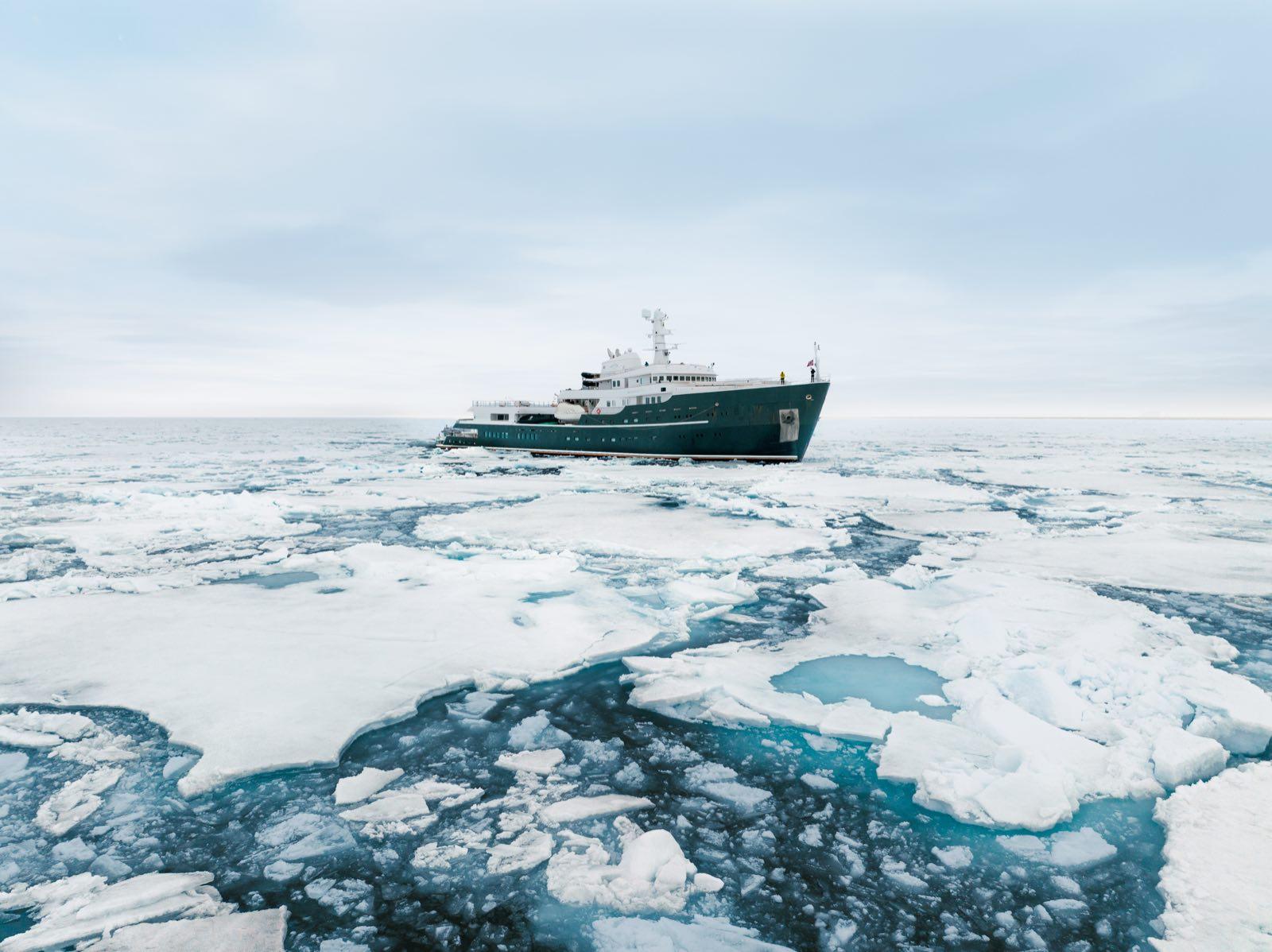
Fourteen nights aboard the 30-guest expedition yacht Aqua Lares in an Owner's Suite, sailing Glasgow to Svalbard — Scottish isles, Norway's fjords and the High Arctic, with guided landings, tender excursions and refined life on board.
Experiences Crafted by Zameera
A series of original experiences, conceived and curated entirely by Zameera. Coming soon.
Zameera Collection
What to Know About The Arctic
Across the High Arctic gateways the prevailing language is Norwegian, with English widely spoken throughout Svalbard and northern Norway and used on most expeditions; the wider region also takes in Icelandic, Faroese, Greenlandic and Danish. The Norwegian krone (NOK) is the currency on Svalbard and the mainland, while Iceland uses the Icelandic króna, the Faroes the Danish krone and Greenland the Danish krone. Card payment is near-universal and many settlements, Longyearbyen among them, operate cashlessly. Note that Svalbard has no ATM, so any cash is best drawn on the mainland beforehand.
Svalbard and mainland Norway observe Central European Time (UTC+1), moving to Central European Summer Time (UTC+2) when daylight saving applies. The clocks go forward on the last Sunday in March and back on the last Sunday in October. Other parts of the region keep their own time: Iceland holds to GMT year-round, the Faroe Islands to GMT with summer time, and Greenland spans several zones.
The classic expedition season runs from June to September, when the pack ice retreats, wildlife is at its most active and the midnight sun keeps the days long. March to May suits those drawn to a snowbound landscape and returning light, while the darker months from late September to March bring the aurora. Your Zameera team will align the timing with the experience you have in mind.
Svalbard sits outside the Schengen Area and requires no visa of its own, yet there are no direct international flights, so every traveller transits mainland Norway and is subject to Norwegian and wider Schengen entry rules. Those who need a Schengen visa should secure one permitting at least two entries, allowing return through Norway after Svalbard. Requirements vary by nationality and by which countries in the region you visit; your Zameera team will confirm the specifics for your passport and itinerary.
Svalbard is reached by air through mainland Norway, with scheduled flights to Longyearbyen from Oslo, around three hours, and from Tromsø, under two. Identity checks apply on every flight in and out, as the archipelago lies beyond Schengen. Iceland, the Faroe Islands and Greenland are served by their own gateways, and many High Arctic journeys continue by expedition vessel. Your Zameera team will arrange the connections end to end.
The region calls for considered layering rather than formality: thermal base layers, insulating mid-layers and a windproof, waterproof outer shell, with a warm hat, gloves and sturdy waterproof boots. Conditions shift quickly even in summer, so it is sensible to dress for cold and wind year-round. Specialist expedition gear is often provided on board, and your Zameera team will advise on what to bring.
The Arctic, Through Our Eyes
For those who want to understand the destination before they arrive.
The Journal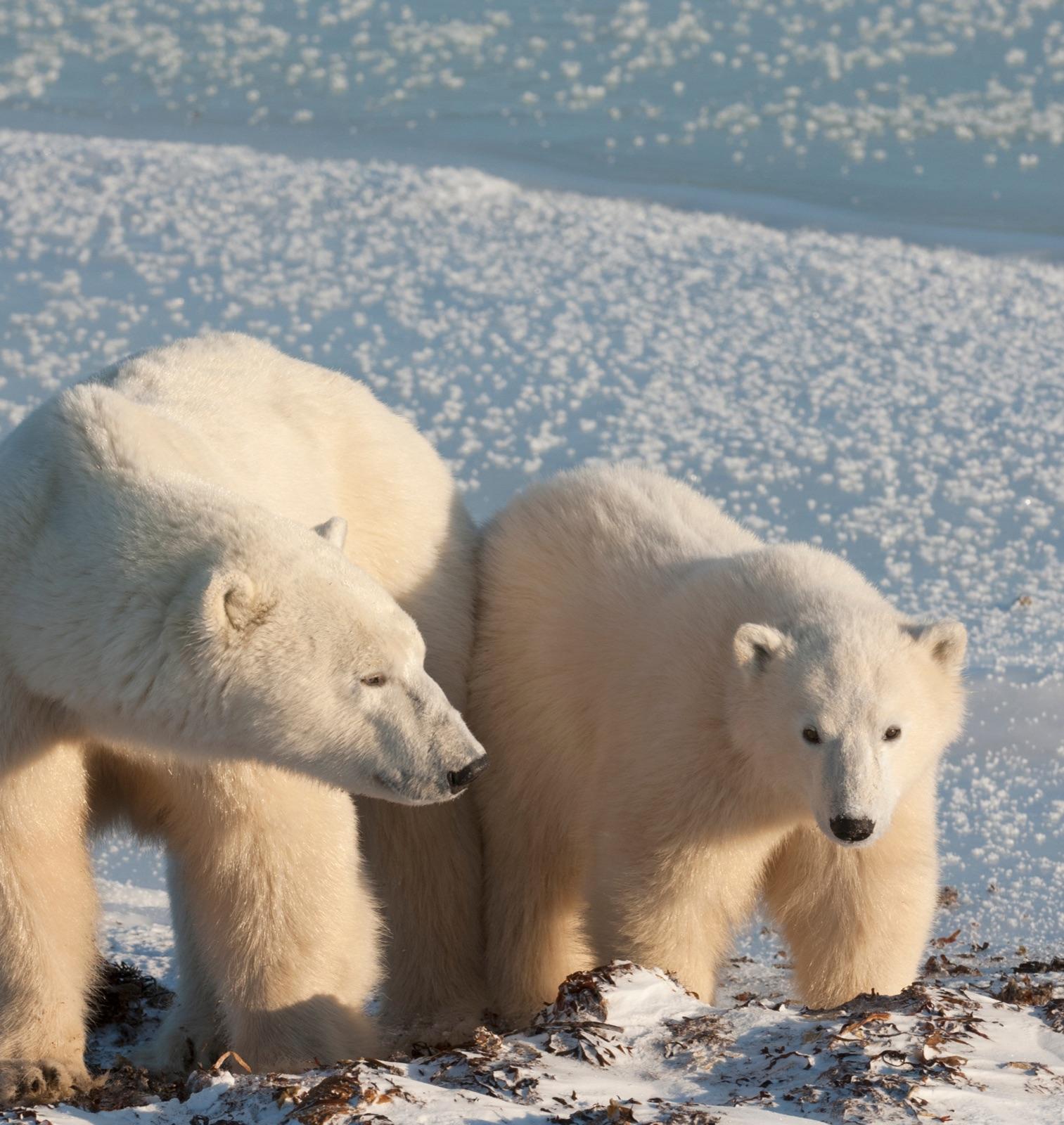
Svalbard in Winter, the Case for Going to the Top of the World
Svalbard sits at 78 degrees north, closer to the North Pole than to Oslo. In winter the sun does not rise for four months. The polar bears outnumber the people.
The Northern Lights Are Not What You Expect Them to Be
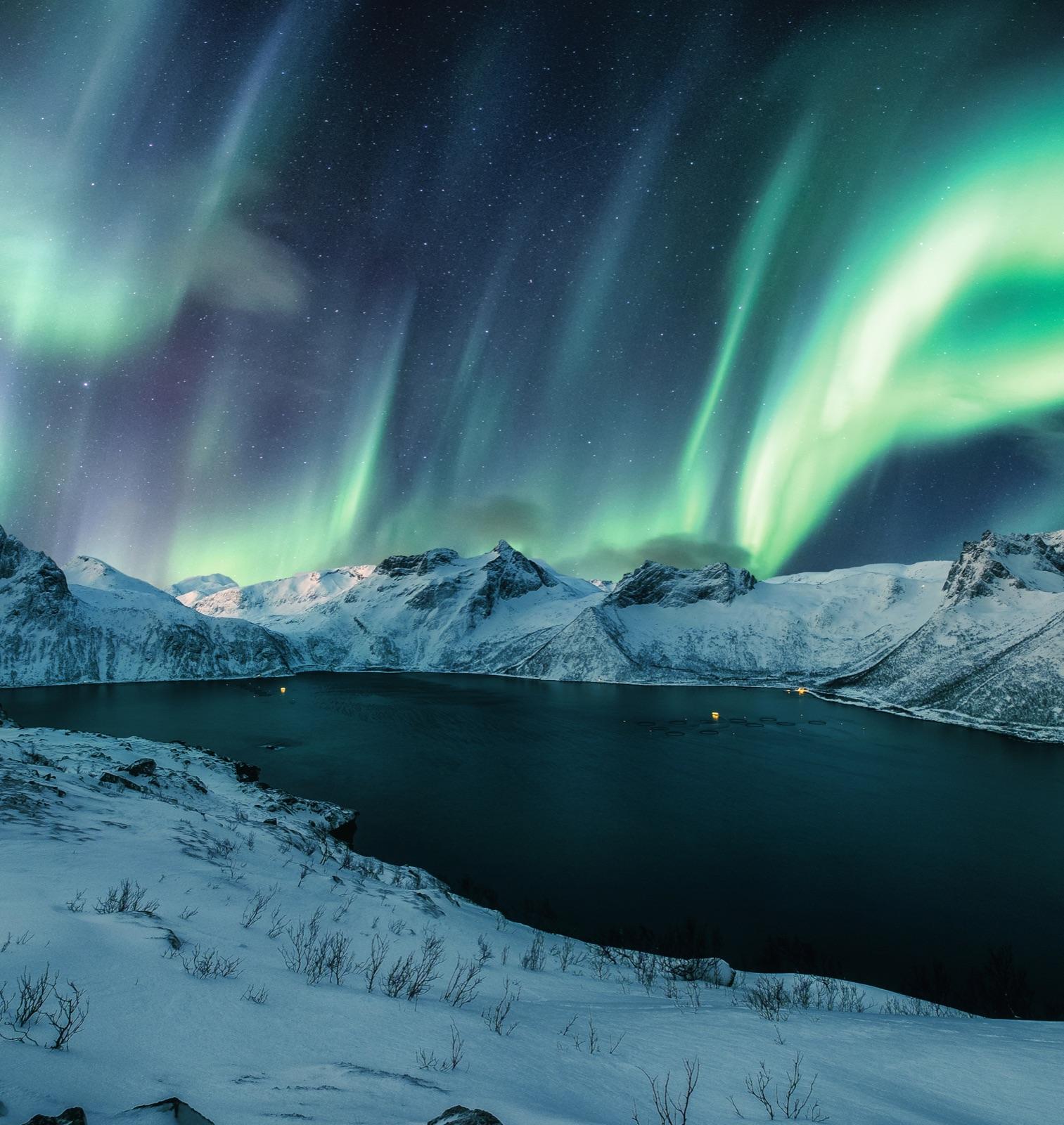
Every image of the Aurora Borealis is accurate and none of them are sufficient. The camera captures the colour but not the movement, the silence beneath it, or the particular feeling of standing in the dark watching the sky do something that your mind keeps insisting cannot be natural.