
Malilangwe, in Full
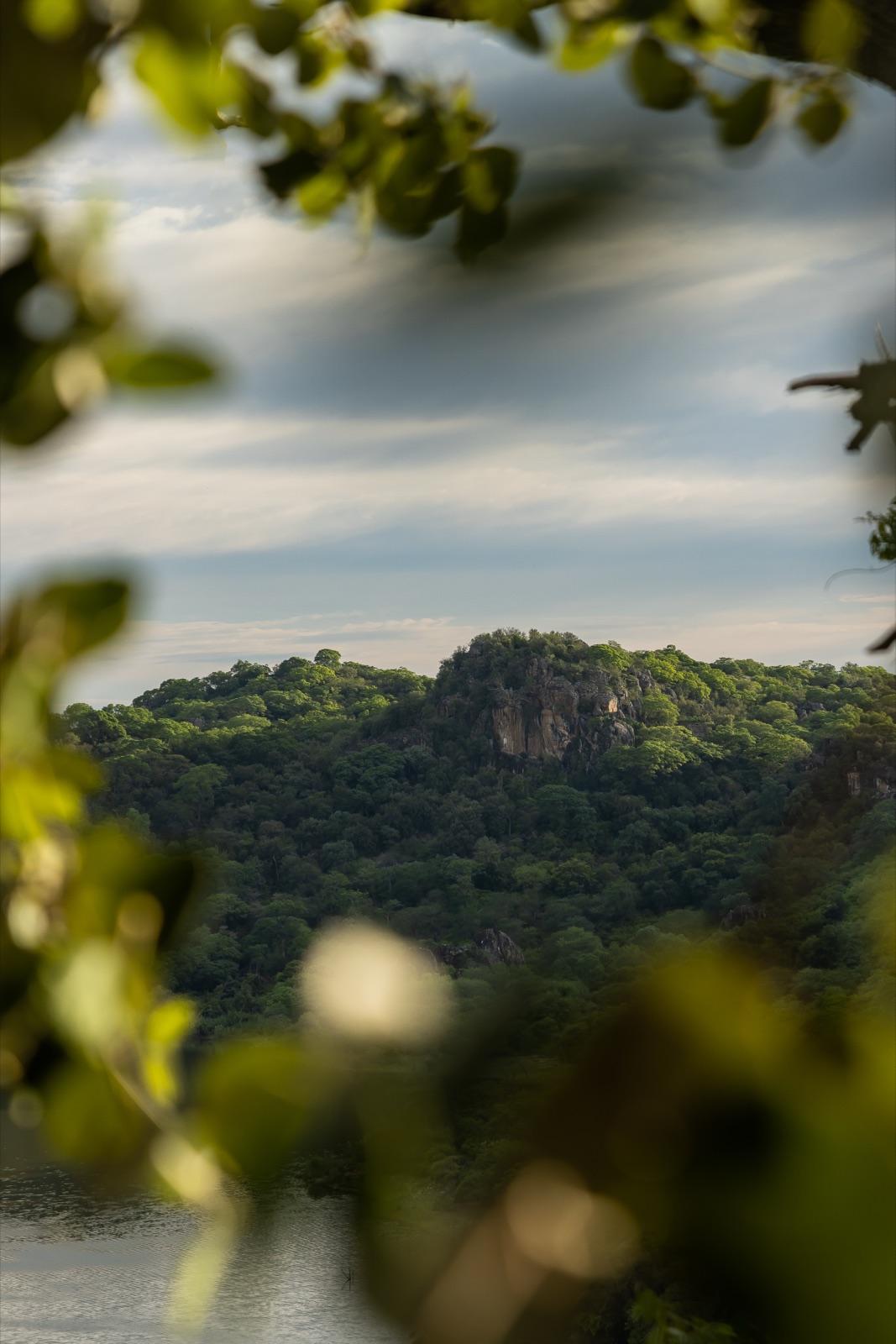
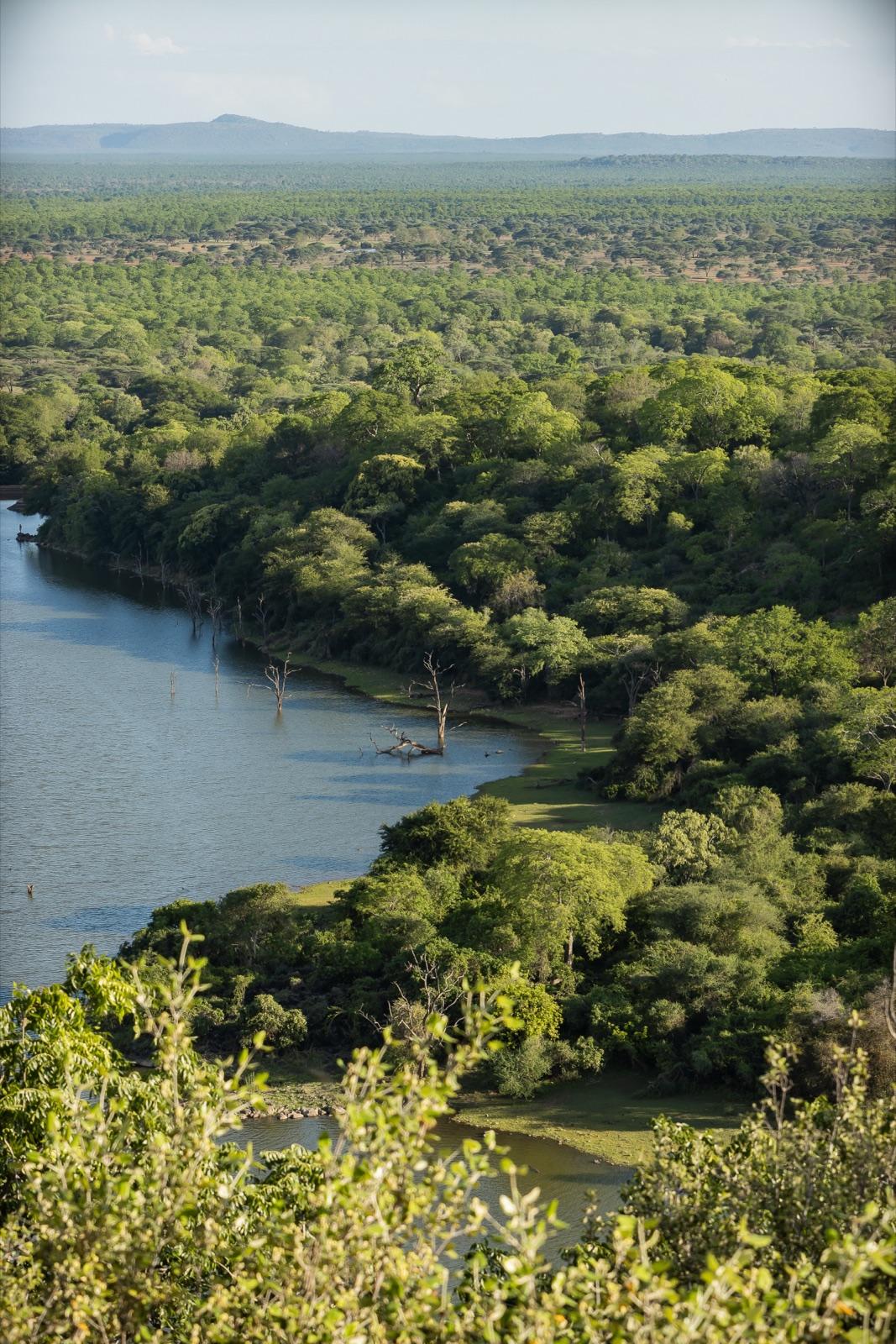
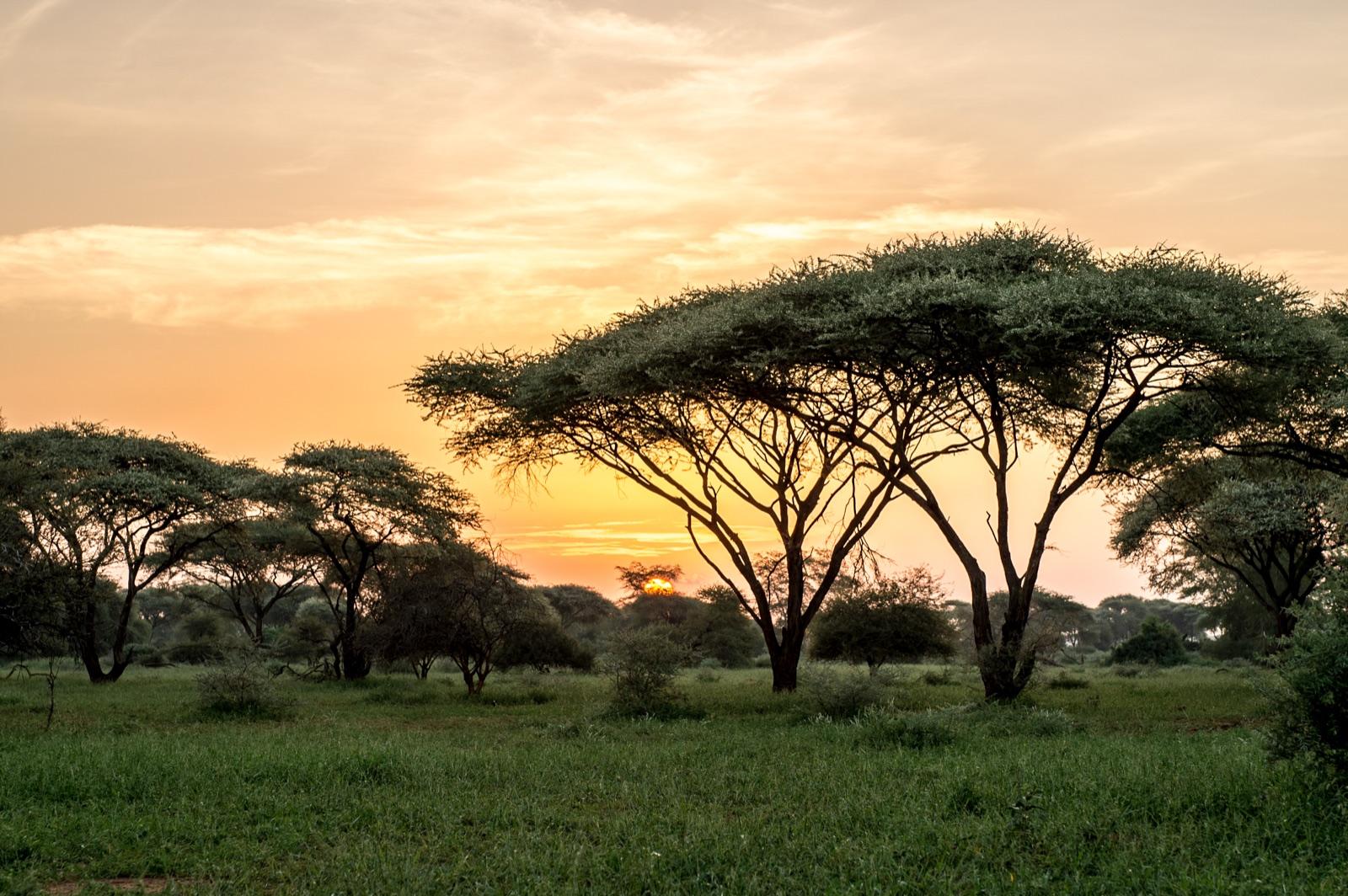
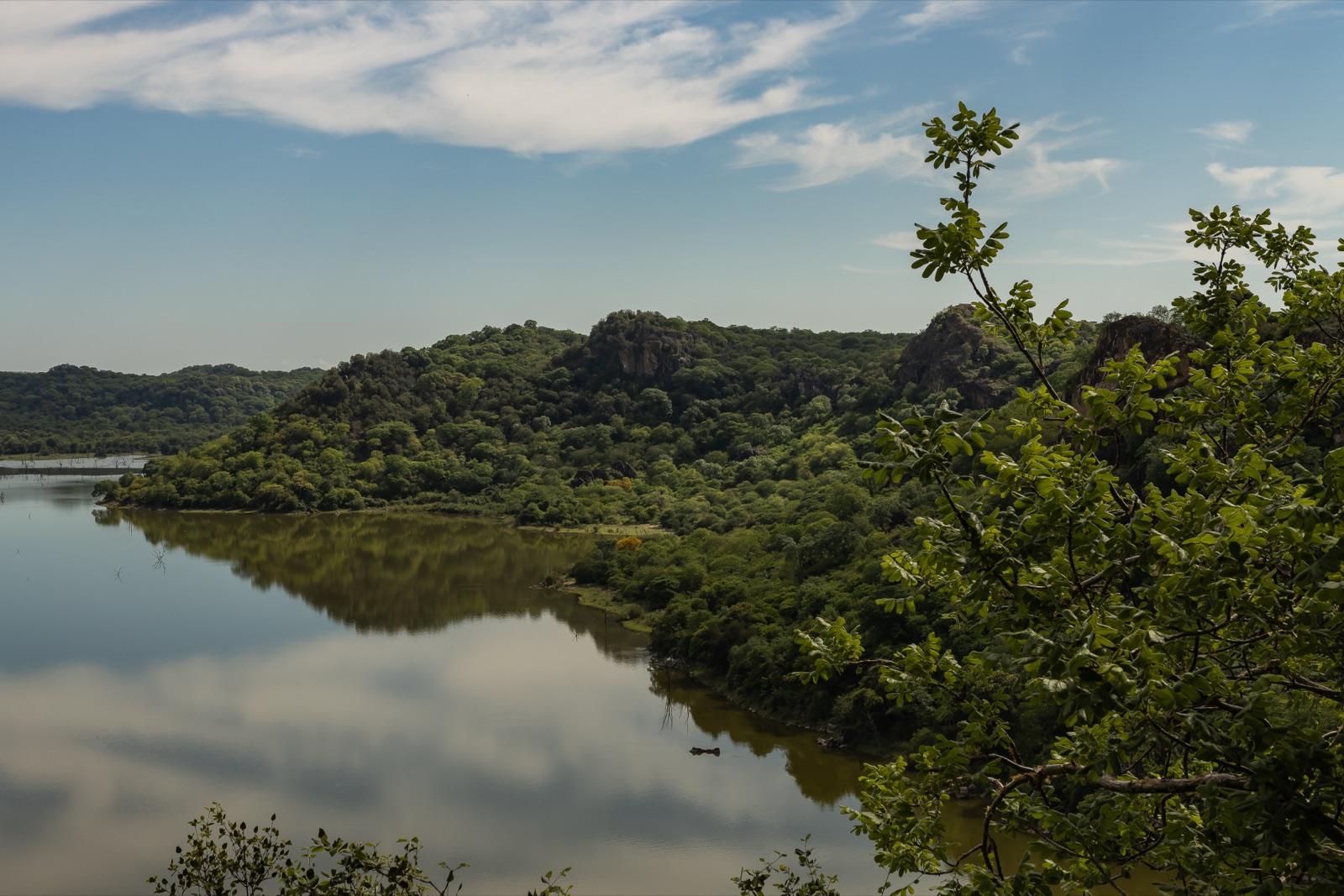
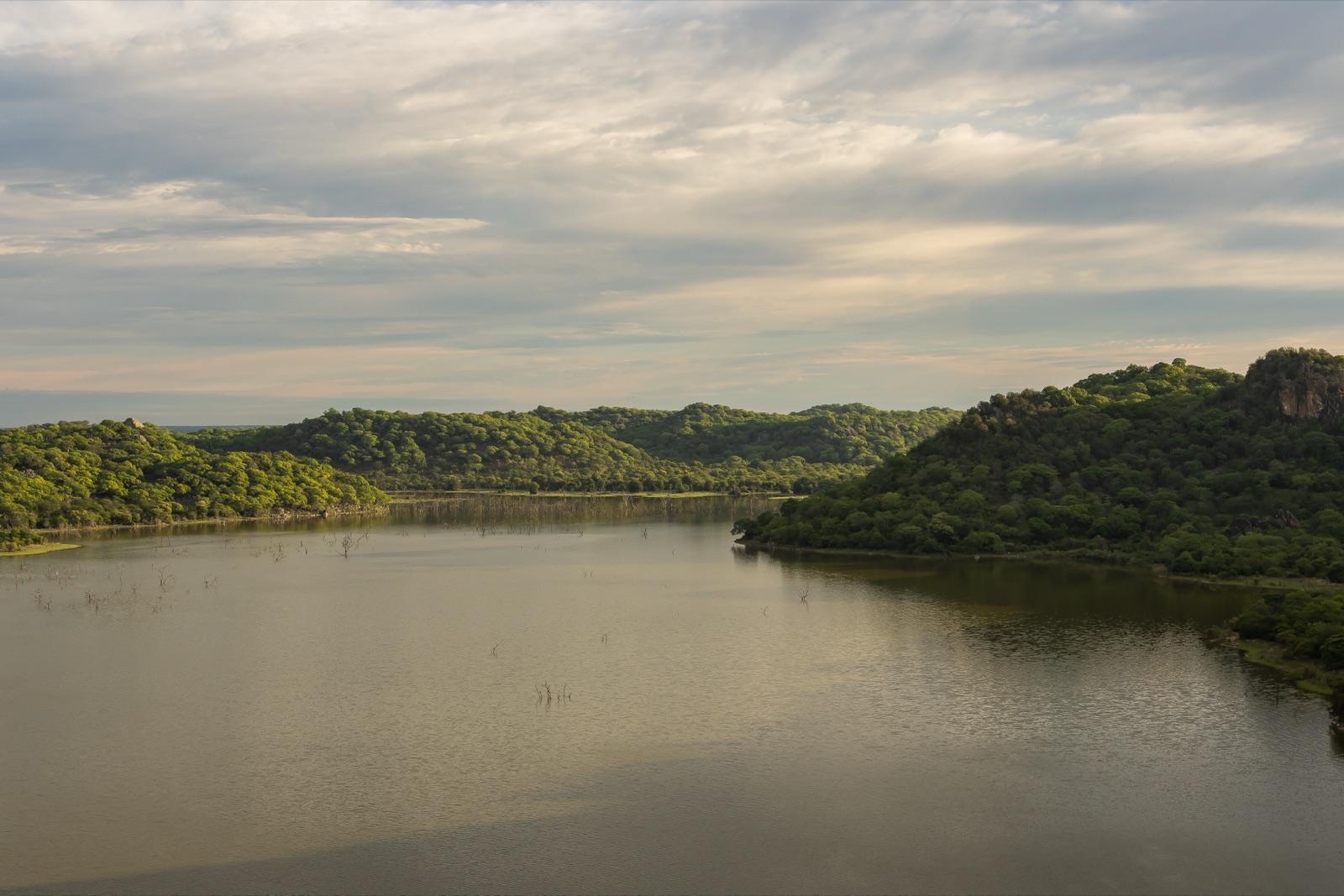
The reserve sits in Zimbabwe's remote south-east, bordering Gonarezhou National Park. Mopane forest, hundreds of baobabs and sandstone ridges give way to the Malilangwe Dam below.
Six nights of safari, rhino tracking and rock art in remote Zimbabwe.
Six nights at Singita Pamushana, the only lodge on the 115,000-acre Malilangwe Reserve in south-eastern Zimbabwe. Across the week you track black rhino on foot with an armed guide and tracker, and walk to San rock art in the reserve's sandstone shelters. With just eight suites on a reserve this large, the drives, the rhino and the rock art are, in practice, yours alone.
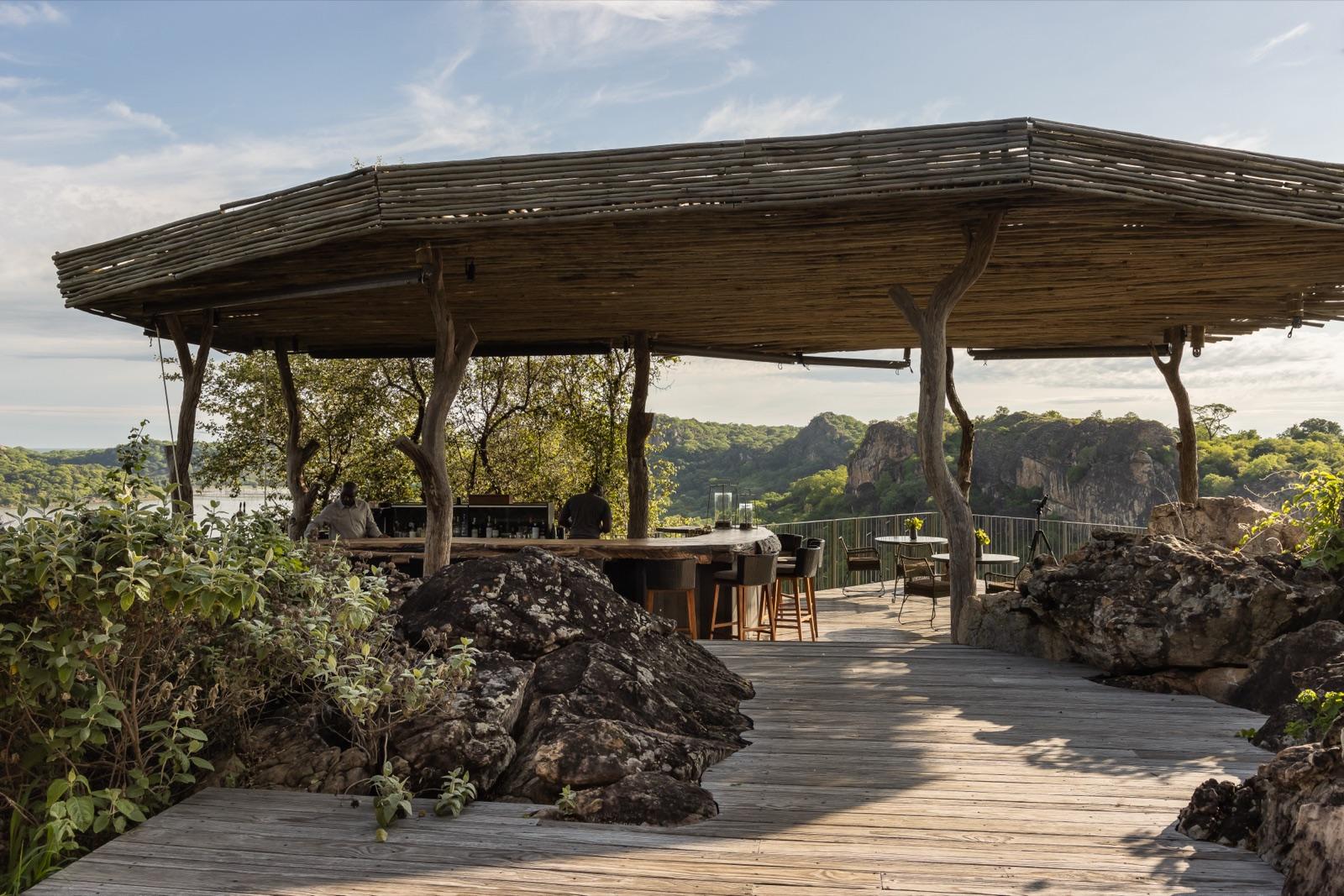
The Malilangwe Reserve covers 115,000 acres of mopane woodland, baobabs and granite outcrops, restored from a former cattle ranch by the Malilangwe Trust since 1994. Pamushana is its only lodge on a reserve most travellers have never heard of. Its signatures sit close together. Black and white rhino move through the same ground as 123 recorded rock art sites, with a lake below the lodge for boating and fishing. Six nights covers all three without rushing any of them.
RequestThe reserve sits in Zimbabwe's remote south-east, bordering Gonarezhou National Park. Mopane forest, hundreds of baobabs and sandstone ridges give way to the Malilangwe Dam below.
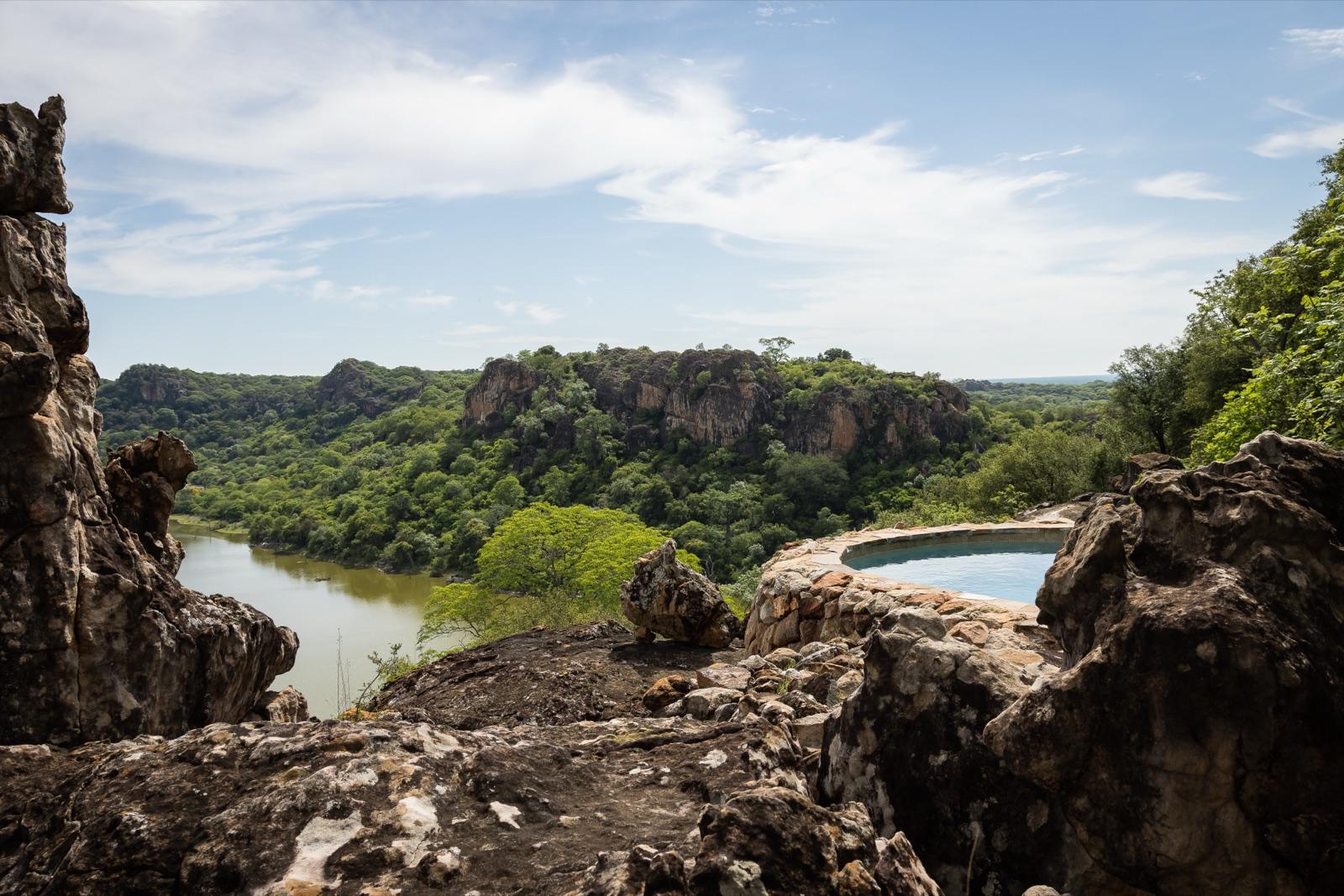
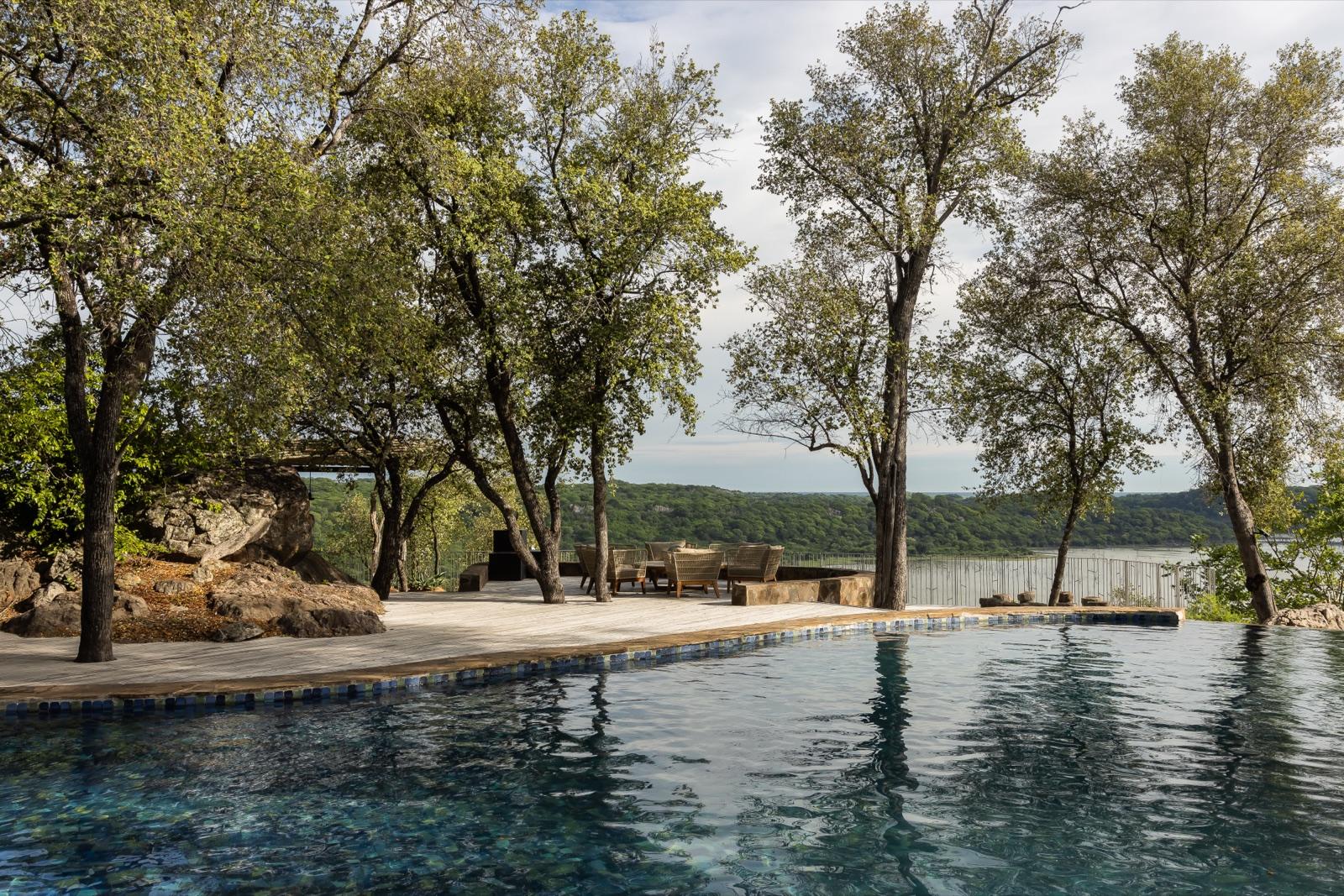
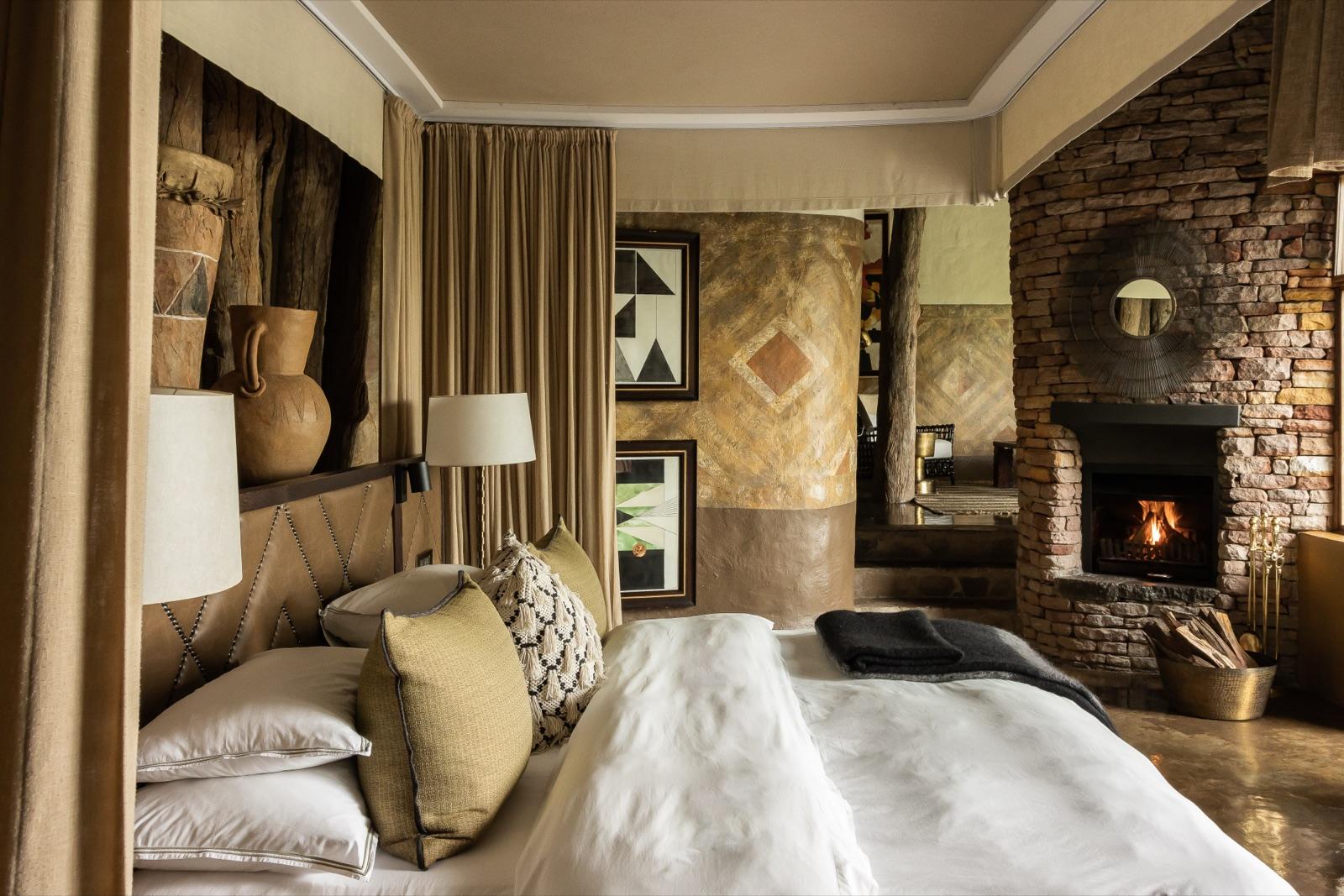
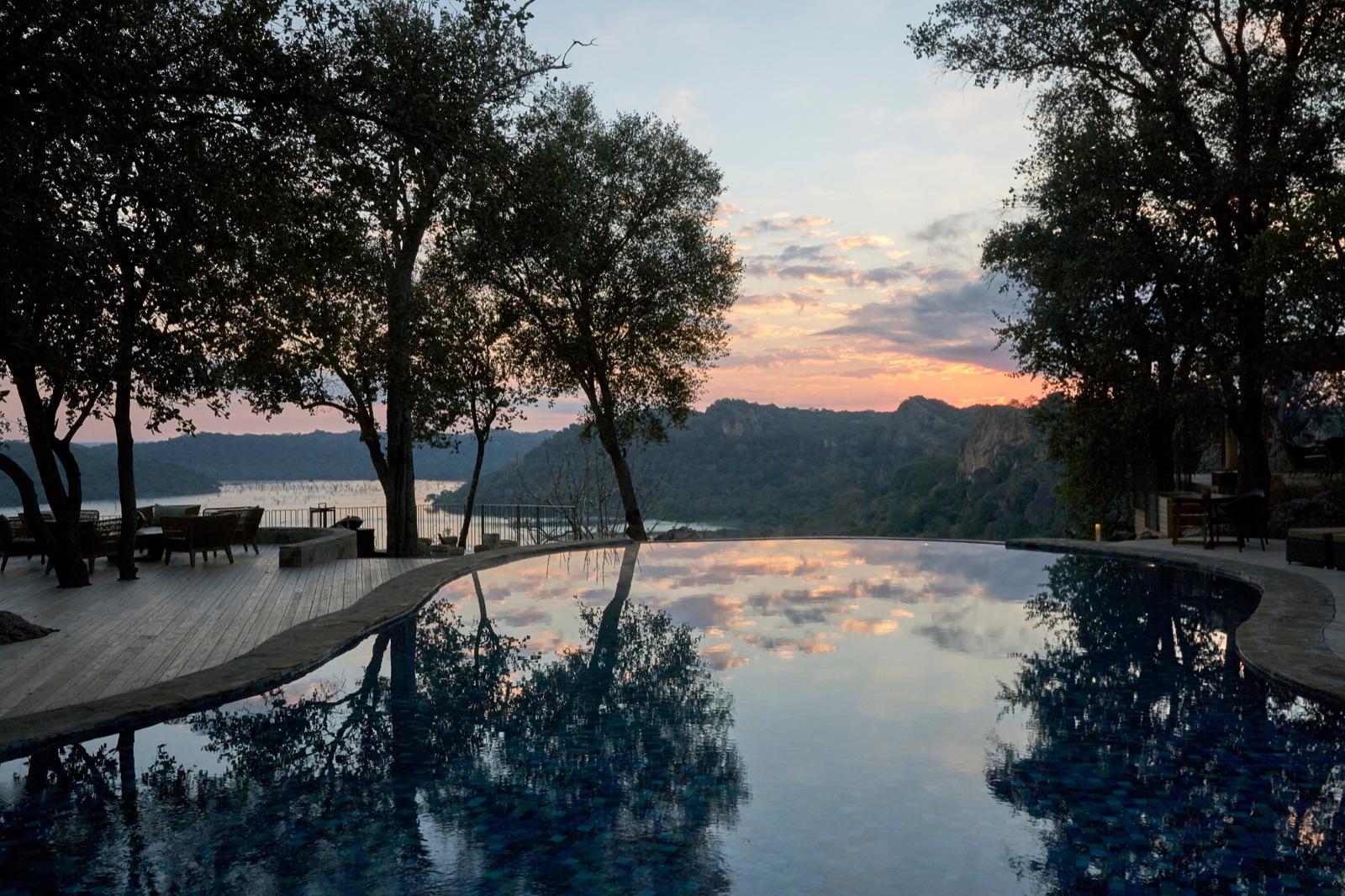
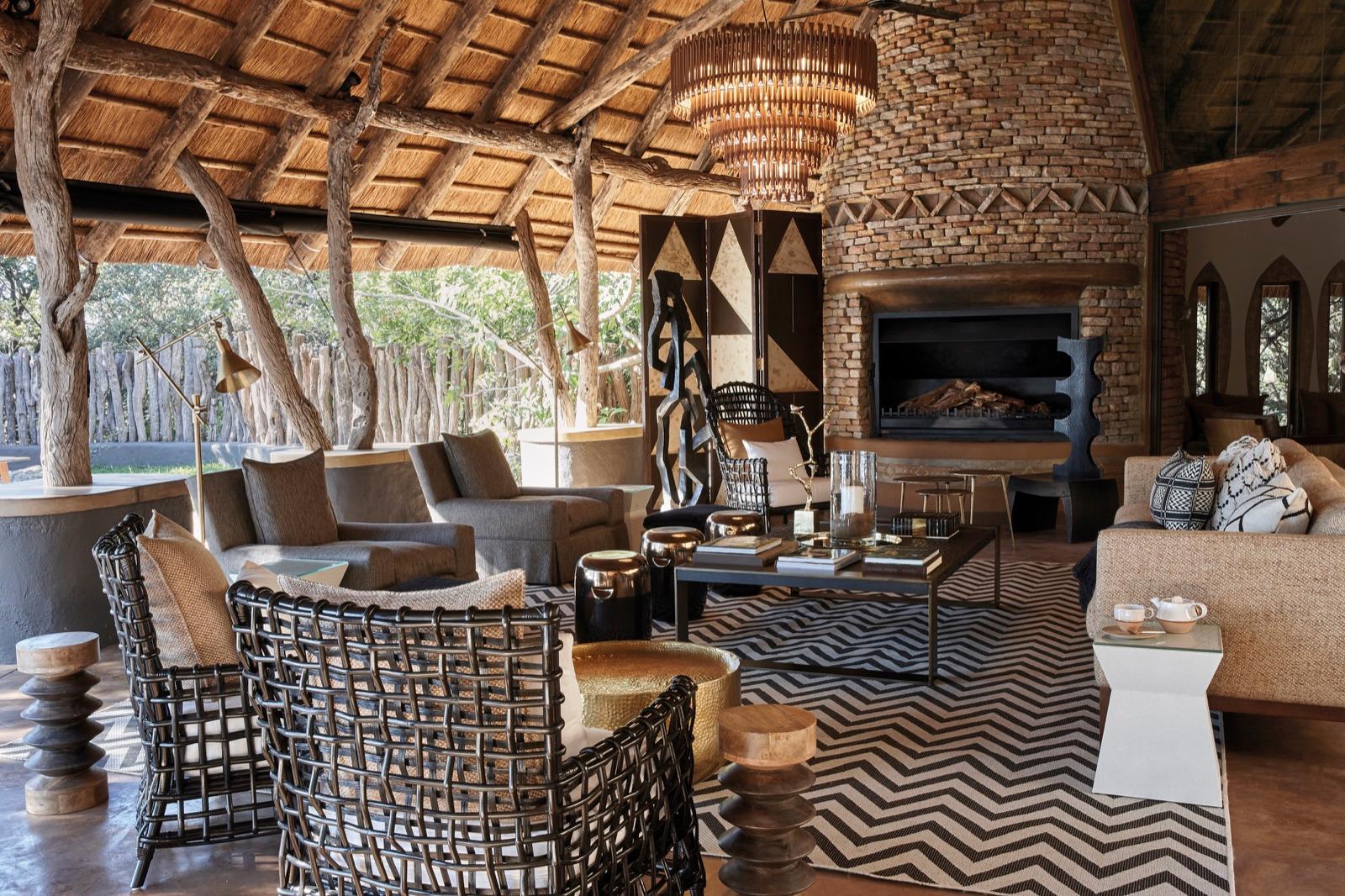
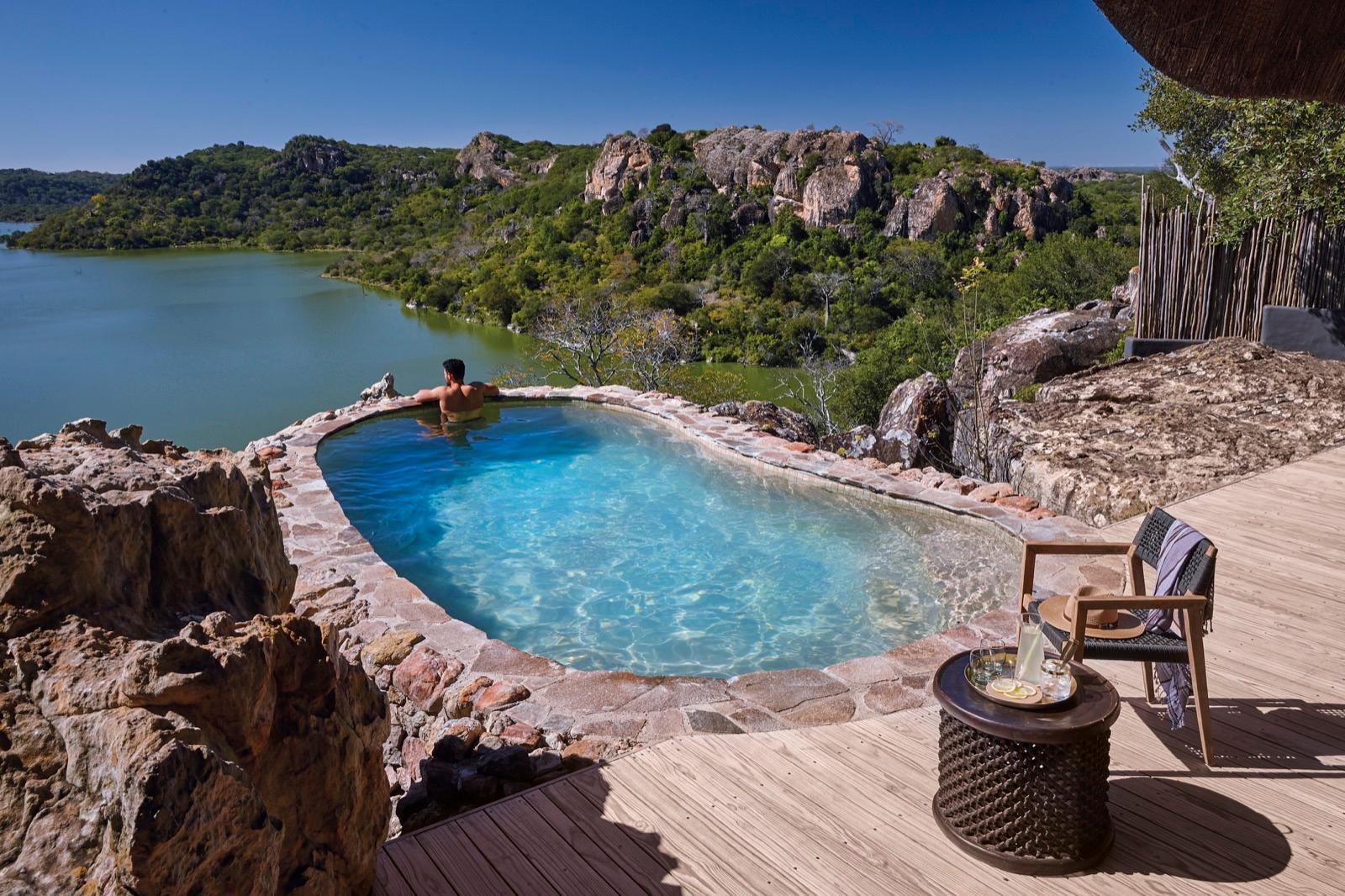
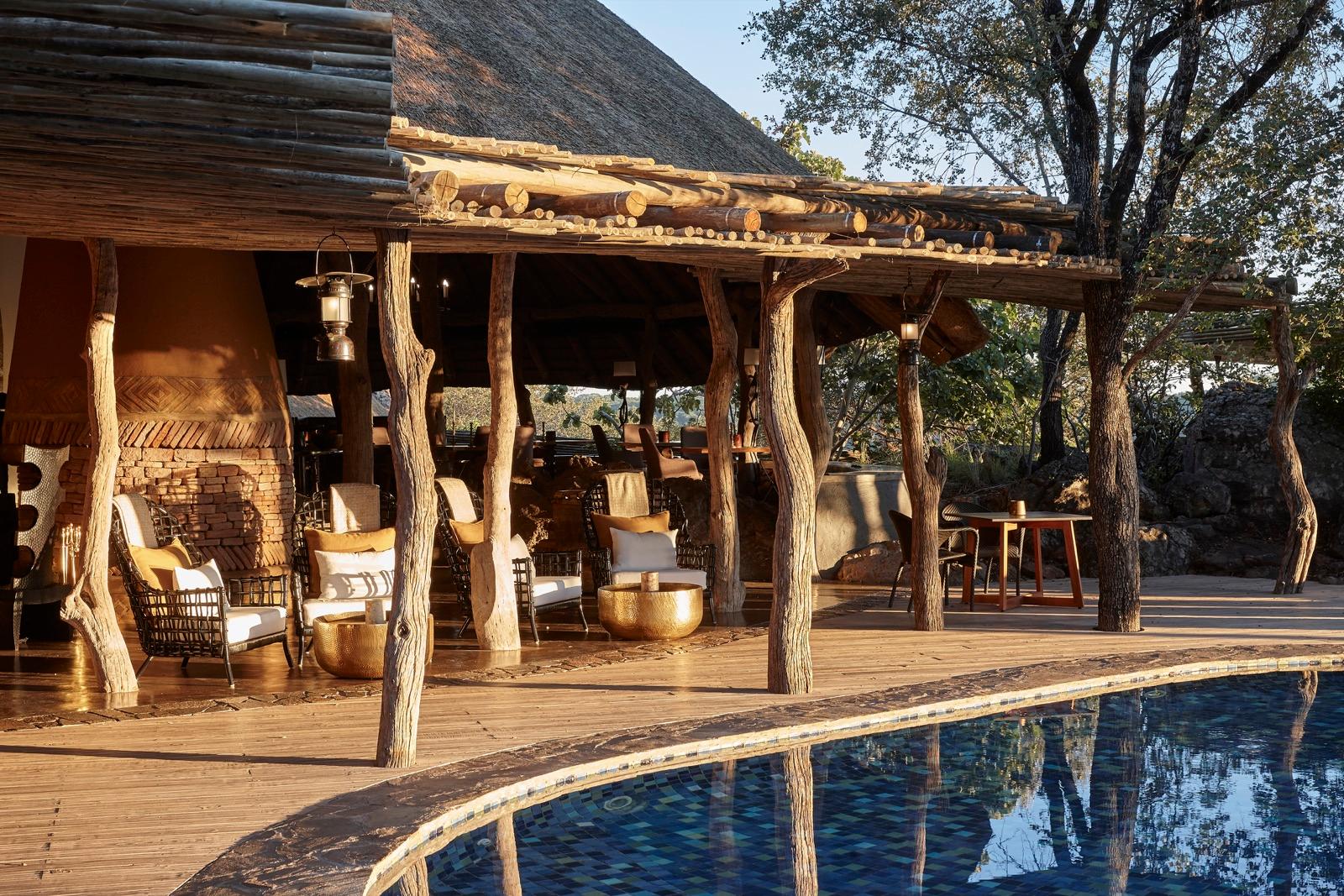
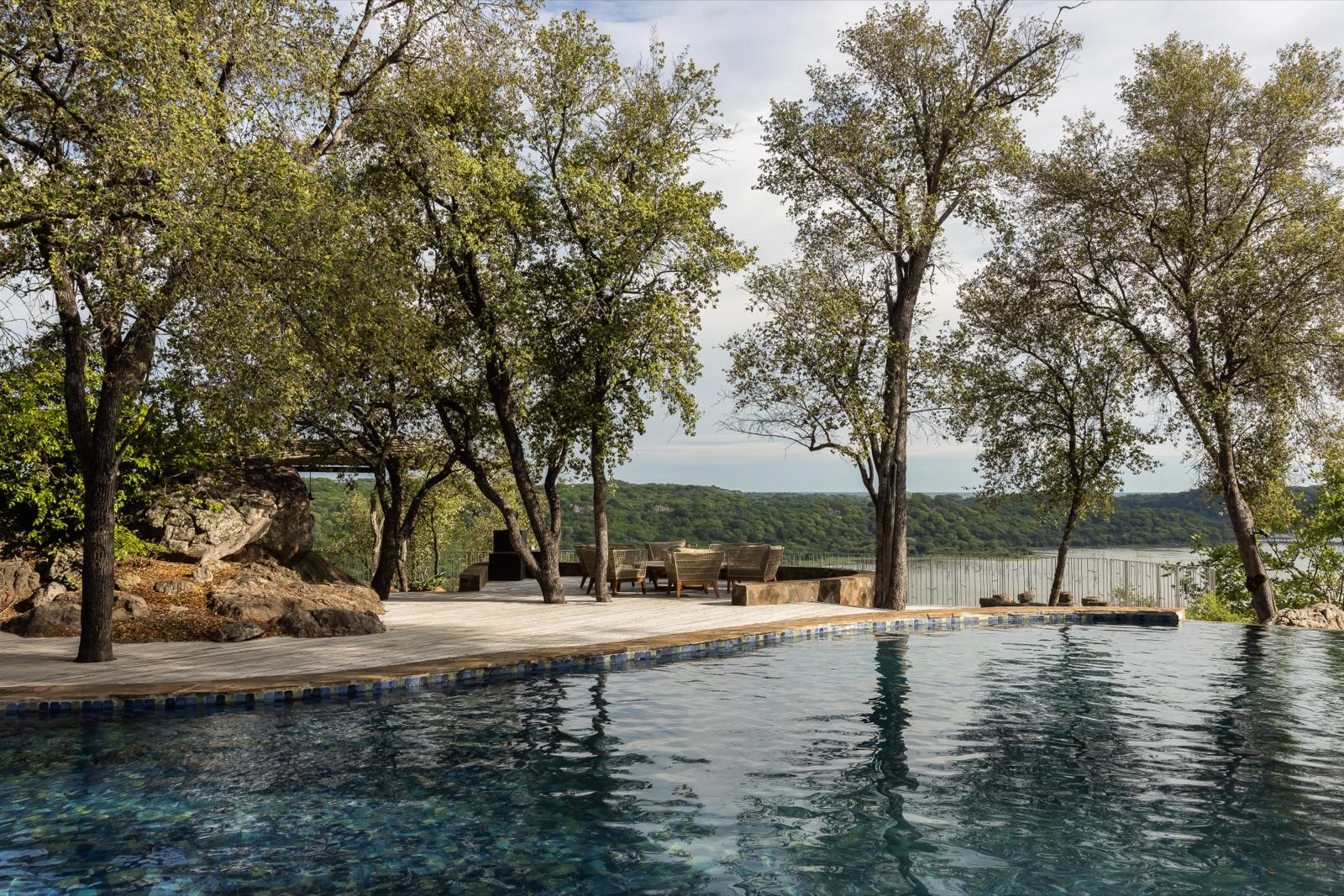
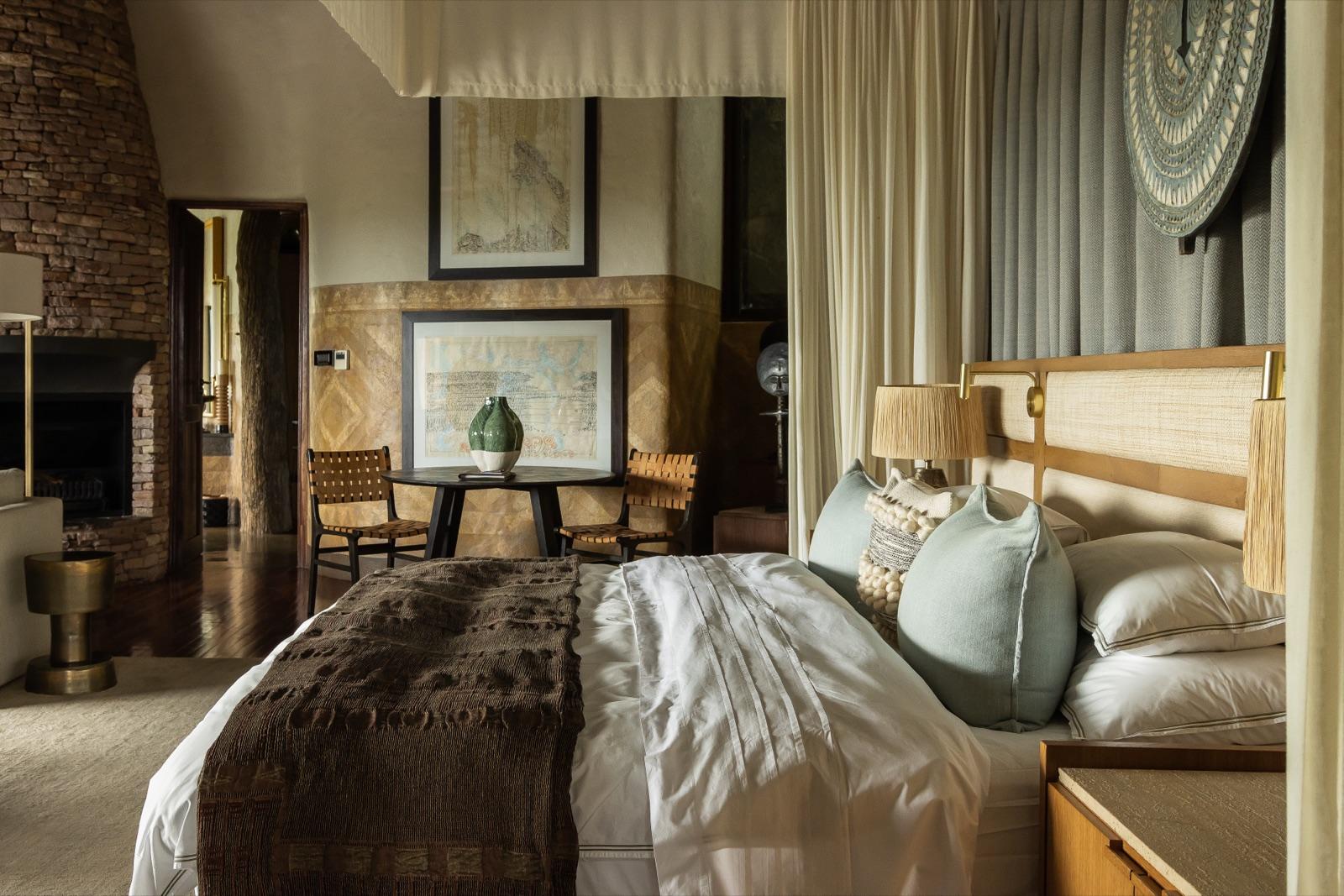
Pamushana is built from wood, thatch and stone on a sandstone ridge above the water, its architecture drawn from the Shangaan culture of the region. Eight suites run from one-bedroom to two-bedroom and family suites, each with its own plunge pool and a Swarovski telescope on the deck, with a main infinity pool at the lodge.
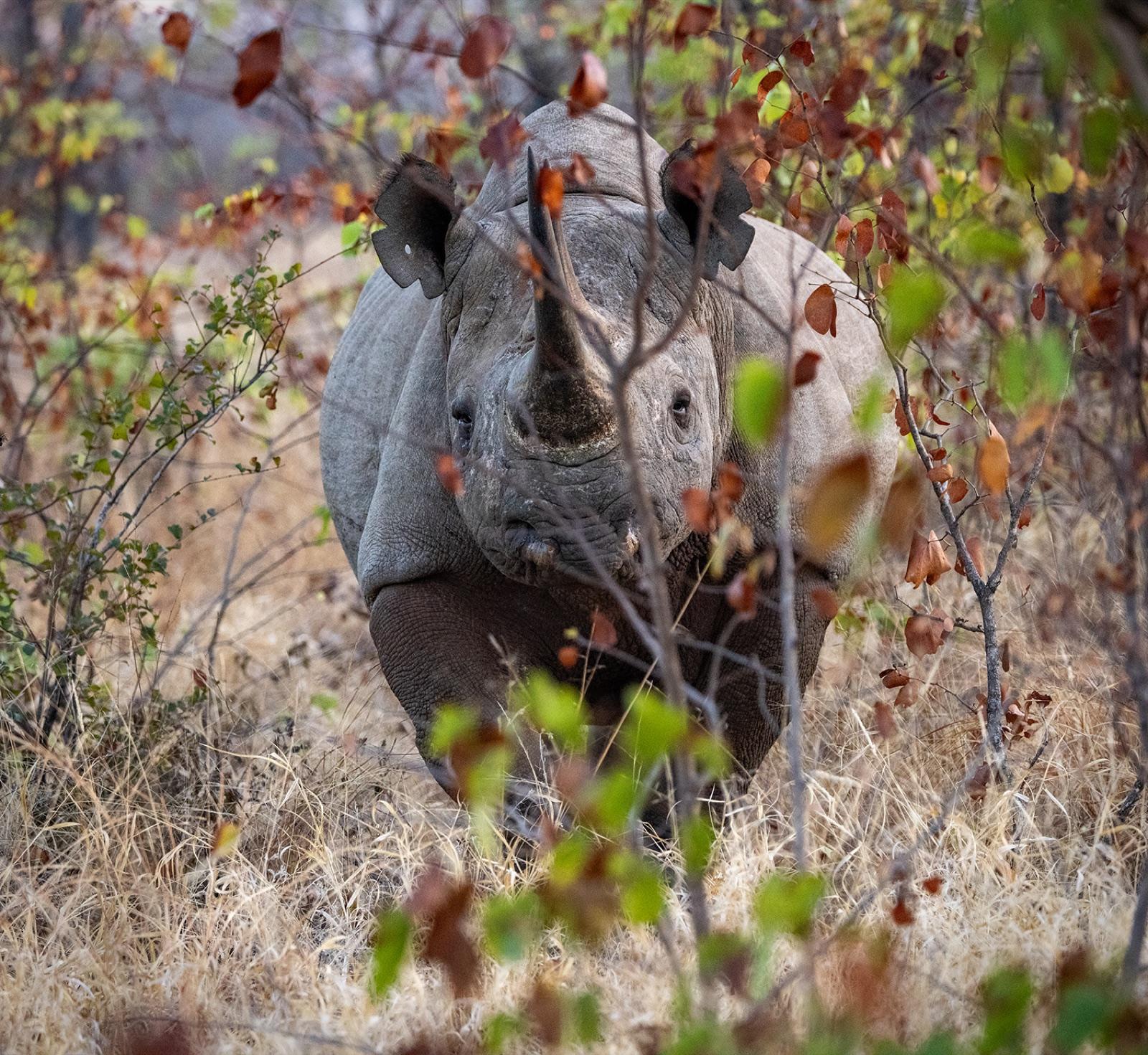
Two things set Malilangwe apart: black rhino tracked on foot, and ancient rock art in the sandstone. Both are seen with a guide, usually with no one else in sight.
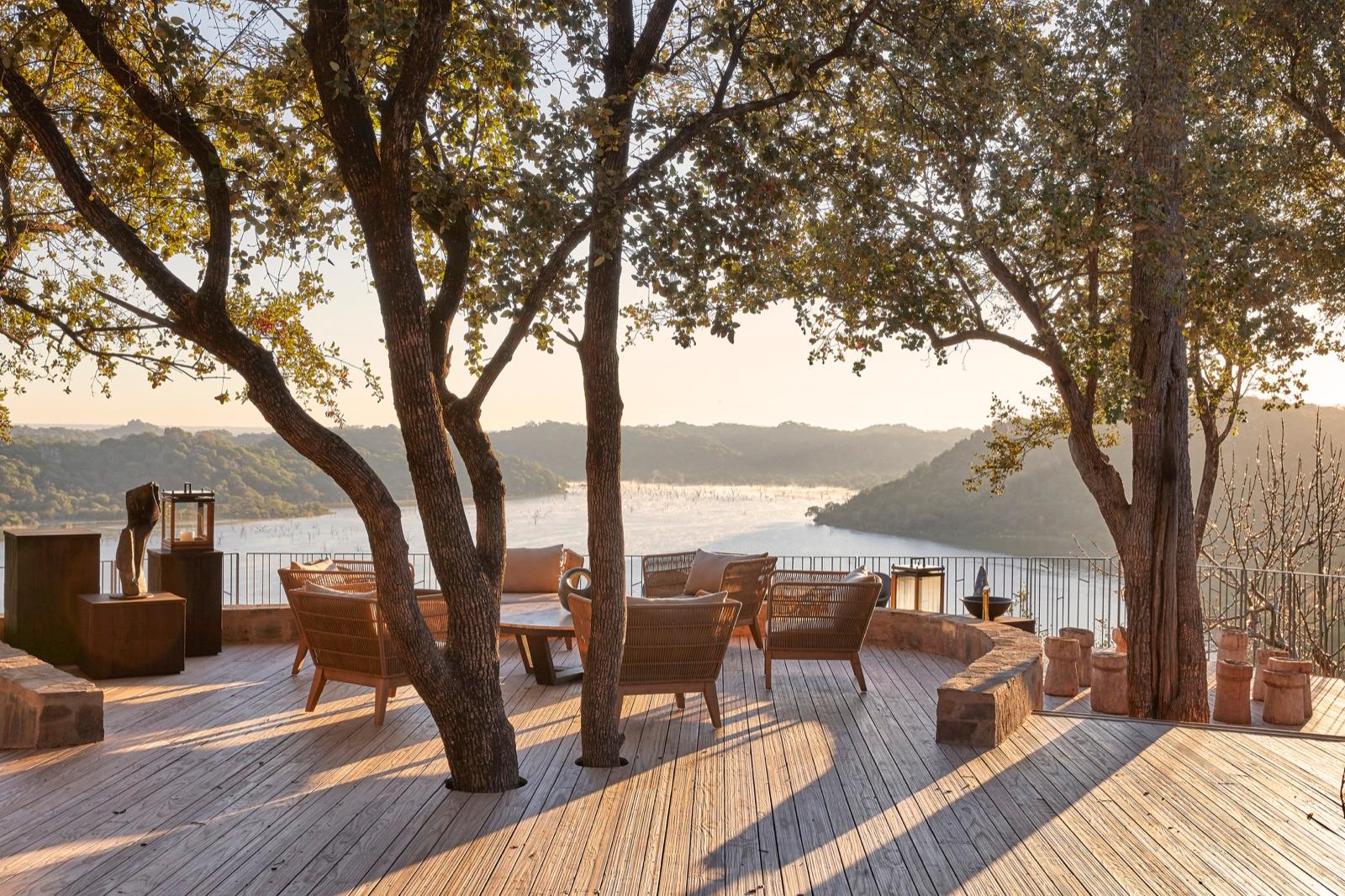
6 Nights • Malilangwe Reserve
Serious safari travellers, photographers, families with older children, and anyone drawn to rhino, rock art and genuine remoteness over a busy game-drive circuit. Well suited to a second or third African safari.
Singita Pamushana, the only lodge on the reserve. Eight suites on a sandstone ridge above the Malilangwe Dam, from one-bedroom to two-bedroom and family suites, each with a private plunge pool and a Swarovski telescope on the deck, plus a main infinity pool at the lodge.
Eight suites, from one-bedroom to family. Exclusive use of the lodge available on request.
Full-day excursions to Gonarezhou National Park and, on longer stays, Great Zimbabwe; the Kambako living history experience; a Malilangwe Trust community visit; and exclusive use of the lodge.
[Copy to be added]
Guided walks and black rhino tracking on foot are led by an armed guide and tracker, with a minimum age set by the guides. Rhino sightings are never guaranteed; the tracking itself is the experience.
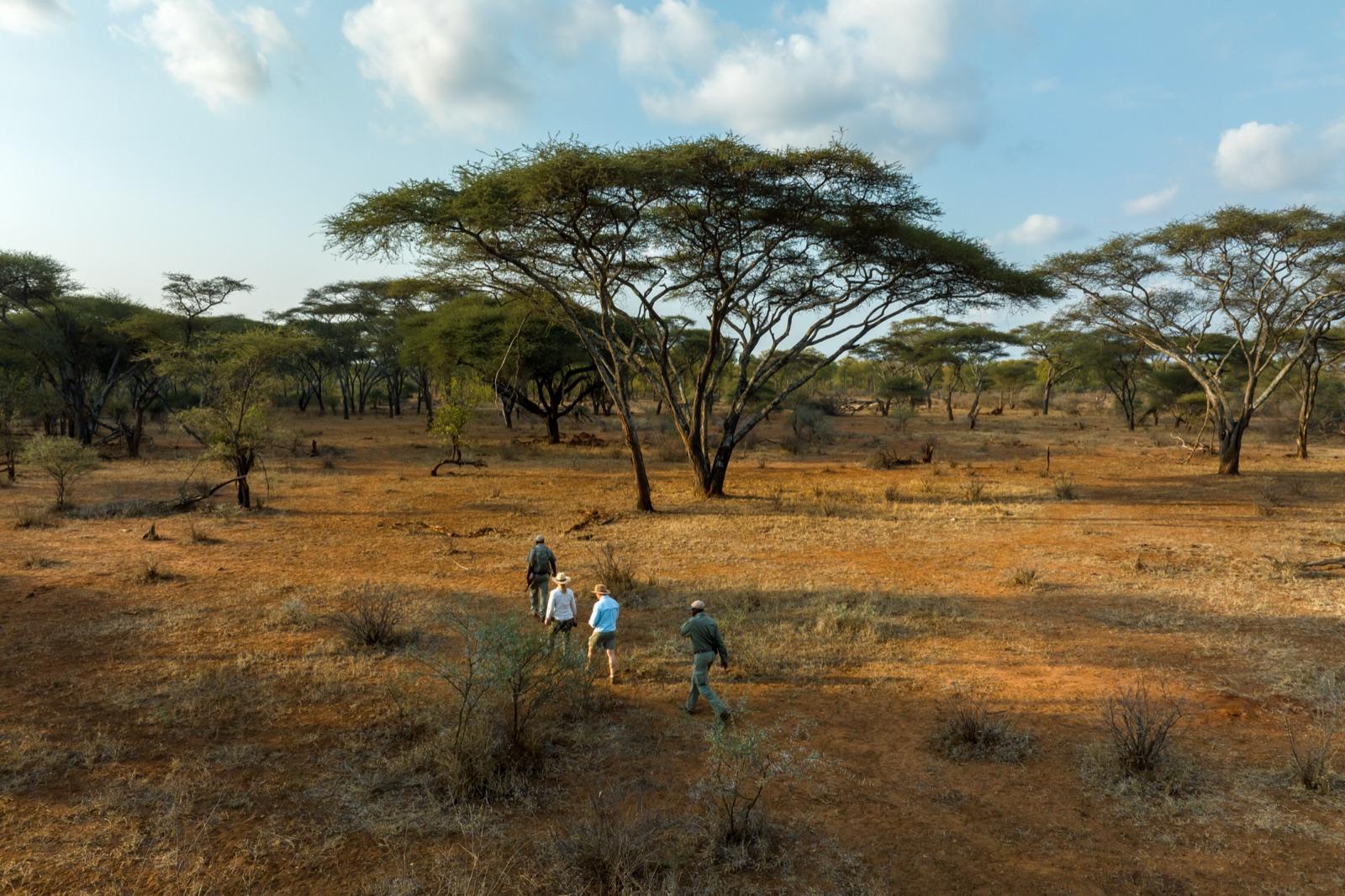
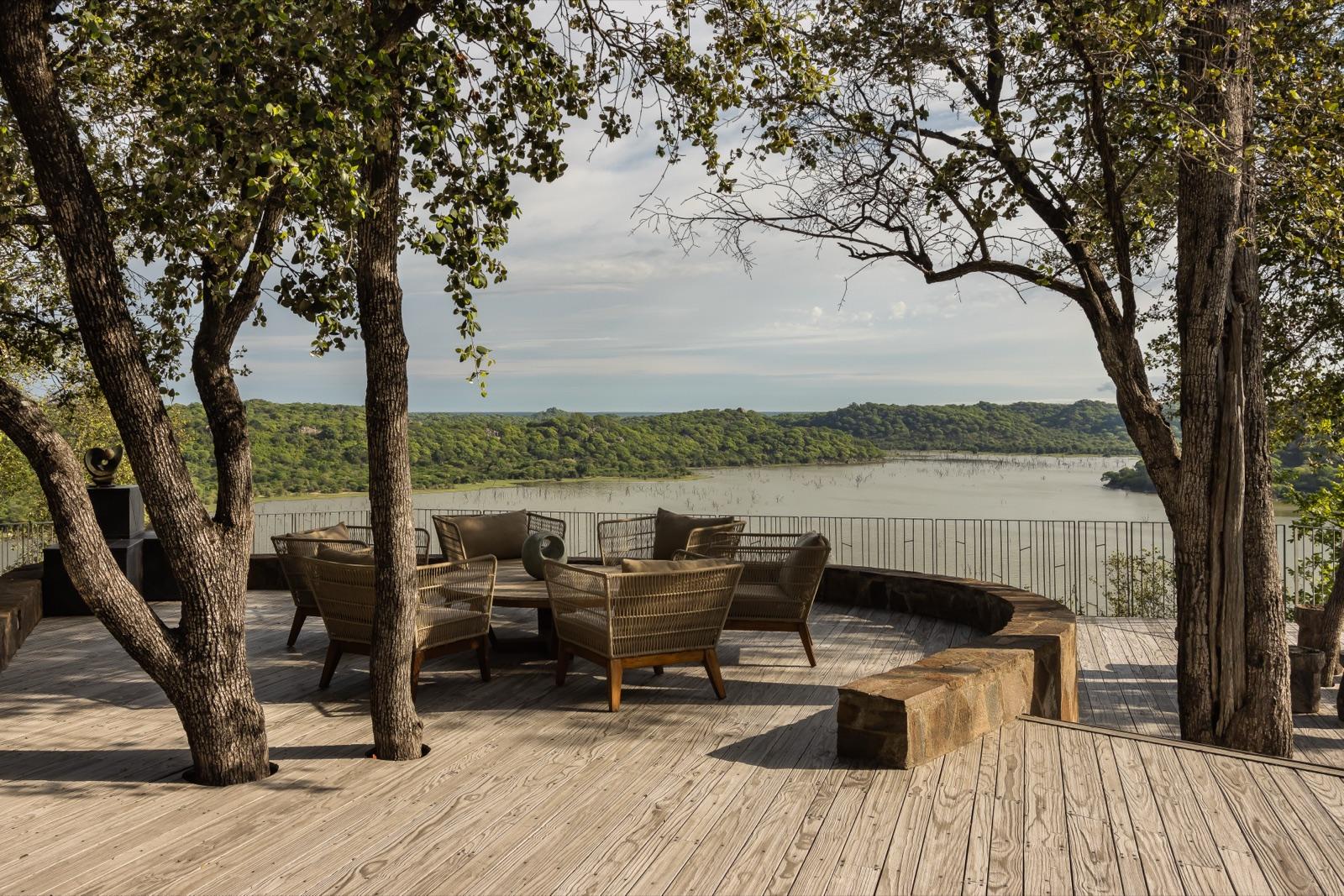
Pamushana is the single lodge on the 115,000-acre Malilangwe Reserve. Game drives, walks and boat cruises cover ground that other guests are almost never on, which changes how close and how unhurried the wildlife feels.
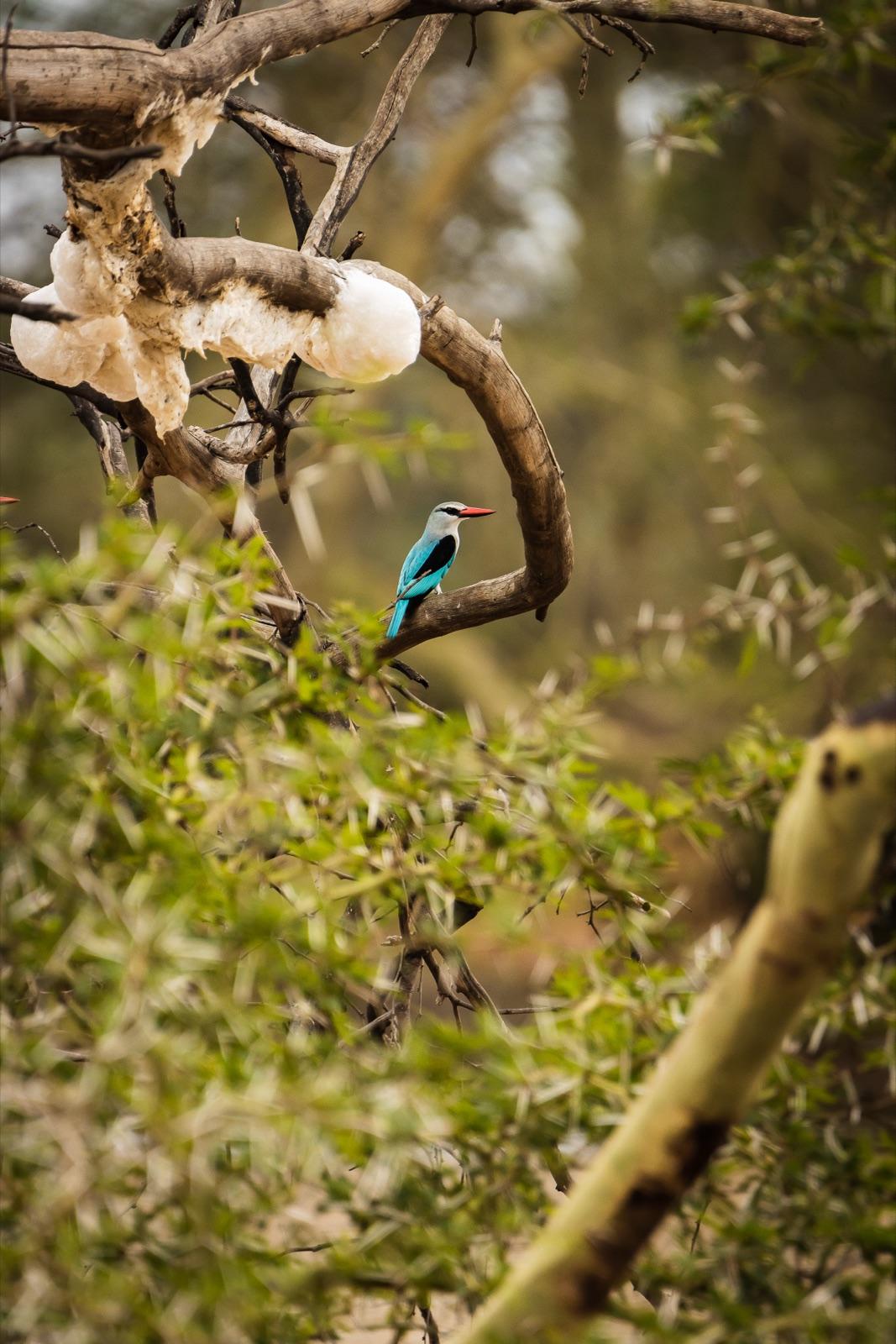
Hundreds of baobab trees stand across the reserve, some of them many centuries old, and more than 500 bird species have been recorded here, raptors among them. The granite ridges and ironwood woodlands reward a slow morning as much as the big game does.
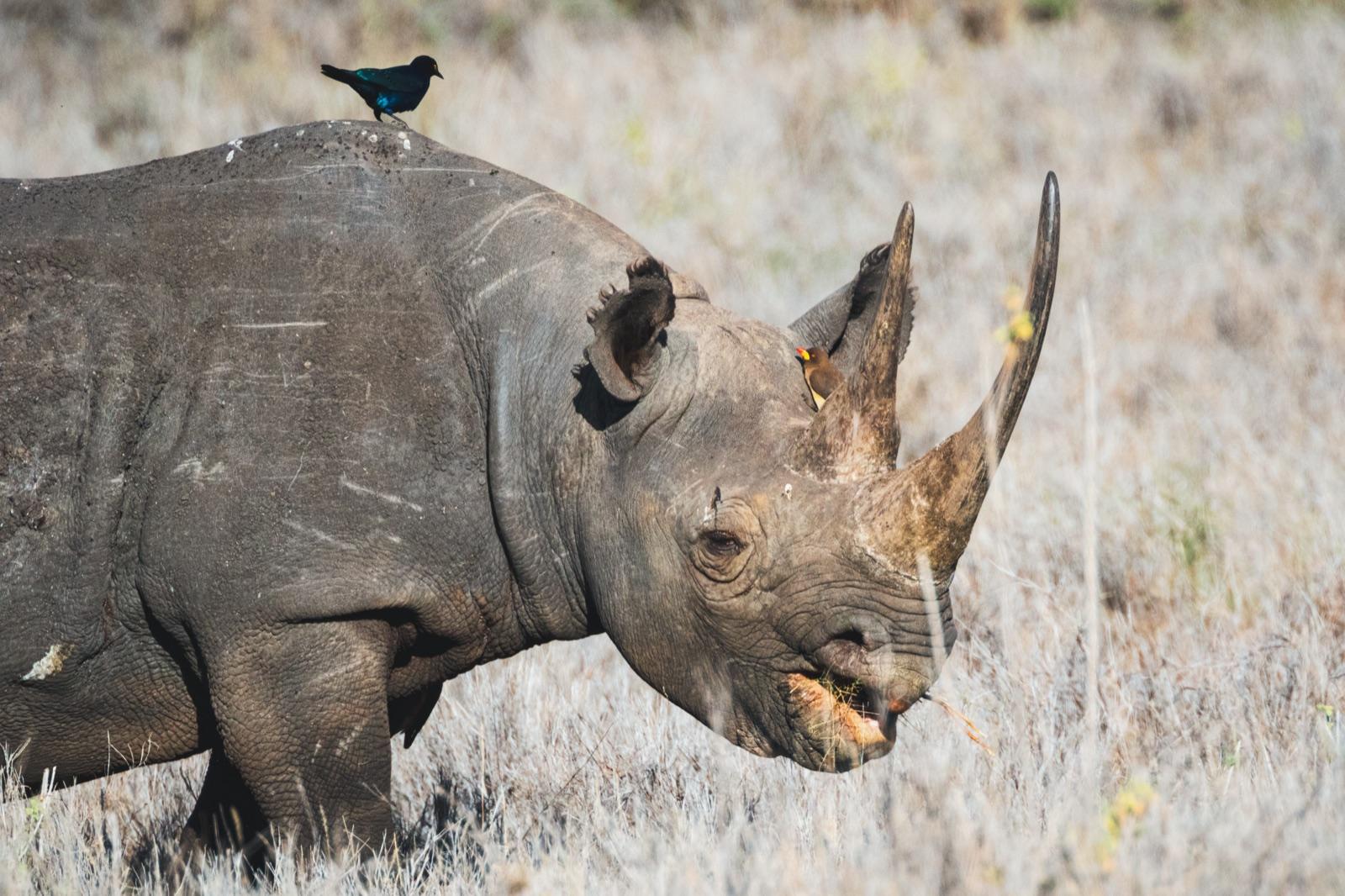
Tracking black rhino on foot is among the rarest activities a guest can do in Africa, and Malilangwe is one of the most reliable places on the continent to attempt it. Guests leave the vehicle with a guide and tracker and approach downwind, on the animals' own ground.
The reserve's black rhino are among the most closely protected in Africa, monitored and guarded by the Malilangwe Trust around the clock. That security is the reason guests can track them on foot at all.
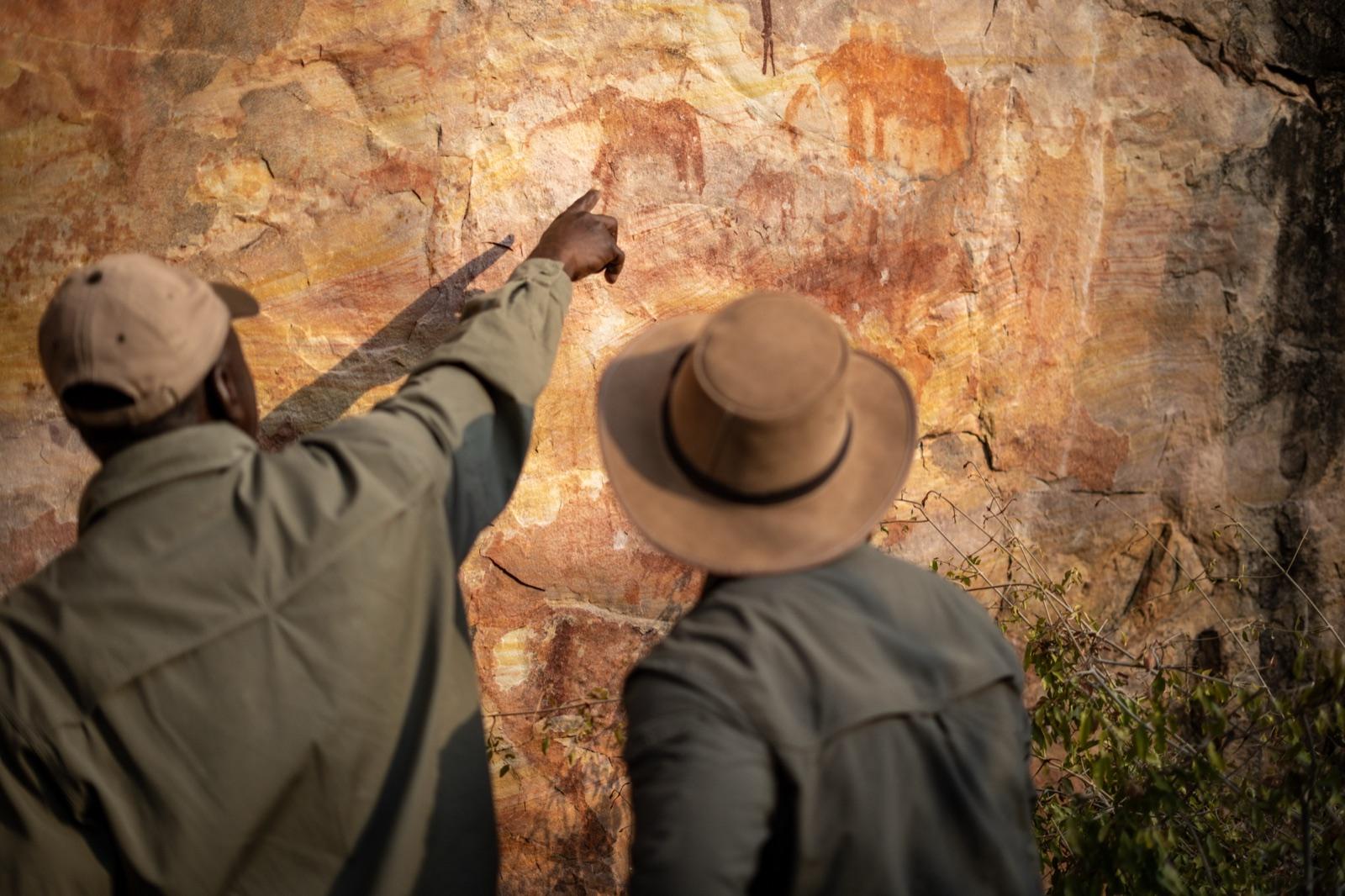
The reserve holds 123 recorded rock art sites, more than any other Singita reserve. Guests walk to them with a guide and, in most cases, stand before a painted shelter with no one else present.
A concealed photographic hide, the Hwata, sits low at a waterhole, reached before the heat builds. It gives eye-level, close-range images of game coming to drink, and turns the flat middle of the day into the best light for a certain kind of photograph. The reserve around it is photographers' country, all granite outcrops, hidden valleys and moody forest.
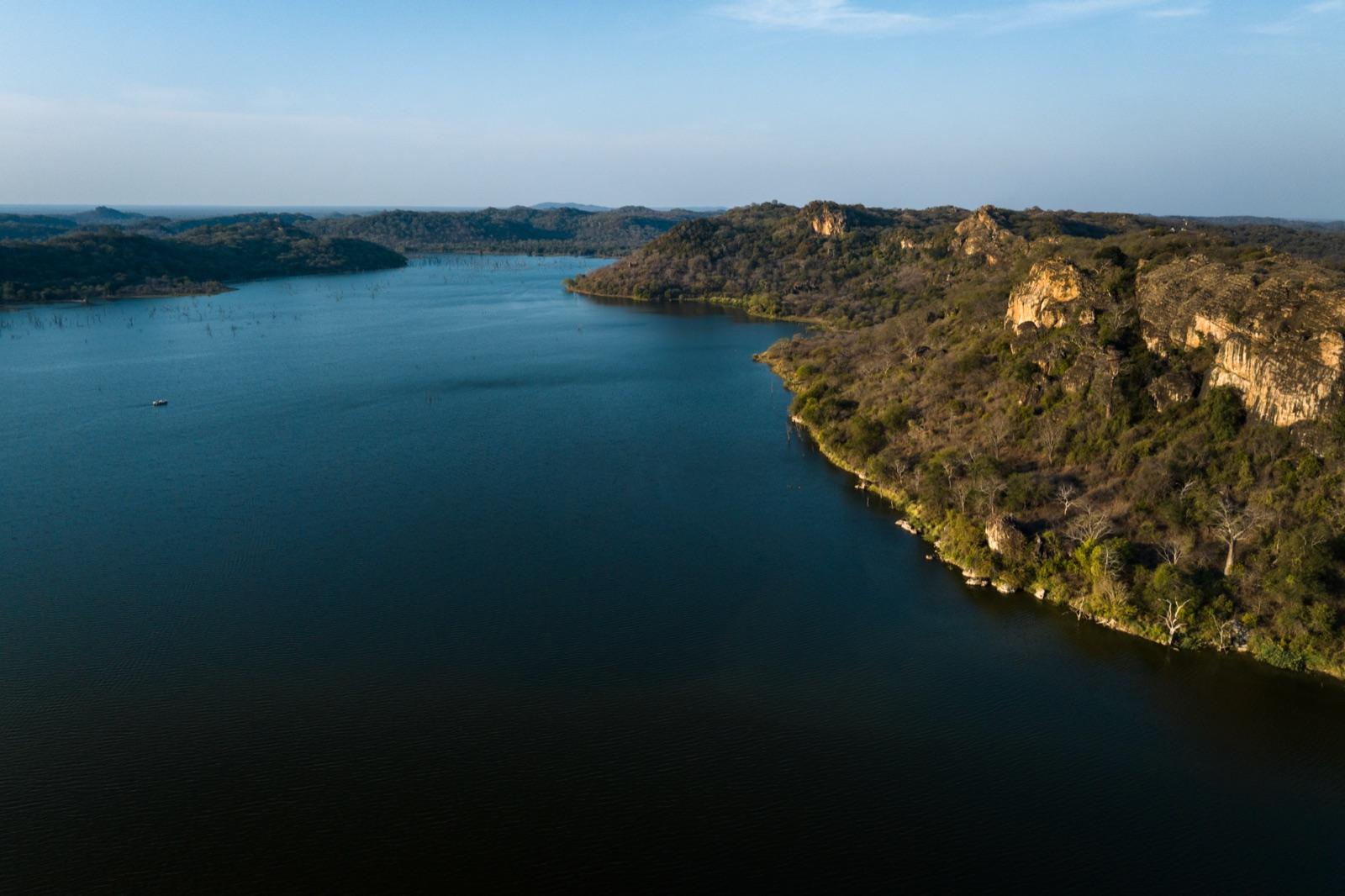
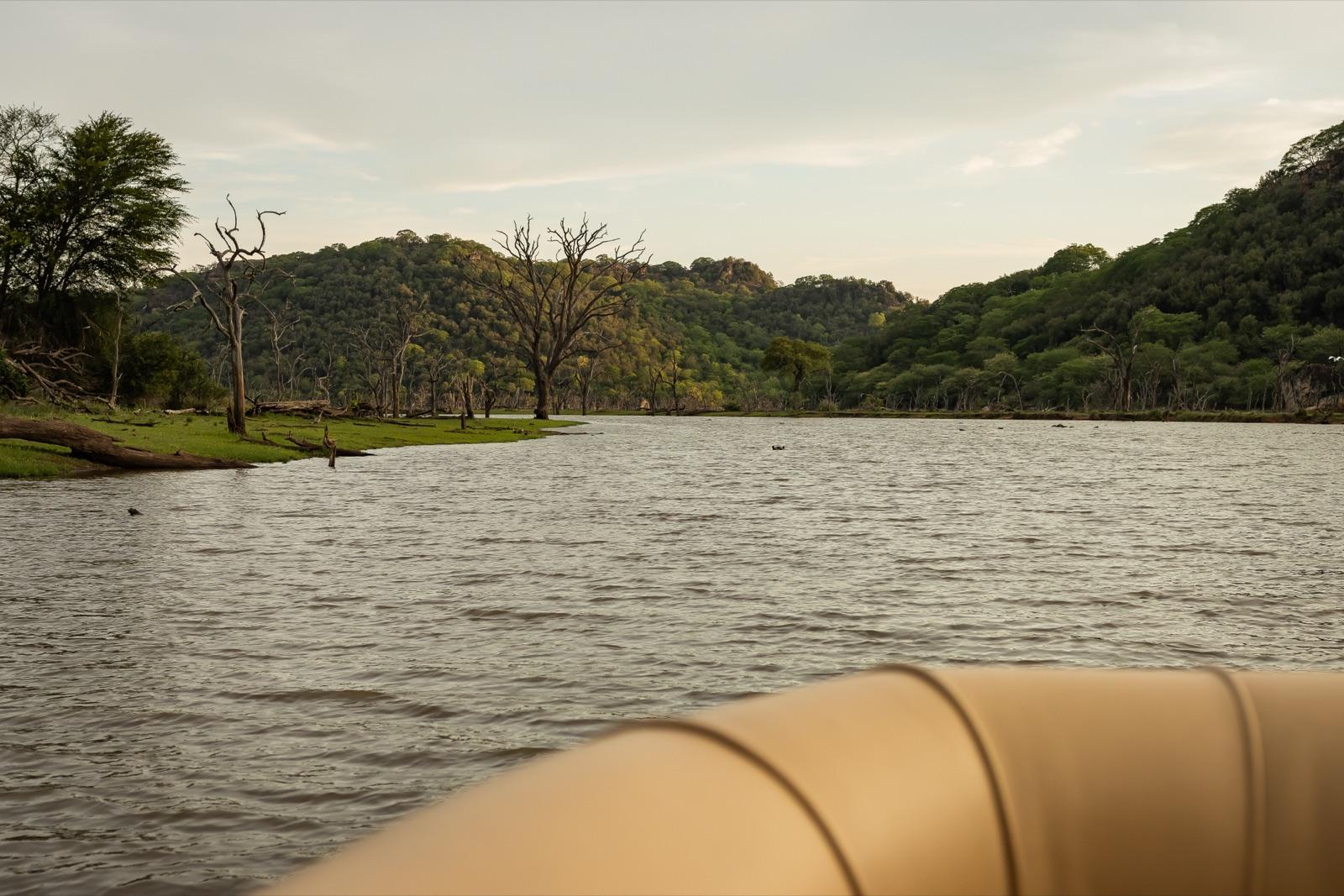
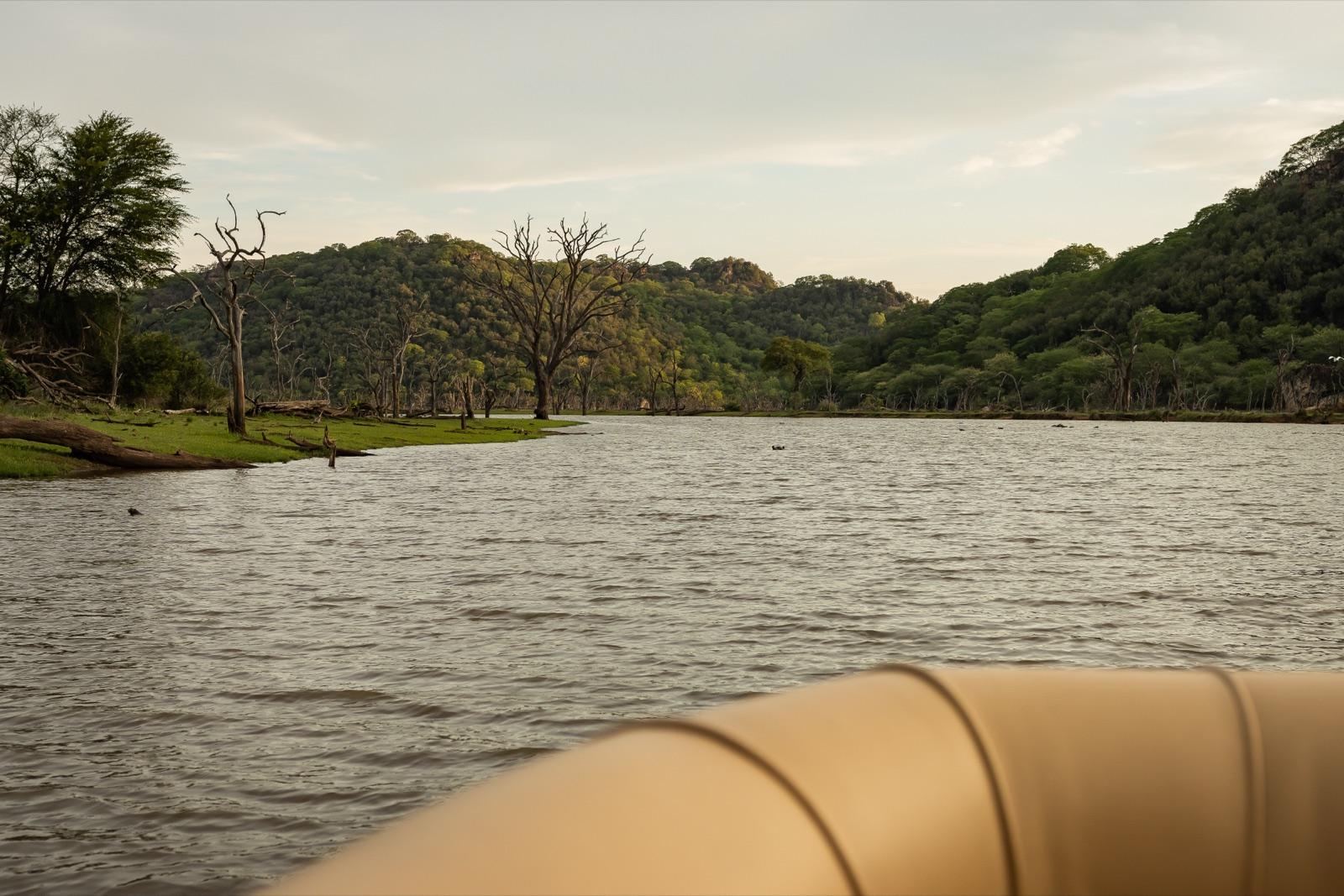
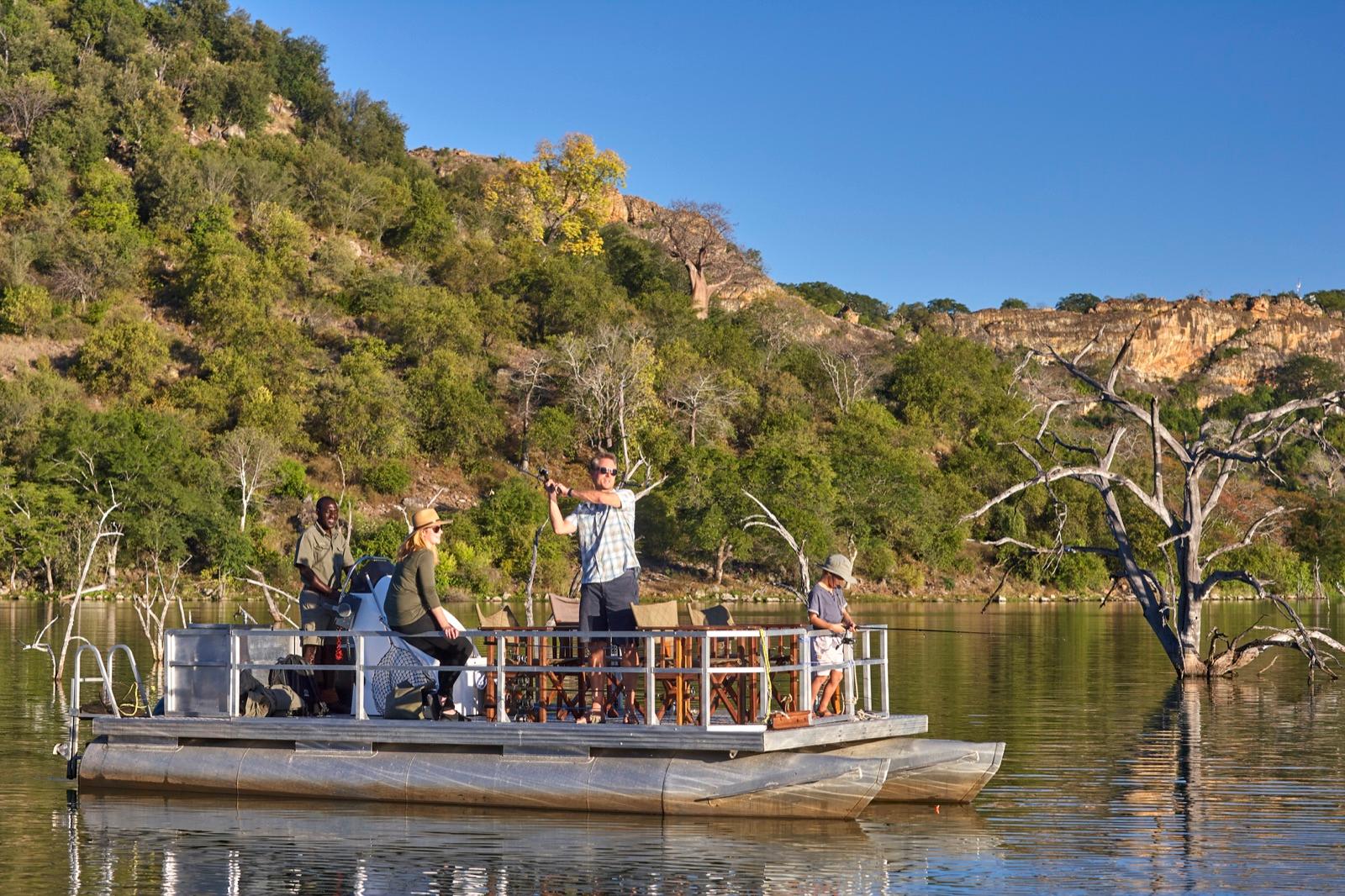
The Malilangwe Dam, a 1,500-acre lake, lies just below the lodge. The G3 Sun Catcher, which seats ten, runs sundowner cruises on it, and the water holds tigerfish, bream and catfish for guests who want a rod in hand.
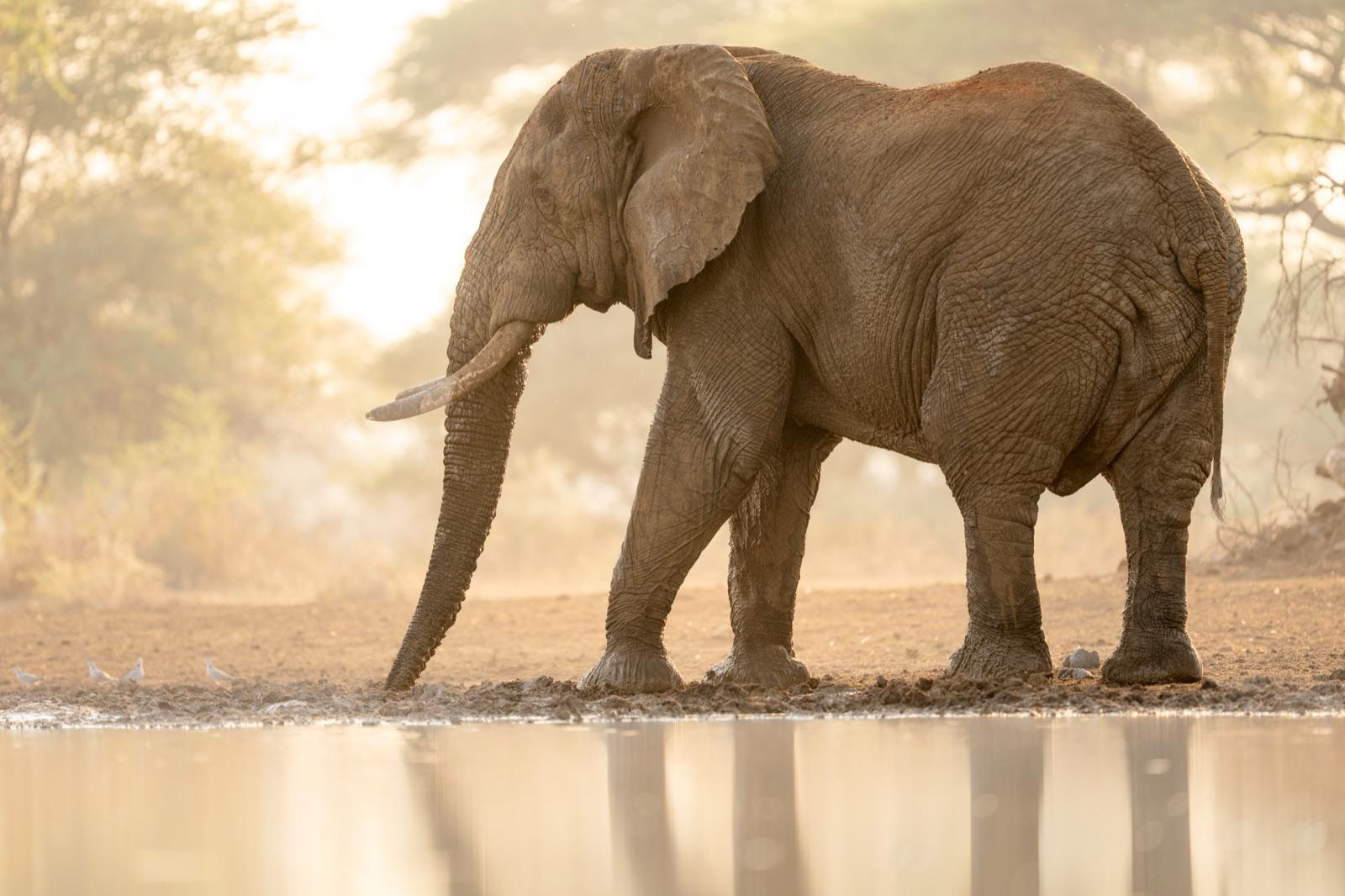
Gonarezhou National Park, the Place of Elephants, borders the reserve and makes a full-day excursion. Zimbabwe's second-largest park, it holds more than 10,000 elephants and the red Chilojo Cliffs, reached with a Singita guide and packed meals, seasonally and by road conditions.
On longer stays, a day's drive reaches Great Zimbabwe, a UNESCO World Heritage Site and the stone capital of a kingdom that traded across the Indian Ocean between the 11th and 15th centuries. Chinese and Persian porcelain has been recovered from its ruins.
An hour from the reserve, a Shangaan community runs the Kambako living history experience, teaching fire-making, weaving and the bow, with local dishes to taste. It is led by the community itself.
The Malilangwe Trust, established in 1994 and supported by Tusk, restored the land from a cattle ranch and runs the conservation, anti-poaching and community programmes that keep the reserve as it is. A community visit to its schools, clinic and nutritional gardens can be arranged.
Treatments here draw on what the land gives: Malilangwe's therapies use sadza, the local maize meal, and are taken in your suite, on your deck or at the wellness centre, with no fixed spa menu to follow. Personalised yoga, breathwork and quiet sessions in the open are arranged with a practitioner, and a day can be as slow as an afternoon on the deck with the bush for company.
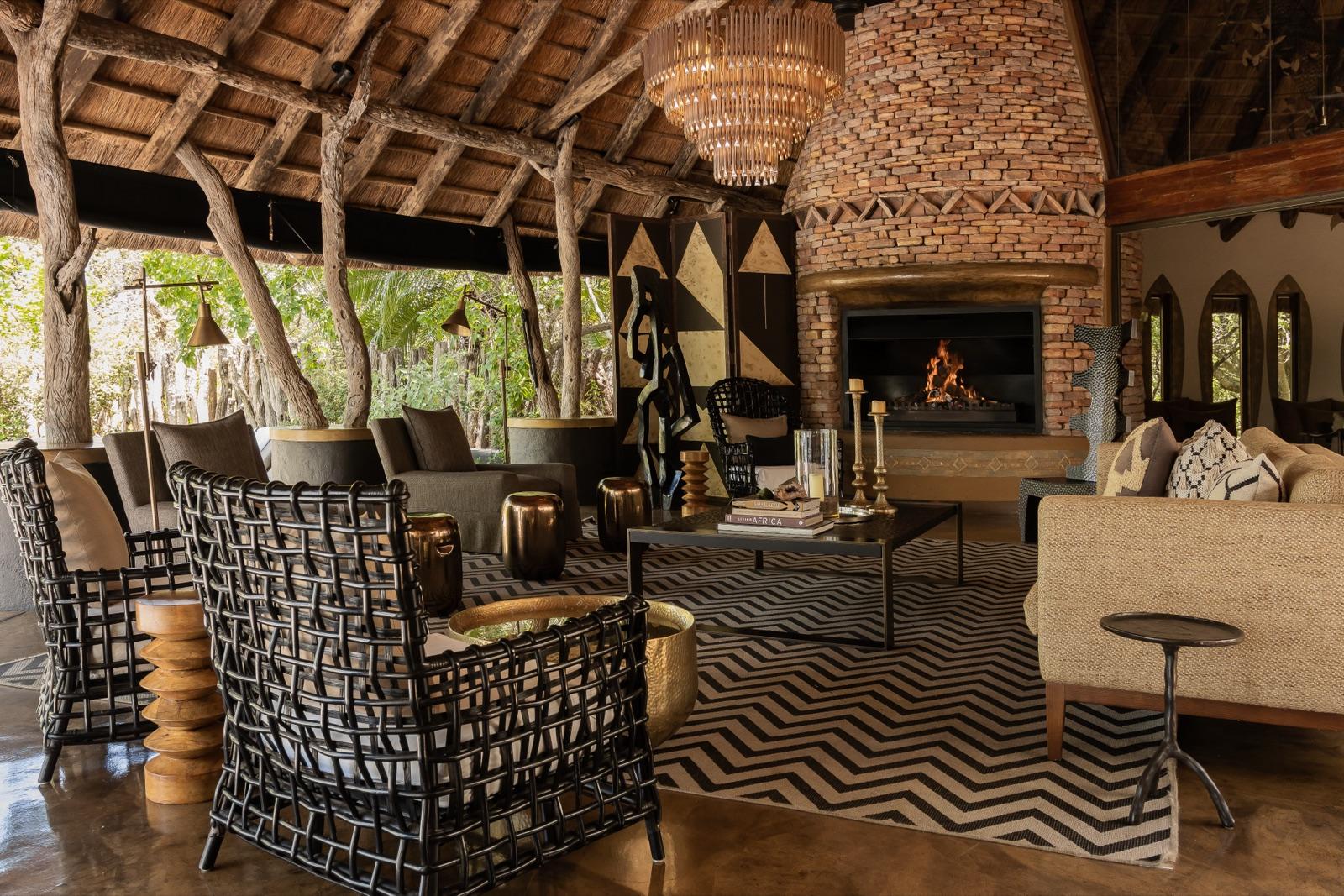
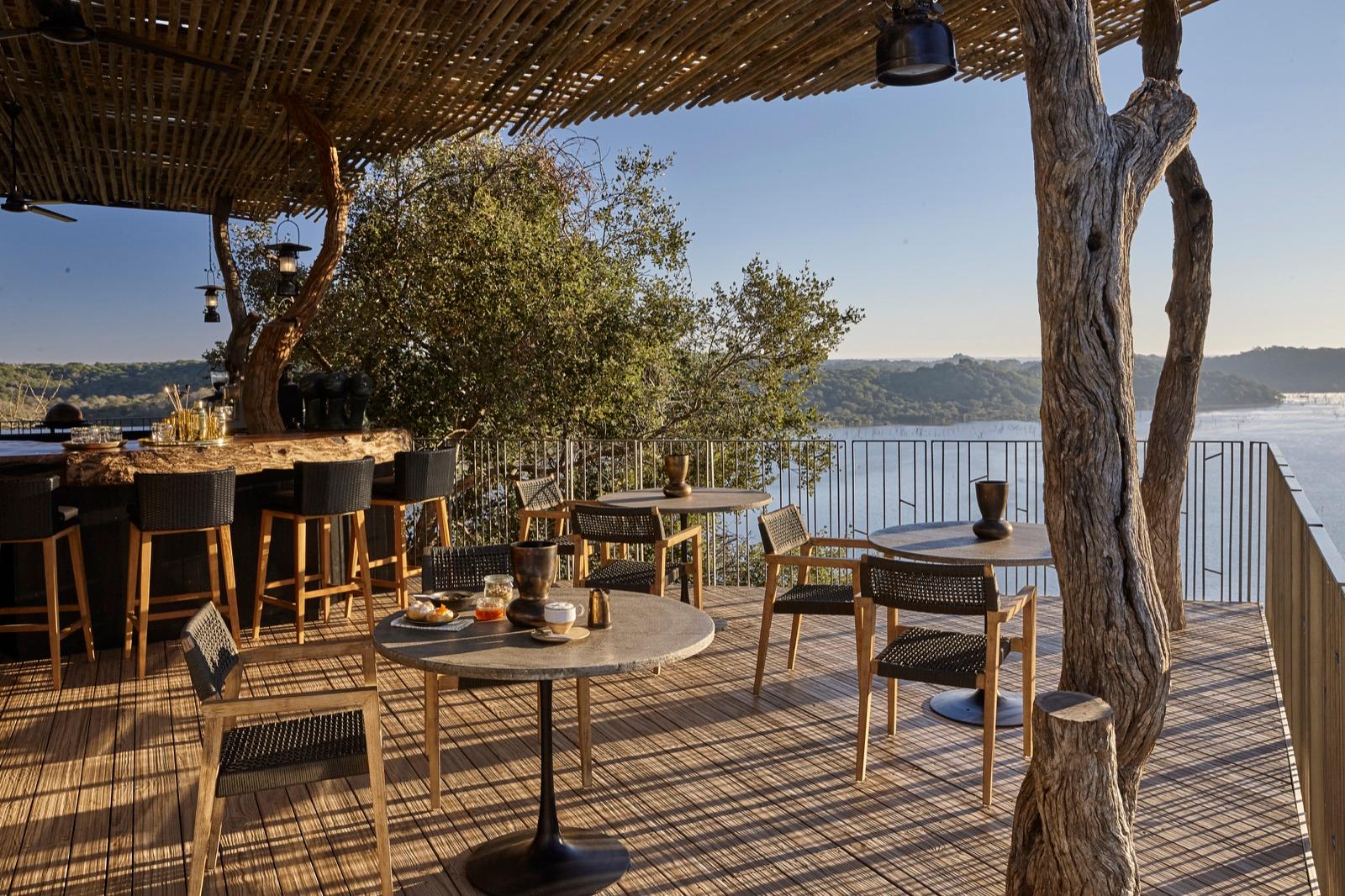
The cellar's wines are poured on the deck before dinner, and the Conservation Room tells the reserve's natural and human history through a wall you read with your hands. The boutique carries carvings and prints made by local hands. After dark, with almost no light between the lodge and the horizon, the stars come out in full.
Two-bedroom and family suites, plus a family activities programme, make the lodge workable for multi-generational groups. Ages for walks, tracking and boat activities are set by the guides for safety.
The days follow the reserve's own priorities. Mornings and late afternoons are for game drives across ground you rarely share, with a midday session possible in the Hwata hide when the light and the heat suit it. On the day set aside for it, you leave the vehicle and go after black rhino on foot, an armed guide ahead.
The rock art is the reserve's quieter signature, walked to in the cool of the morning. Below the lodge the Malilangwe Dam draws game to the water at dusk, when a boat can replace the afternoon drive.
Remoteness is the frame around all of it. This is the only lodge on a reserve of baobab country and granite ridge, reached by light aircraft, far enough from the rest of the safari map that it rarely feels visited at all. Six nights leaves room for the rhino, the art and the water, with a full day at Gonarezhou for those who want it.
Request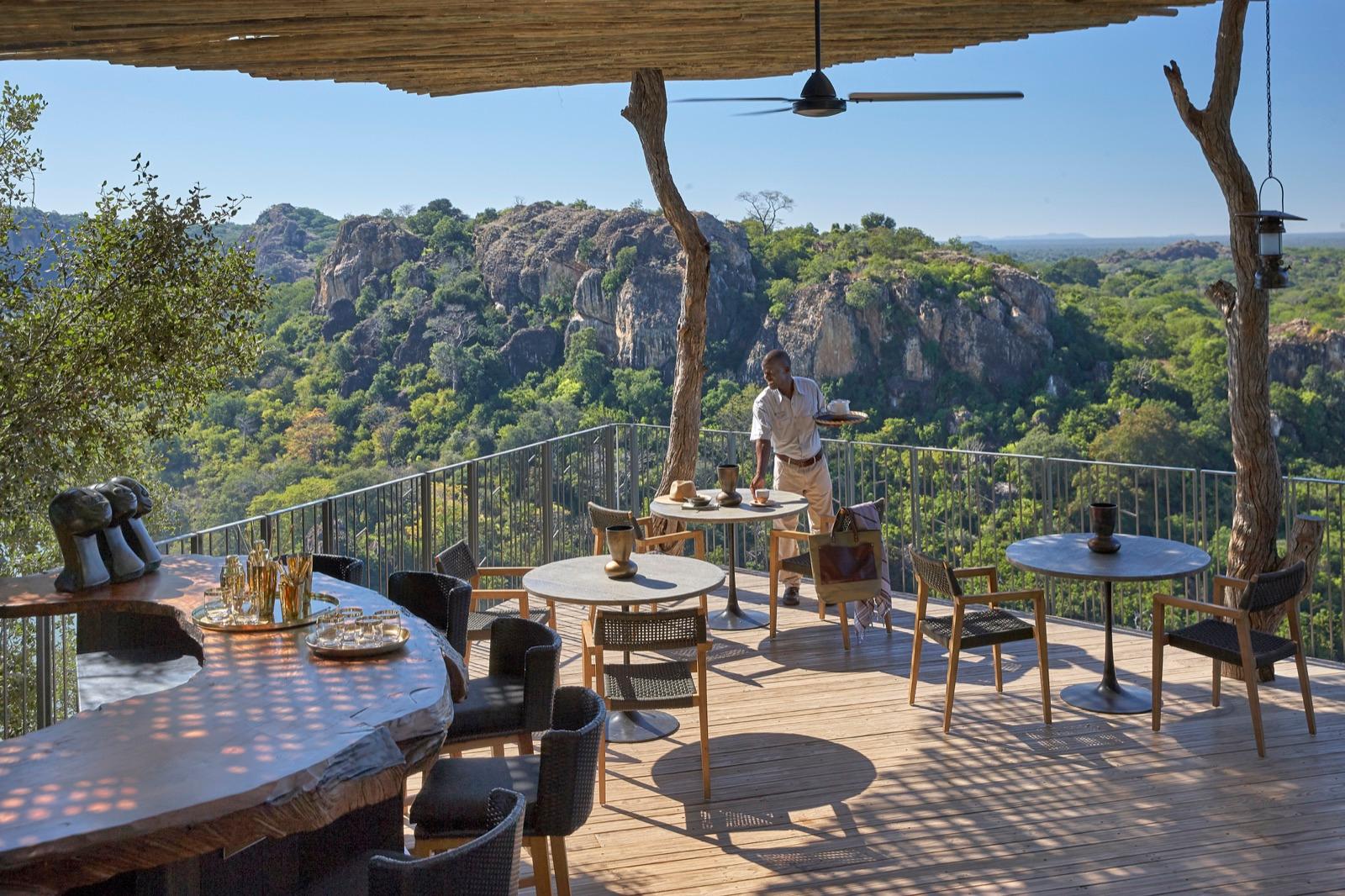
This is a sample structure for six nights at Pamushana. The final programme is adjusted around rhino movement and tracking conditions, flight days, weather, the ages in your party and the off-site excursions you choose, in agreement with the lodge.
Arrive at Buffalo Range by scheduled Federal Air flight from Johannesburg, or by private charter to Lonestar airstrip, 12 minutes from the lodge. A road transfer to Pamushana and a handwashing welcome, then the afternoon is yours for the suite, its pool or a first massage at the wellness centre. A sundowner on the terrace above the lake as the light drops, then dinner, the bush loud after nightfall.
A full day on the reserve begins with a morning drive across open ground, moves into the concealed Hwata hide at midday for close, eye-level photography, and ends with a second drive in the late afternoon. Back at the lodge, a tasting from the cellar on the deck before dinner.
This is the morning everything else makes room for. Out early with a guide and tracker to follow black rhino on foot, reading spoor and wind, approaching quietly and on the animals' terms. Sightings are never guaranteed, and the tracking itself is the reward. An easy afternoon back at the lodge, a treatment or the plunge pool, or a second short walk for those who want it.
A morning walk to the reserve's rock art, read with a guide and usually seen without another visitor. In the afternoon, the Sun Catcher takes to the lake for a cruise, with tigerfish for anyone who wants to fish. Sundowners on the water.
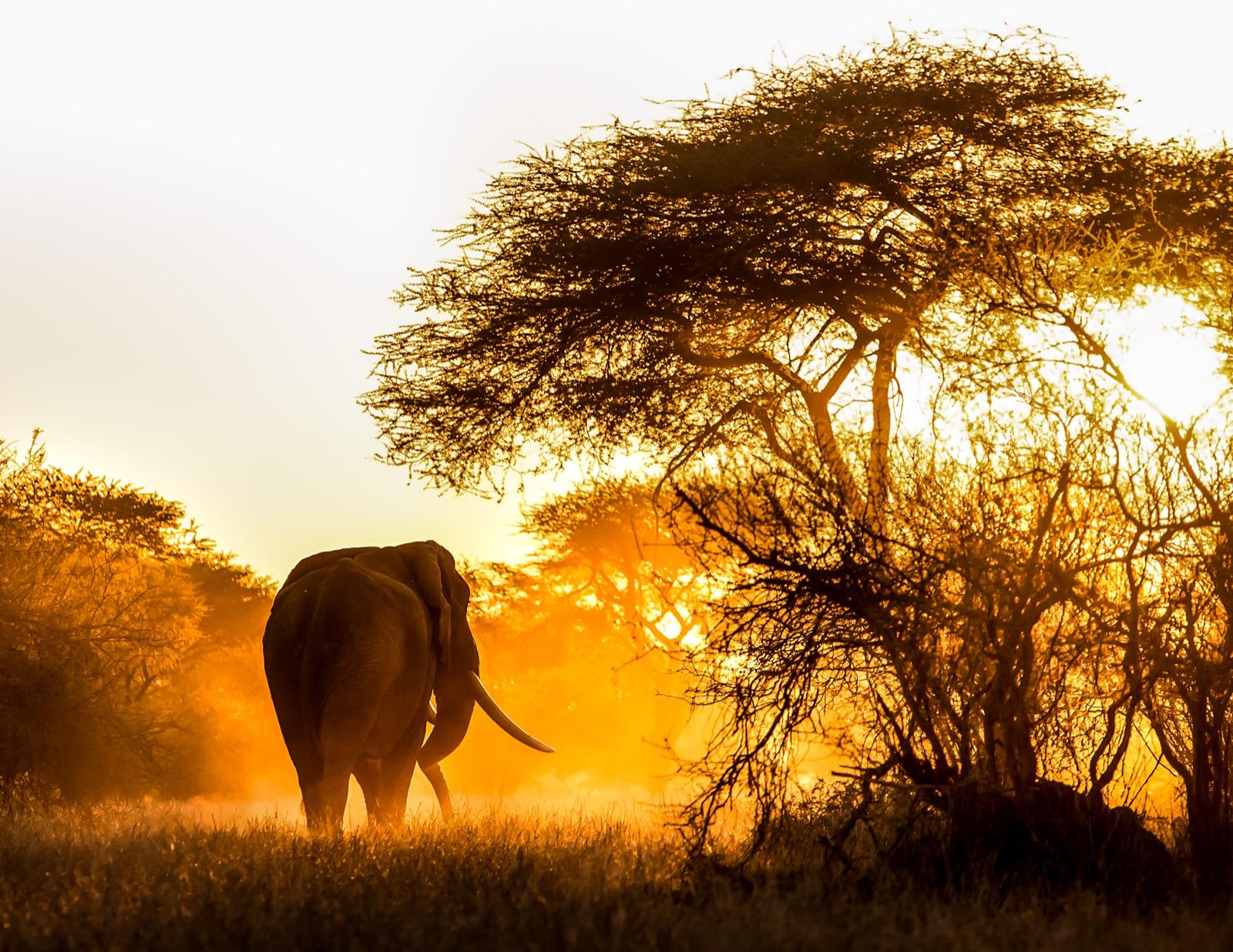
A full-day excursion to Gonarezhou National Park for the red Chilojo Cliffs and its elephant herds, with a Singita guide and packed meals, seasonal and weather permitting. For those staying on the reserve, a second morning on foot and an afternoon in the hide.
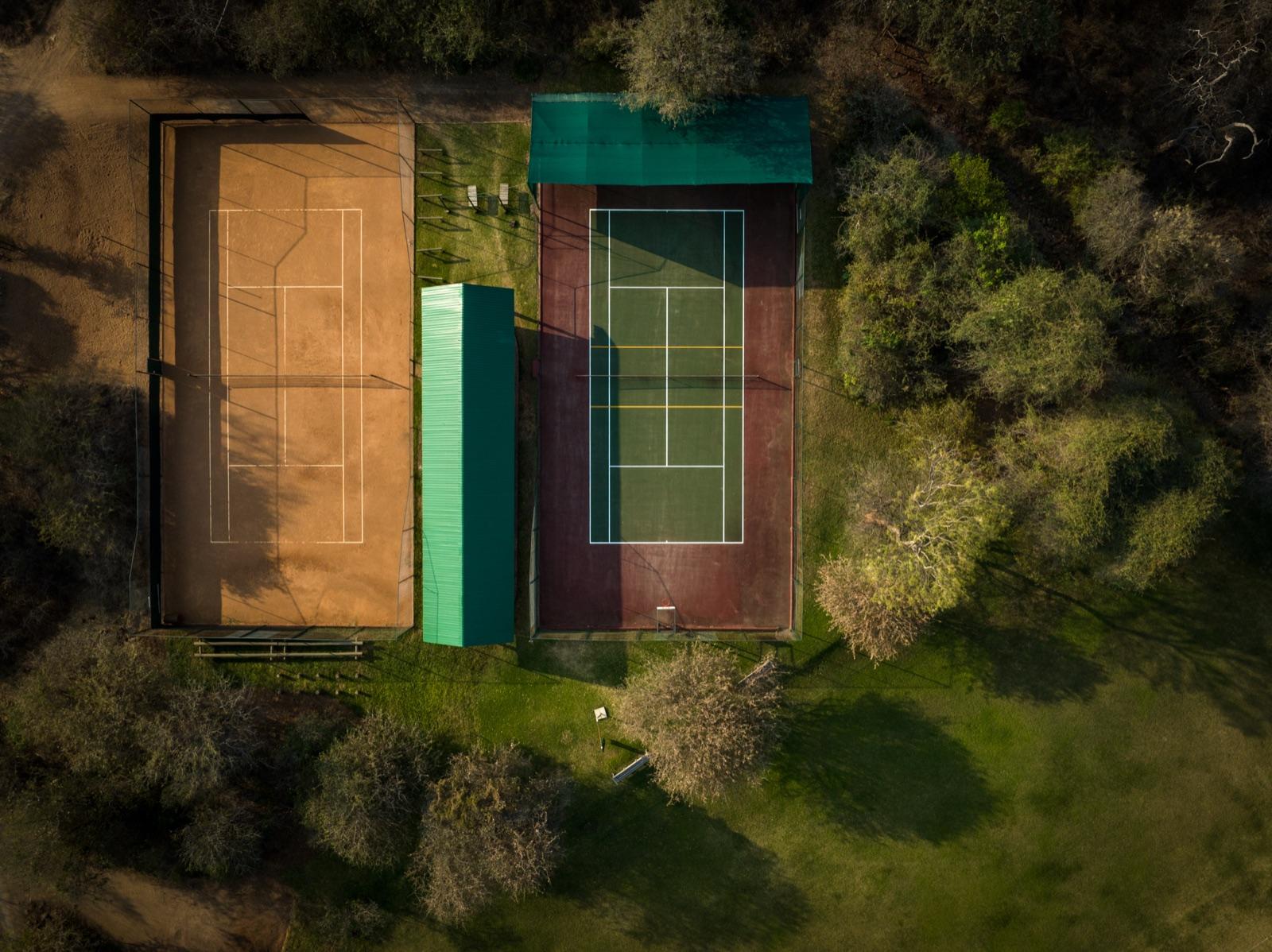
A flexible day. Options include the Kambako living history experience with a Shangaan community an hour away, a Malilangwe Trust visit to the schools, clinic and gardens, archery, tennis, a wellness treatment or yoga in the open, or simply the suite and its plunge pool. A farewell bush dinner in the reserve.
A final drive at first light, breakfast at the lodge, then the road transfer to Buffalo Range for the Federal Air flight to Johannesburg, timed for onward connections that evening.
Arrive at Buffalo Range by scheduled Federal Air flight from Johannesburg, or by private charter to Lonestar airstrip, 12 minutes from the lodge. A road transfer to Pamushana and a handwashing welcome, then the afternoon is yours for the suite, its pool or a first massage at the wellness centre. A sundowner on the terrace above the lake as the light drops, then dinner, the bush loud after nightfall.
A full day on the reserve begins with a morning drive across open ground, moves into the concealed Hwata hide at midday for close, eye-level photography, and ends with a second drive in the late afternoon. Back at the lodge, a tasting from the cellar on the deck before dinner.
This is the morning everything else makes room for. Out early with a guide and tracker to follow black rhino on foot, reading spoor and wind, approaching quietly and on the animals' terms. Sightings are never guaranteed, and the tracking itself is the reward. An easy afternoon back at the lodge, a treatment or the plunge pool, or a second short walk for those who want it.
A morning walk to the reserve's rock art, read with a guide and usually seen without another visitor. In the afternoon, the Sun Catcher takes to the lake for a cruise, with tigerfish for anyone who wants to fish. Sundowners on the water.
A full-day excursion to Gonarezhou National Park for the red Chilojo Cliffs and its elephant herds, with a Singita guide and packed meals, seasonal and weather permitting. For those staying on the reserve, a second morning on foot and an afternoon in the hide.
A flexible day. Options include the Kambako living history experience with a Shangaan community an hour away, a Malilangwe Trust visit to the schools, clinic and gardens, archery, tennis, a wellness treatment or yoga in the open, or simply the suite and its plunge pool. A farewell bush dinner in the reserve.
A final drive at first light, breakfast at the lodge, then the road transfer to Buffalo Range for the Federal Air flight to Johannesburg, timed for onward connections that evening.
Arrive at Buffalo Range by scheduled Federal Air flight from Johannesburg, or by private charter to Lonestar airstrip, 12 minutes from the lodge. A road transfer to Pamushana and a handwashing welcome, then the afternoon is yours for the suite, its pool or a first massage at the wellness centre. A sundowner on the terrace above the lake as the light drops, then dinner, the bush loud after nightfall.
A full day on the reserve begins with a morning drive across open ground, moves into the concealed Hwata hide at midday for close, eye-level photography, and ends with a second drive in the late afternoon. Back at the lodge, a tasting from the cellar on the deck before dinner.
This is the morning everything else makes room for. Out early with a guide and tracker to follow black rhino on foot, reading spoor and wind, approaching quietly and on the animals' terms. Sightings are never guaranteed, and the tracking itself is the reward. An easy afternoon back at the lodge, a treatment or the plunge pool, or a second short walk for those who want it.
A morning walk to the reserve's rock art, read with a guide and usually seen without another visitor. In the afternoon, the Sun Catcher takes to the lake for a cruise, with tigerfish for anyone who wants to fish. Sundowners on the water.
A full-day excursion to Gonarezhou National Park for the red Chilojo Cliffs and its elephant herds, with a Singita guide and packed meals, seasonal and weather permitting. For those staying on the reserve, a second morning on foot and an afternoon in the hide.
A flexible day. Options include the Kambako living history experience with a Shangaan community an hour away, a Malilangwe Trust visit to the schools, clinic and gardens, archery, tennis, a wellness treatment or yoga in the open, or simply the suite and its plunge pool. A farewell bush dinner in the reserve.
A final drive at first light, breakfast at the lodge, then the road transfer to Buffalo Range for the Federal Air flight to Johannesburg, timed for onward connections that evening.
Arrive at Buffalo Range by scheduled Federal Air flight from Johannesburg, or by private charter to Lonestar airstrip, 12 minutes from the lodge. A road transfer to Pamushana and a handwashing welcome, then the afternoon is yours for the suite, its pool or a first massage at the wellness centre. A sundowner on the terrace above the lake as the light drops, then dinner, the bush loud after nightfall.
A full day on the reserve begins with a morning drive across open ground, moves into the concealed Hwata hide at midday for close, eye-level photography, and ends with a second drive in the late afternoon. Back at the lodge, a tasting from the cellar on the deck before dinner.
This is the morning everything else makes room for. Out early with a guide and tracker to follow black rhino on foot, reading spoor and wind, approaching quietly and on the animals' terms. Sightings are never guaranteed, and the tracking itself is the reward. An easy afternoon back at the lodge, a treatment or the plunge pool, or a second short walk for those who want it.
A morning walk to the reserve's rock art, read with a guide and usually seen without another visitor. In the afternoon, the Sun Catcher takes to the lake for a cruise, with tigerfish for anyone who wants to fish. Sundowners on the water.
A full-day excursion to Gonarezhou National Park for the red Chilojo Cliffs and its elephant herds, with a Singita guide and packed meals, seasonal and weather permitting. For those staying on the reserve, a second morning on foot and an afternoon in the hide.
A flexible day. Options include the Kambako living history experience with a Shangaan community an hour away, a Malilangwe Trust visit to the schools, clinic and gardens, archery, tennis, a wellness treatment or yoga in the open, or simply the suite and its plunge pool. A farewell bush dinner in the reserve.
A final drive at first light, breakfast at the lodge, then the road transfer to Buffalo Range for the Federal Air flight to Johannesburg, timed for onward connections that evening.
Arrive at Buffalo Range by scheduled Federal Air flight from Johannesburg, or by private charter to Lonestar airstrip, 12 minutes from the lodge. A road transfer to Pamushana and a handwashing welcome, then the afternoon is yours for the suite, its pool or a first massage at the wellness centre. A sundowner on the terrace above the lake as the light drops, then dinner, the bush loud after nightfall.
A full day on the reserve begins with a morning drive across open ground, moves into the concealed Hwata hide at midday for close, eye-level photography, and ends with a second drive in the late afternoon. Back at the lodge, a tasting from the cellar on the deck before dinner.
This is the morning everything else makes room for. Out early with a guide and tracker to follow black rhino on foot, reading spoor and wind, approaching quietly and on the animals' terms. Sightings are never guaranteed, and the tracking itself is the reward. An easy afternoon back at the lodge, a treatment or the plunge pool, or a second short walk for those who want it.
A morning walk to the reserve's rock art, read with a guide and usually seen without another visitor. In the afternoon, the Sun Catcher takes to the lake for a cruise, with tigerfish for anyone who wants to fish. Sundowners on the water.
A full-day excursion to Gonarezhou National Park for the red Chilojo Cliffs and its elephant herds, with a Singita guide and packed meals, seasonal and weather permitting. For those staying on the reserve, a second morning on foot and an afternoon in the hide.
A flexible day. Options include the Kambako living history experience with a Shangaan community an hour away, a Malilangwe Trust visit to the schools, clinic and gardens, archery, tennis, a wellness treatment or yoga in the open, or simply the suite and its plunge pool. A farewell bush dinner in the reserve.
A final drive at first light, breakfast at the lodge, then the road transfer to Buffalo Range for the Federal Air flight to Johannesburg, timed for onward connections that evening.
Malilangwe was a cattle ranch before it was a wildlife reserve. In 1994 the Malilangwe Trust was formed to restore the land, and over the following three decades, with support from the conservation charity Tusk, it rebuilt the reserve's biodiversity across 115,000 acres of the Zimbabwean lowveld. In 1998 the Trust reintroduced 28 black and 15 white rhino. Both populations have grown to globally significant numbers, and Malilangwe now supplies rhino to restock reserves elsewhere on the continent.
Pamushana is the reserve's only lodge, eight suites on a sandstone ridge above the Malilangwe Dam, and it exists to fund the work around it. The rock art in the sandstone predates the Trust by two millennia. San hunter-gatherers painted the oldest of it, using ochre and quills, and among the animals they left on the rock is the eland, sacred to the San as a sign of rain and fertility. Later Khoi-San herders and Bantu-speaking farmers added their own, and carbon dating at two of the sites places the paintings between 700 and 2,000 years old.
What the reserve gives back is the chance to do the two hardest things to arrange in Africa, and to do them almost alone. On the morning set aside for rhino, you leave the vehicle and walk. The guide reads the wind and slows the group to a stop, and somewhere ahead in the mopane a black rhino browses, close enough to hear it breathe, on ground it has been given back.
Starting from USD 28,740
Our team will confirm your dates and suite configuration, the rhino tracking and walking arrangements, the Federal Air or charter connections through Johannesburg, the Gonarezhou and Kambako excursions if you want them, and any exclusive-use option ahead of arrival.
Request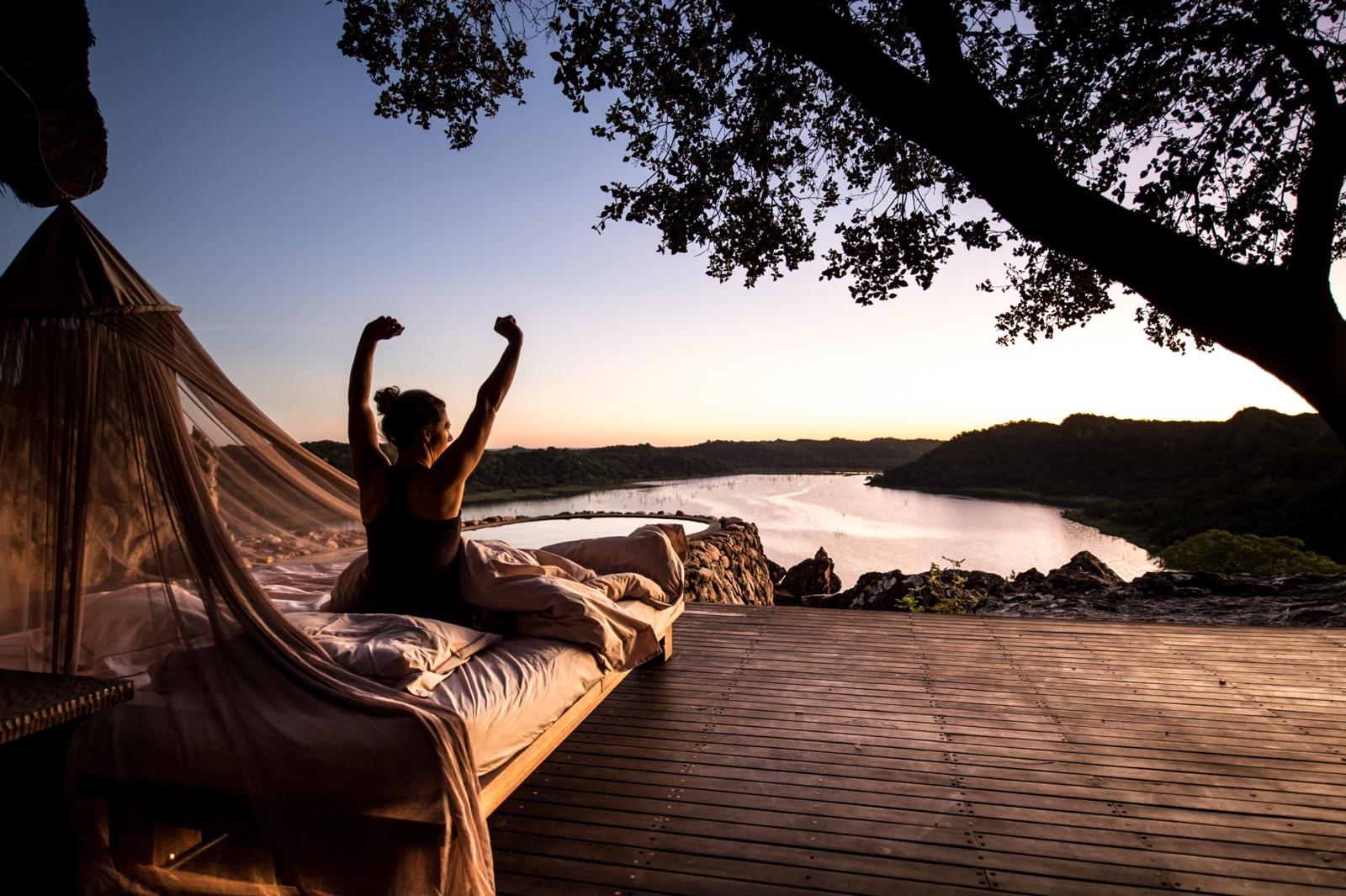
English is an official language and widely spoken. The US dollar is used for tourism, and the lodge settles extras to your account. Carry some cash in small US notes for tips and community purchases.
Central Africa Time, GMT+2, with no daylight saving.
Game viewing is strong year-round. The dry season from May to October concentrates wildlife around water and suits tracking and drives. The green season from November to April brings rain, young animals and heavy afternoon light; some off-site excursions are seasonal.
Most visitors need a visa for Zimbabwe, available on arrival or online in advance depending on nationality. Check current requirements and ensure at least six months' passport validity and blank pages.
International flights arrive into OR Tambo, Johannesburg. Federal Air connects to Buffalo Range on Mondays and Thursdays, then a 45-minute road transfer. Private charters land at Lonestar, 12 minutes from the reserve.
Neutral, layered clothing for cool early mornings and warm days, sturdy closed shoes for walking, sun protection, binoculars, a camera for the hide, and any personal medication. Malaria prophylaxis is advised; consult your doctor.
Malilangwe is a malaria area; take precautions. This is a remote reserve reached by light aircraft, so allow time around flight days. Rhino tracking and off-site excursions depend on conditions and are confirmed with the lodge.
A selection of other experiences in Malilangwe Reserve, chosen with the same care as everything else on this platform.
Discover Experiences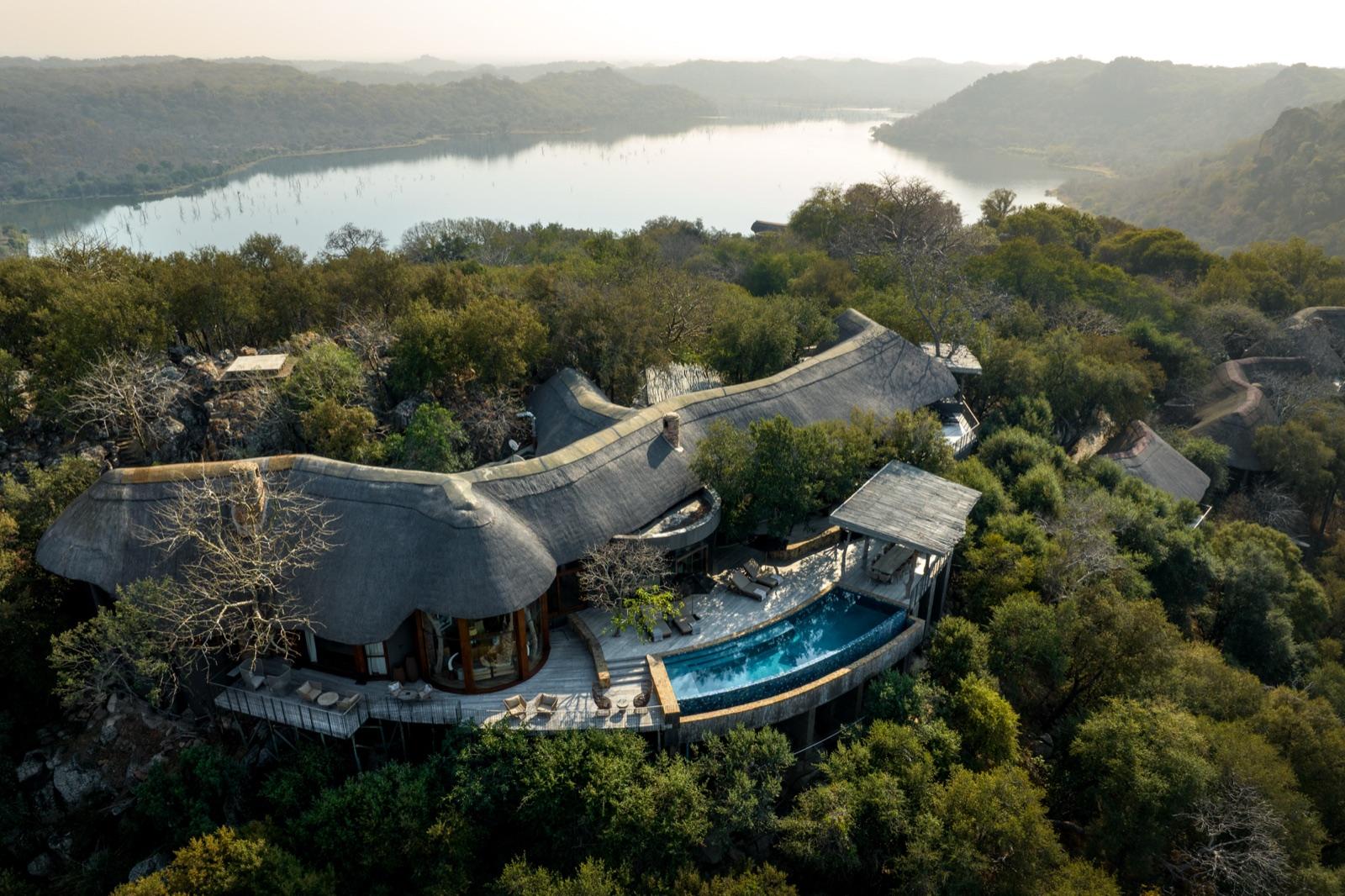
Four nights of exclusive-use safari on Zimbabwe's 115,000-acre Malilangwe Reserve, one private house and its whole staff held for a single family, with black rhino on foot, ancient rock art and a reserve to yourselves.
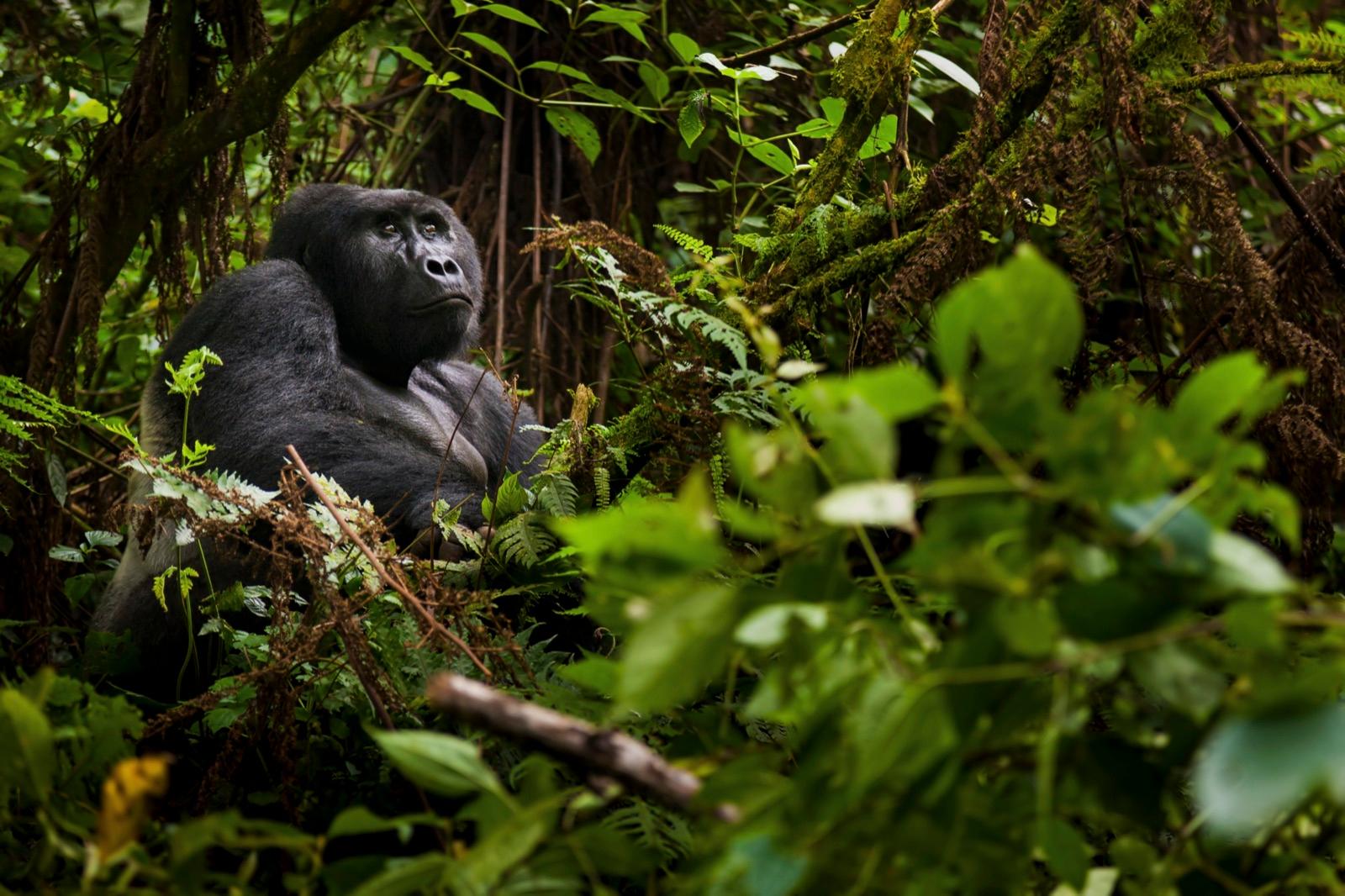
Eight days at Singita Kwitonda Lodge on the edge of Rwanda's Volcanoes National Park, two mountain gorilla treks including a private exclusive trek, with golden monkeys, Dian Fossey's legacy, conservation and long evenings beneath the Virungas.
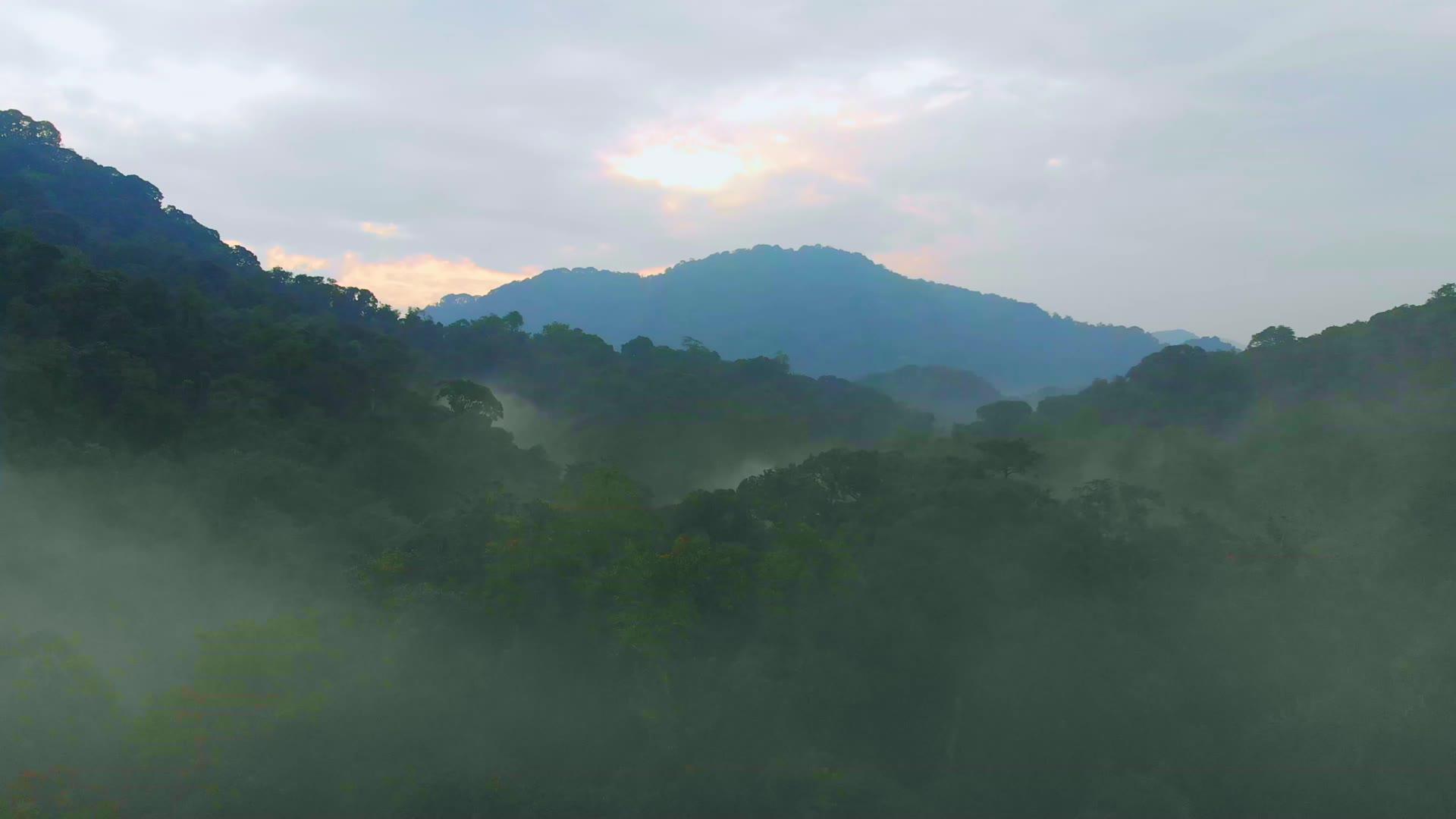
Eight days at Singita Kataza House, a private four-bedroom villa on the edge of Rwanda's Volcanoes National Park, built around two mountain gorilla treks including a private exclusive trek, with golden monkeys, conservation and the Virungas.