
The Conservancy
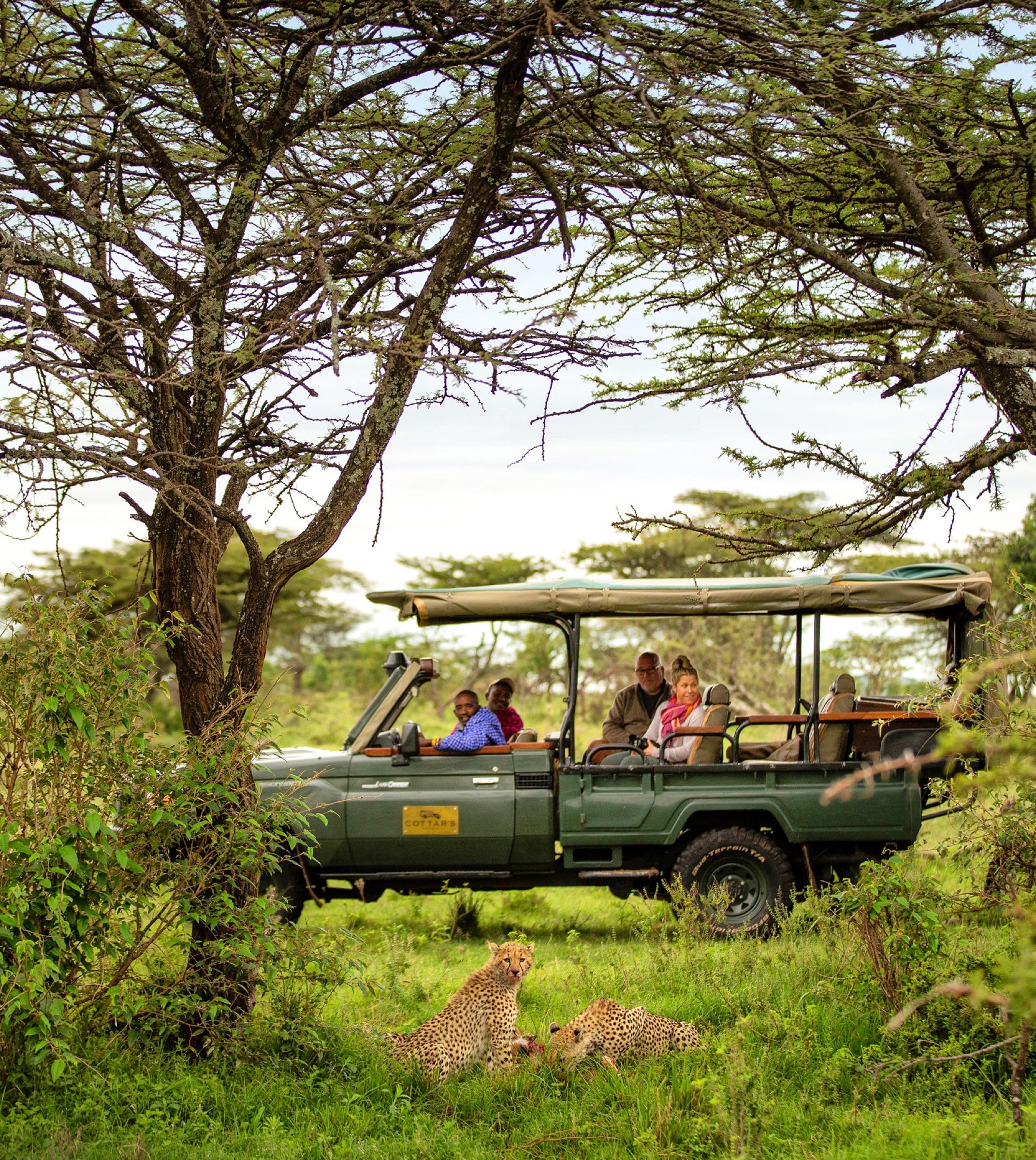
Olderkesi is a private conservancy in the south-east Maasai Mara ecosystem. The setting allows for walking, night drives, quiet routes and time away from the heavier traffic of the National Reserve.
Five nights at Cottar's 1920s Camp
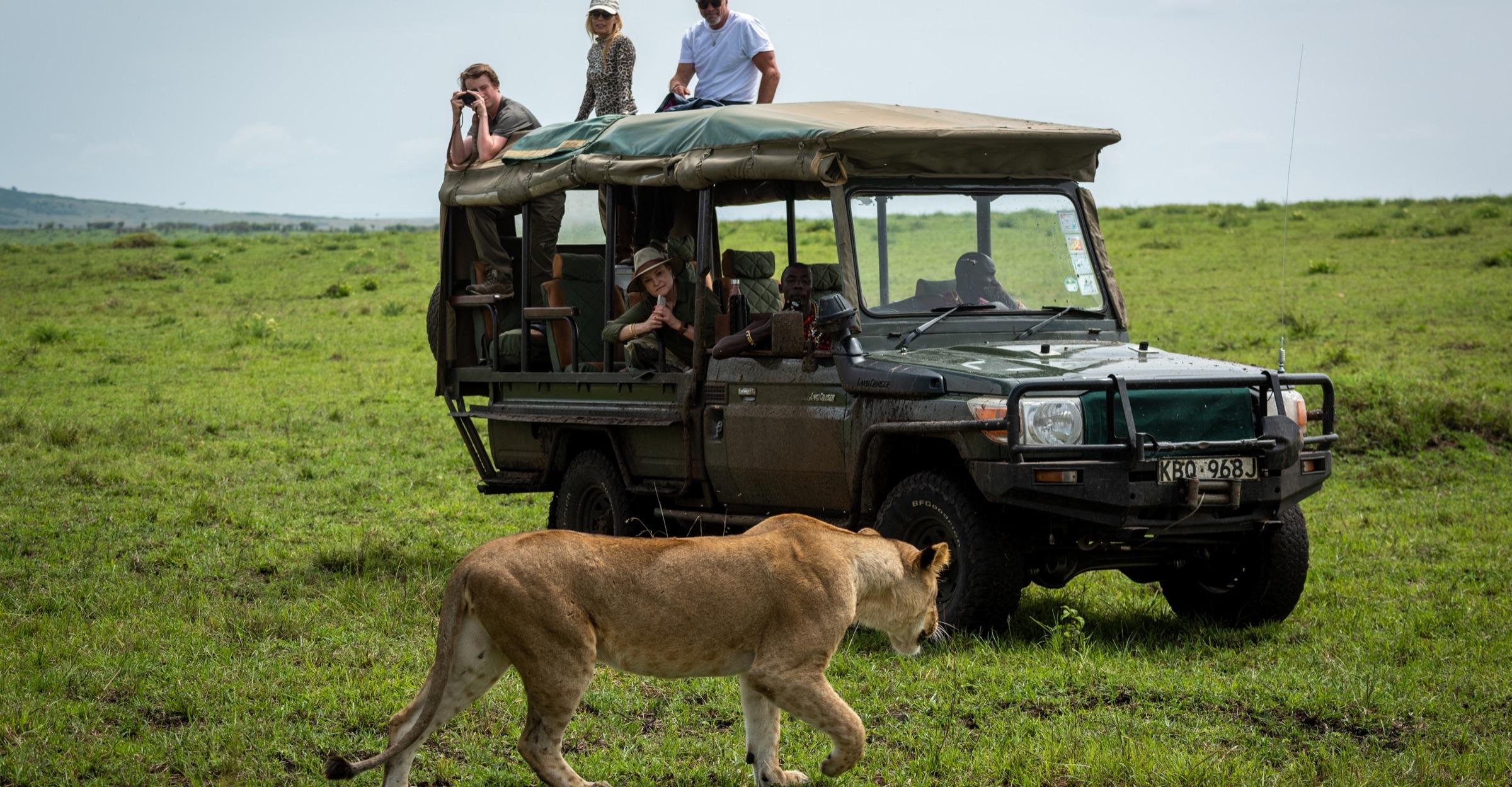
Five nights at Cottar's 1920s Camp in Kenya's private Olderkesi Conservancy, with early game drives, night drives, walking safari, wellness treatments, stargazing and time in the field with Maasai warriors. Set beside the Maasai Mara, this is a private safari shaped for guests who want space, serious guiding and a deeper understanding of the land they have come to see.
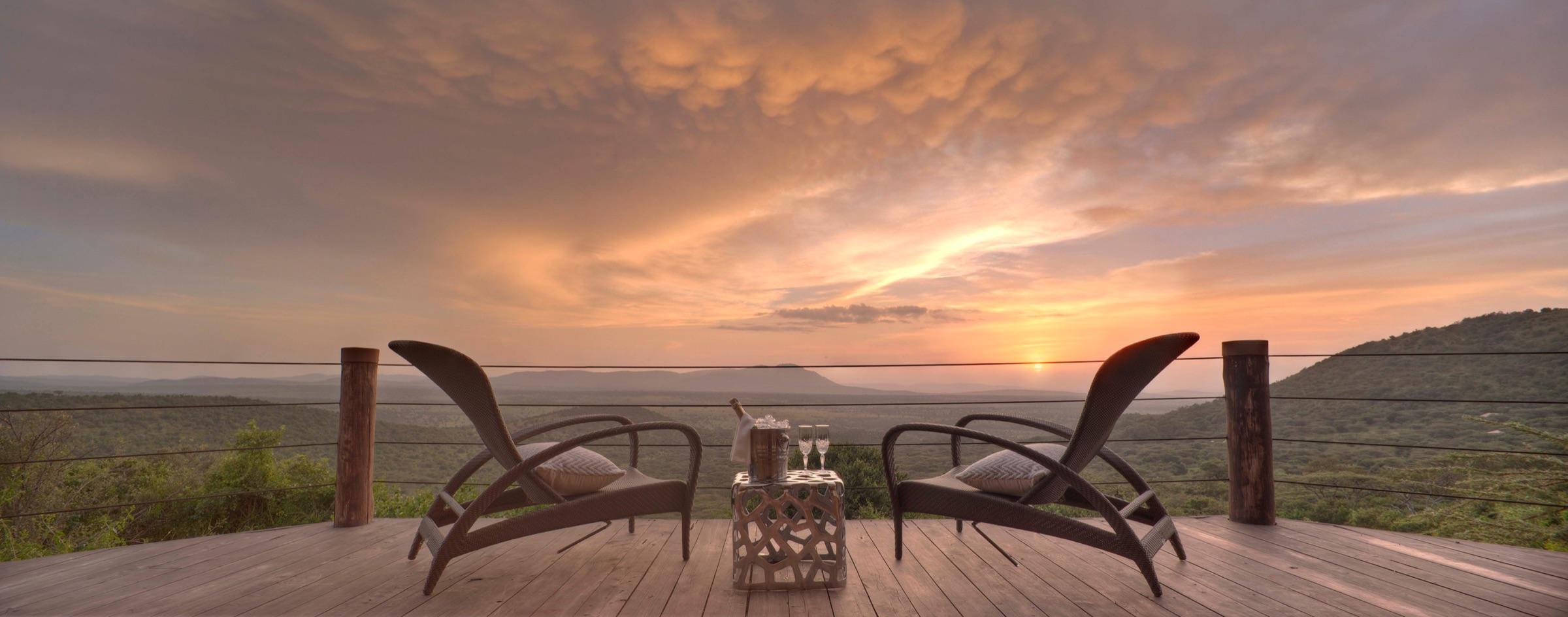
The Maasai Explorer is a private safari in one of the most meaningful corners of the Mara ecosystem. Days move between guided drives, walking with Maasai warriors, children's Warrior School, wellness treatments, stargazing and quiet meals back at camp. It is immersive without feeling demanding, refined without feeling staged, and shaped around a closer understanding of Olderkesi.
RequestOlderkesi is a private conservancy in the south-east Maasai Mara ecosystem. The setting allows for walking, night drives, quiet routes and time away from the heavier traffic of the National Reserve.
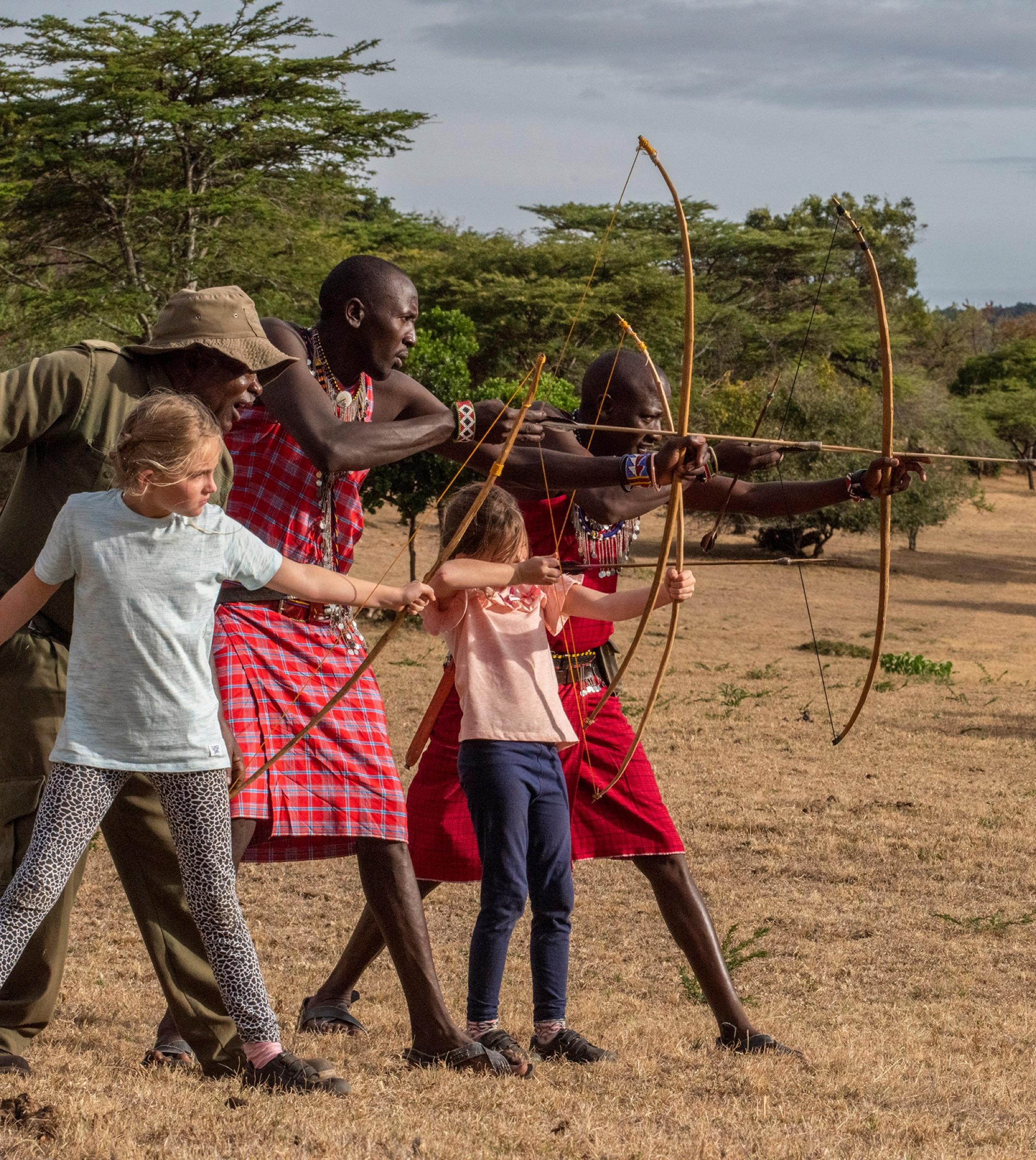
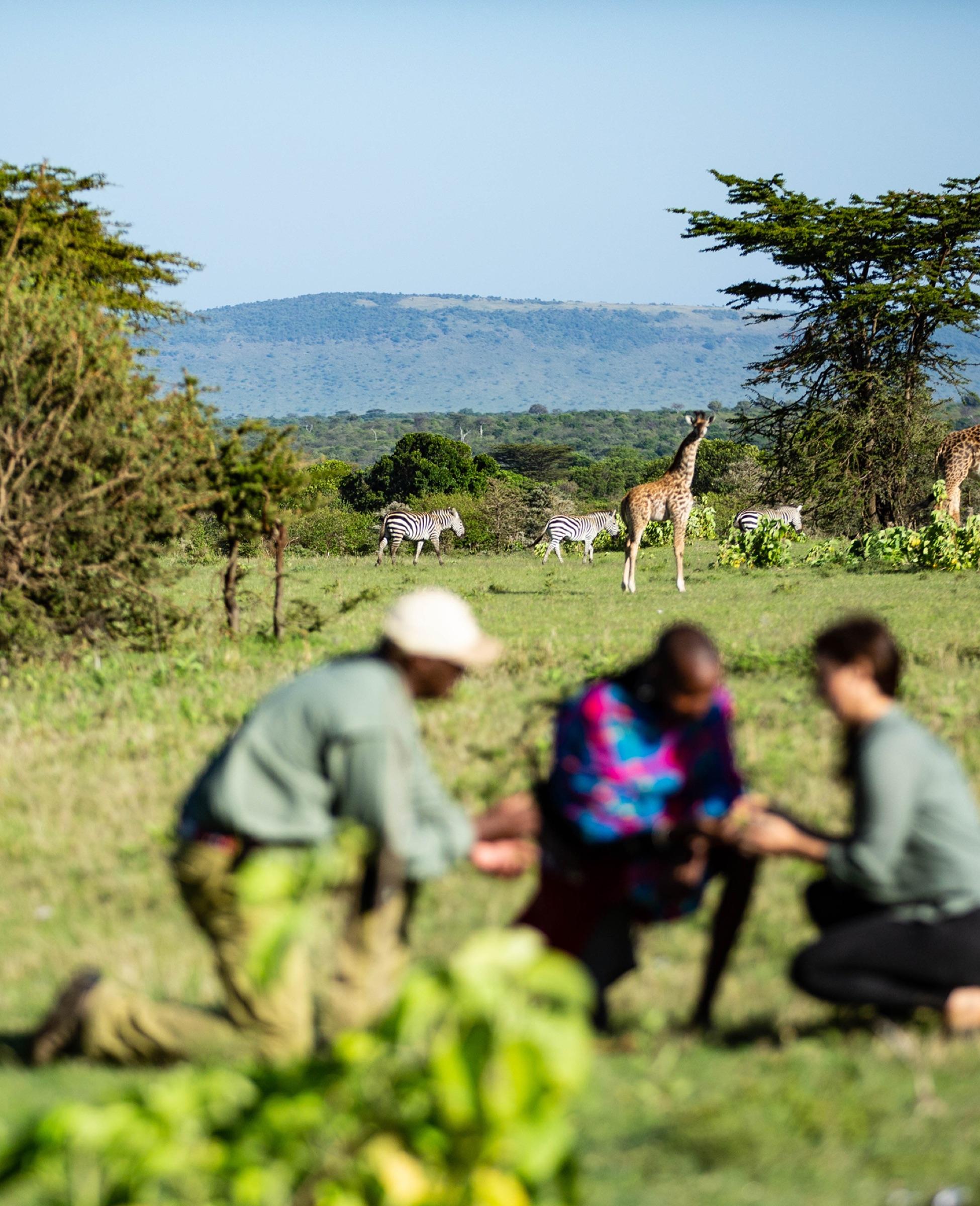
Guests spend time with Maasai warriors through walking safari, field-based learning and the children's Maasai Warrior School. Fire-making, spear-throwing, archery, tracking and bush awareness give the experience a human depth that is specific to this place.
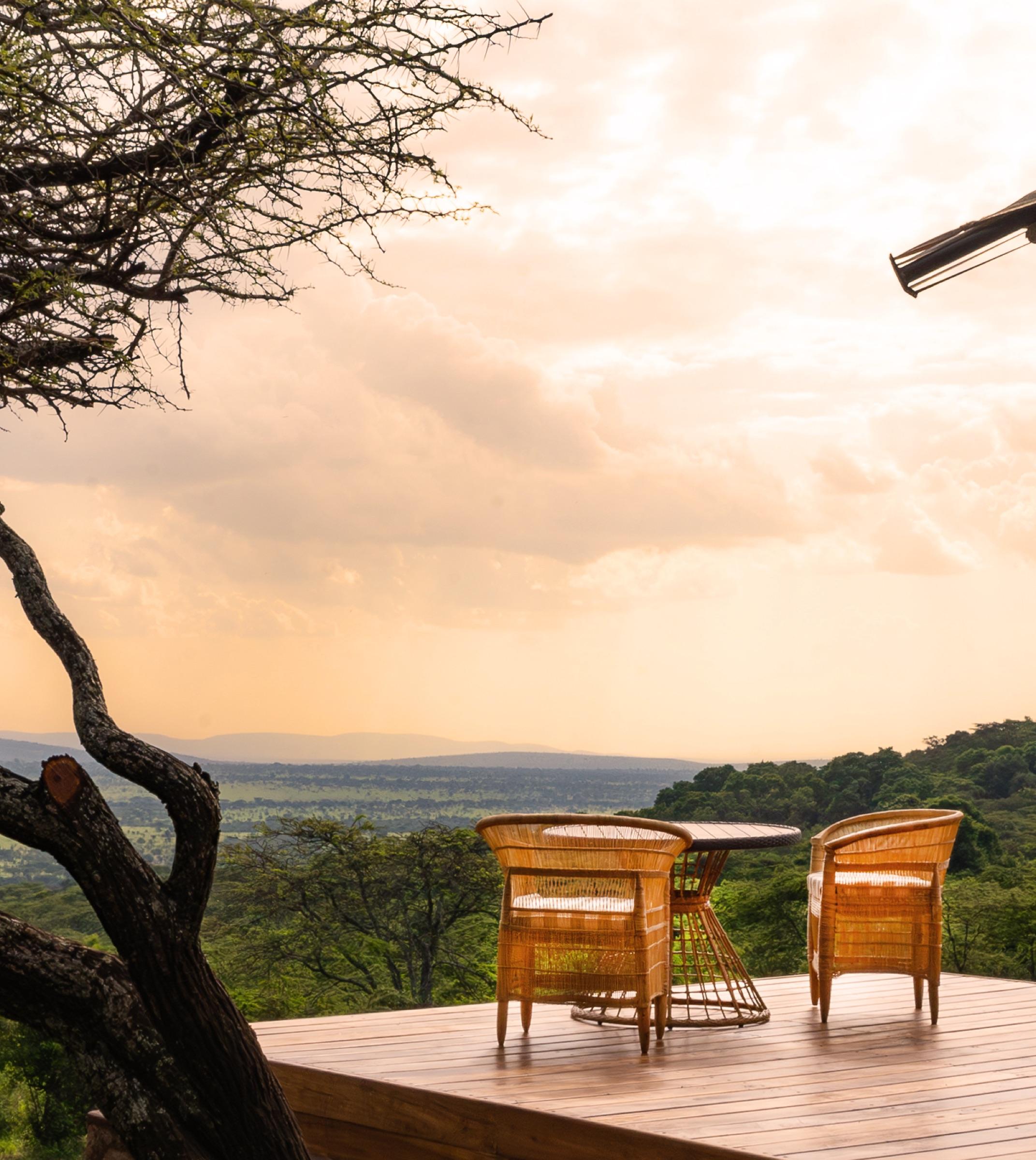
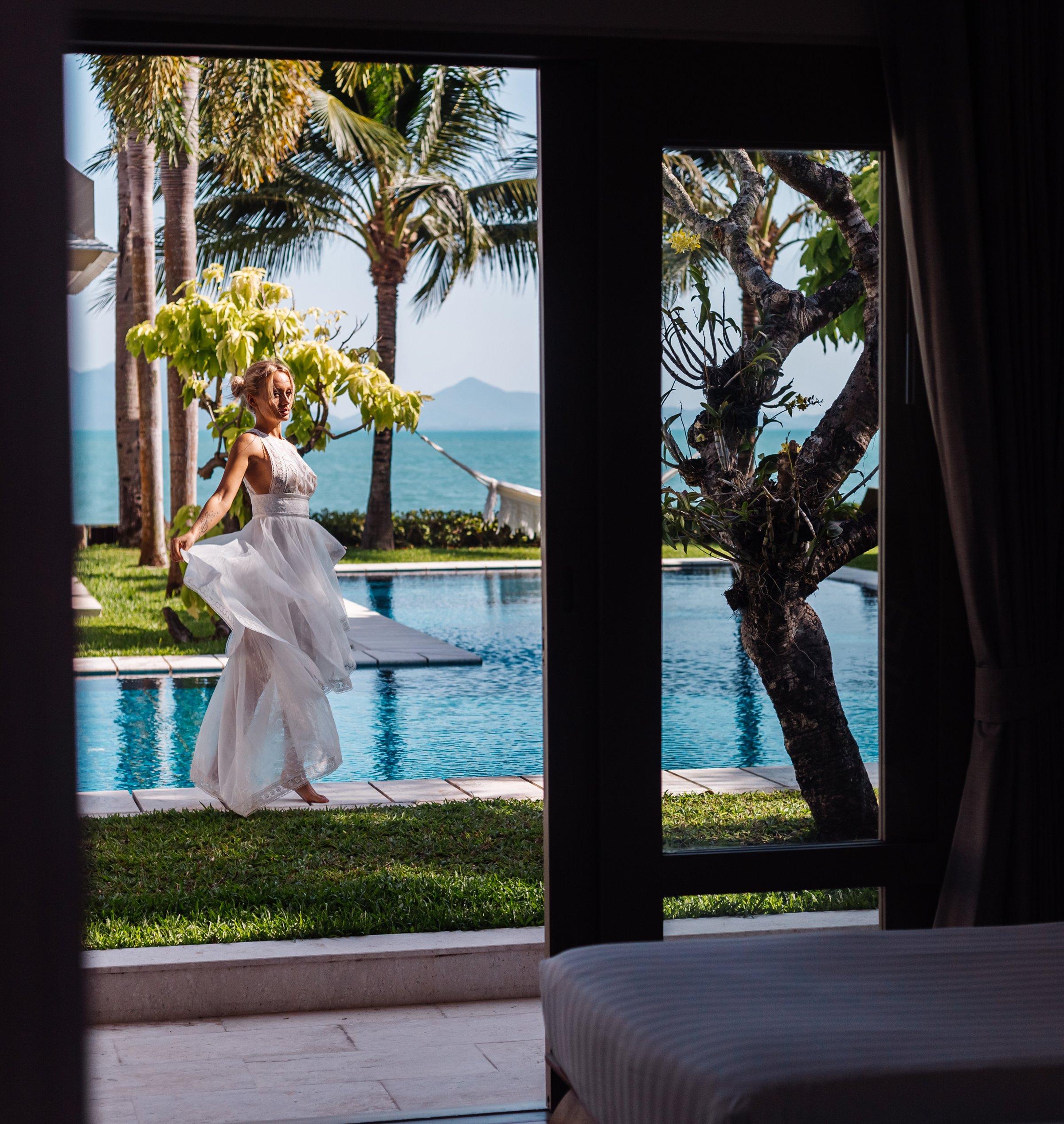
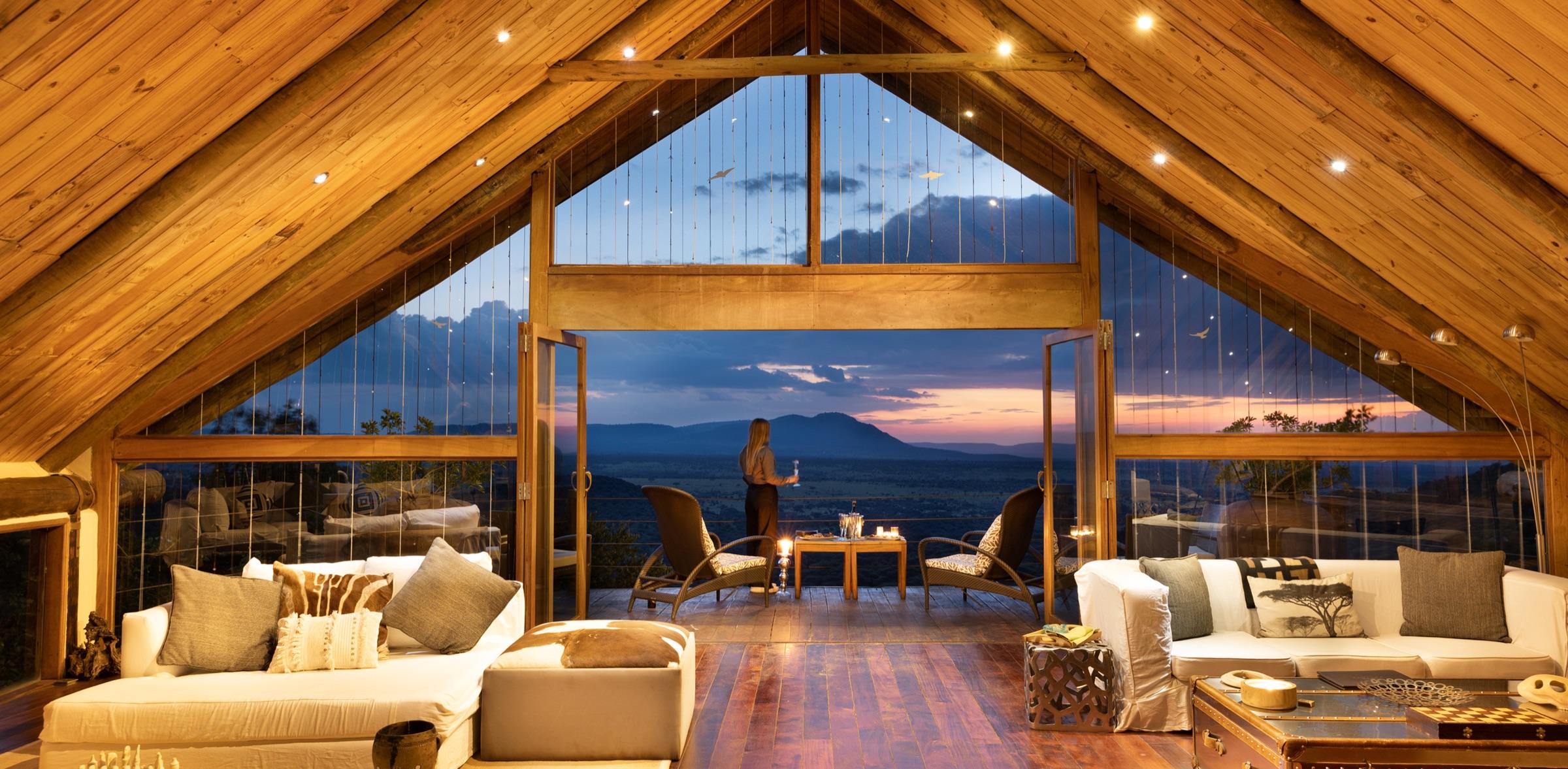
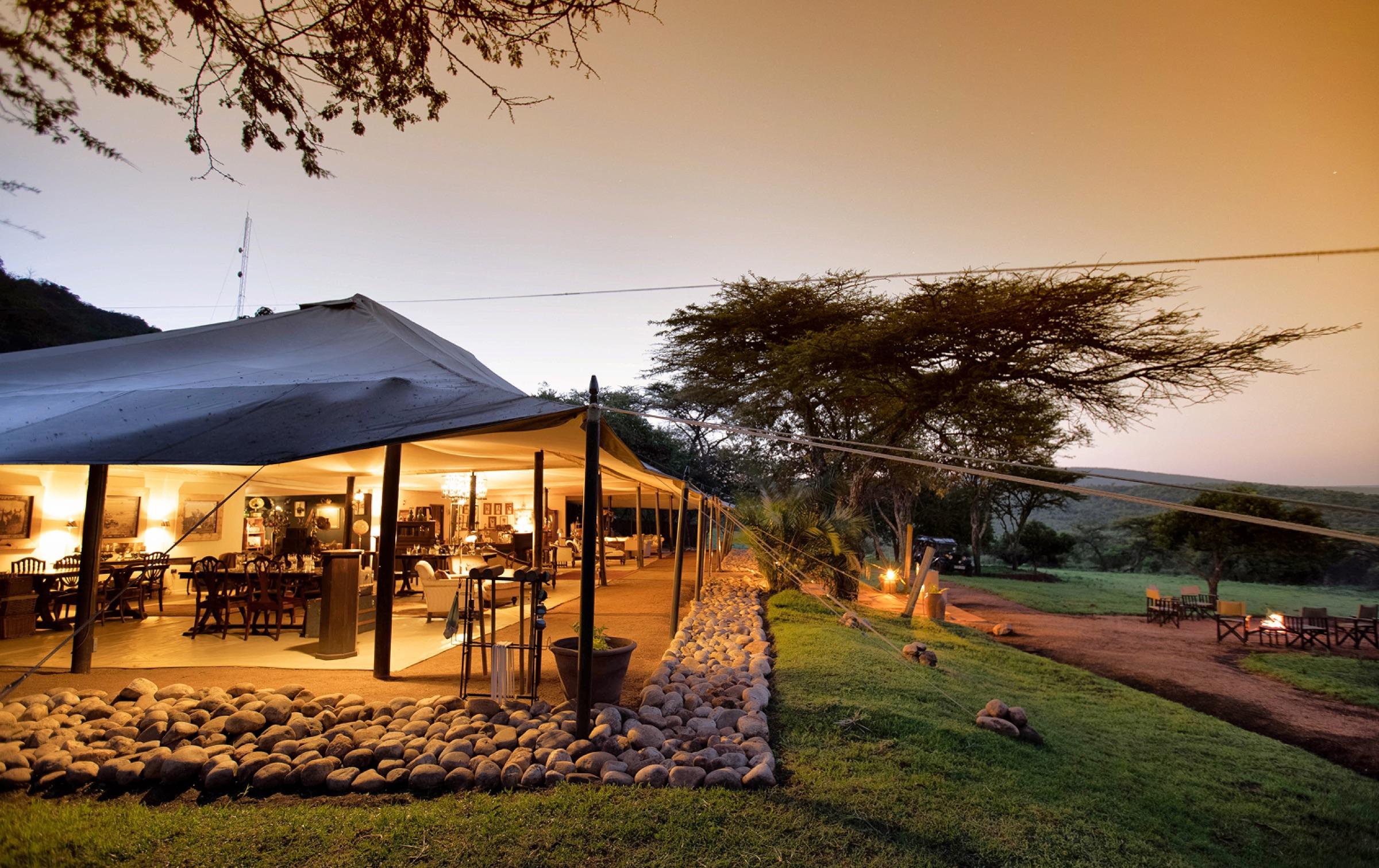
Cottar's 1920s Camp carries the romance of early East African safari with the comfort expected of a serious luxury camp. Tented suites, the Mess Tent, Explorers Tent, spa, pool and organic garden create a private base between days in the field.
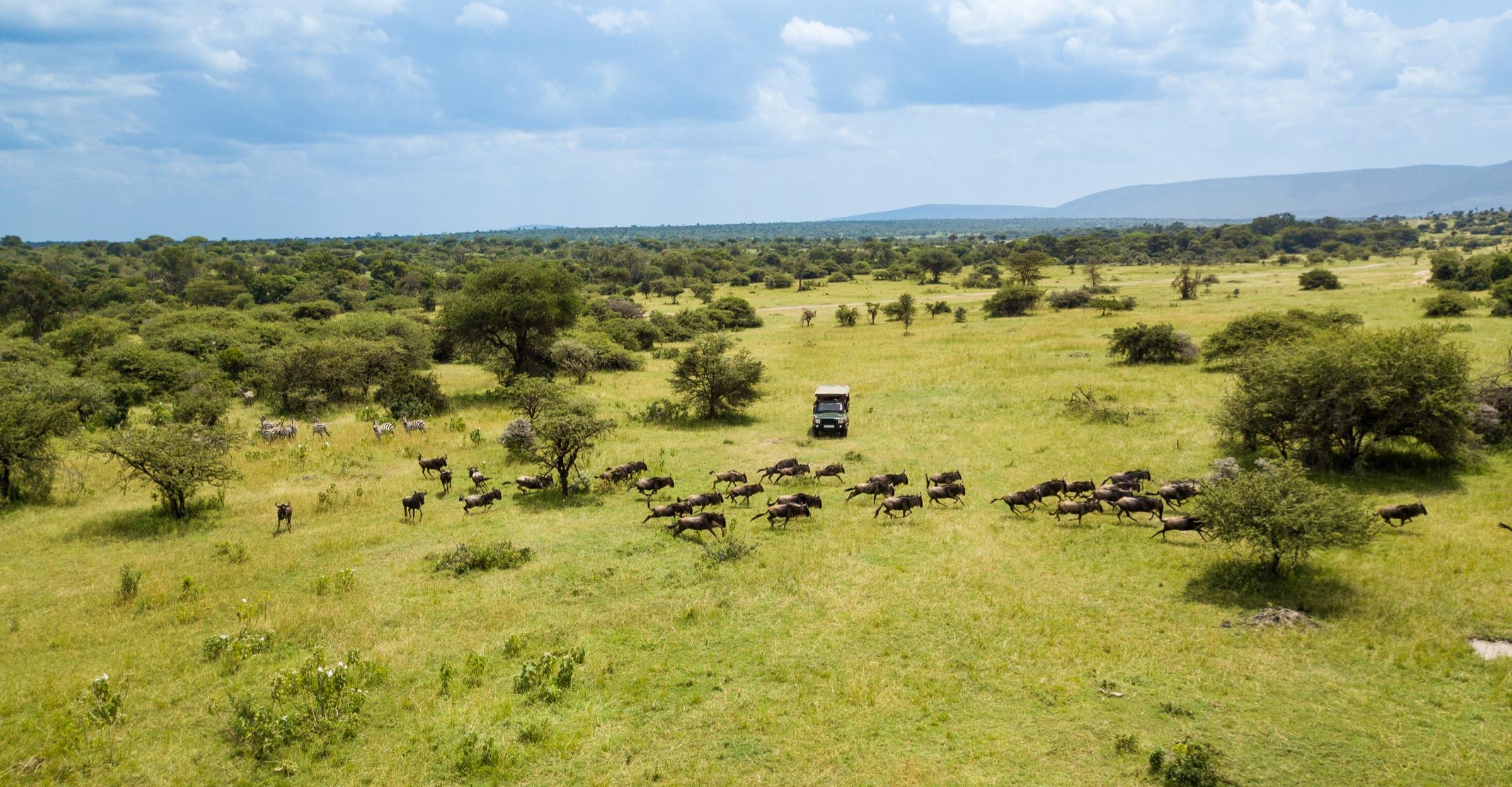
5 Nights • Olderkesi Conservancy, Kenya
Families, couples, photographers, conservation-minded travellers and private groups who want expert guiding, cultural depth, comfort and a more personal Mara experience.
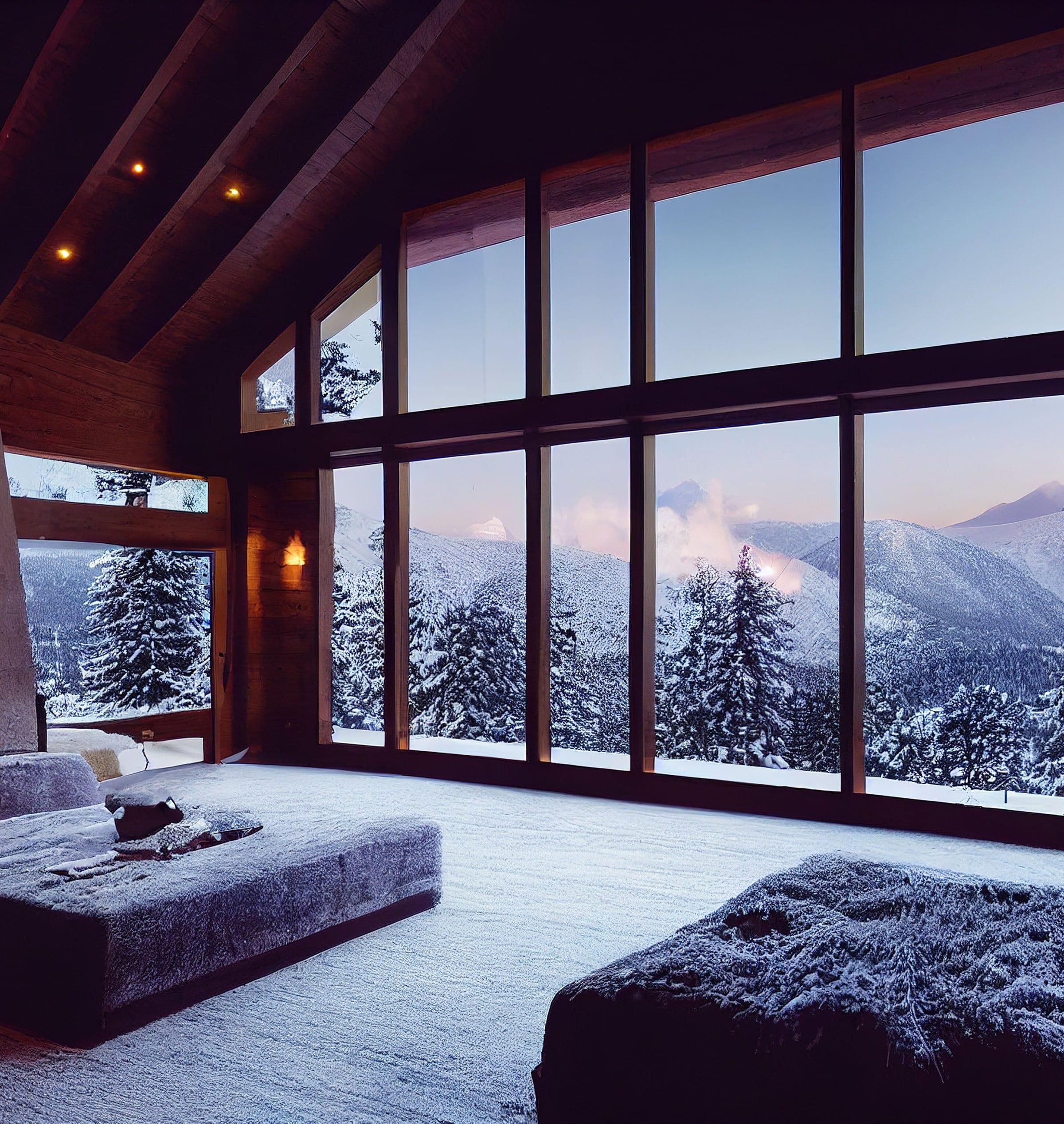
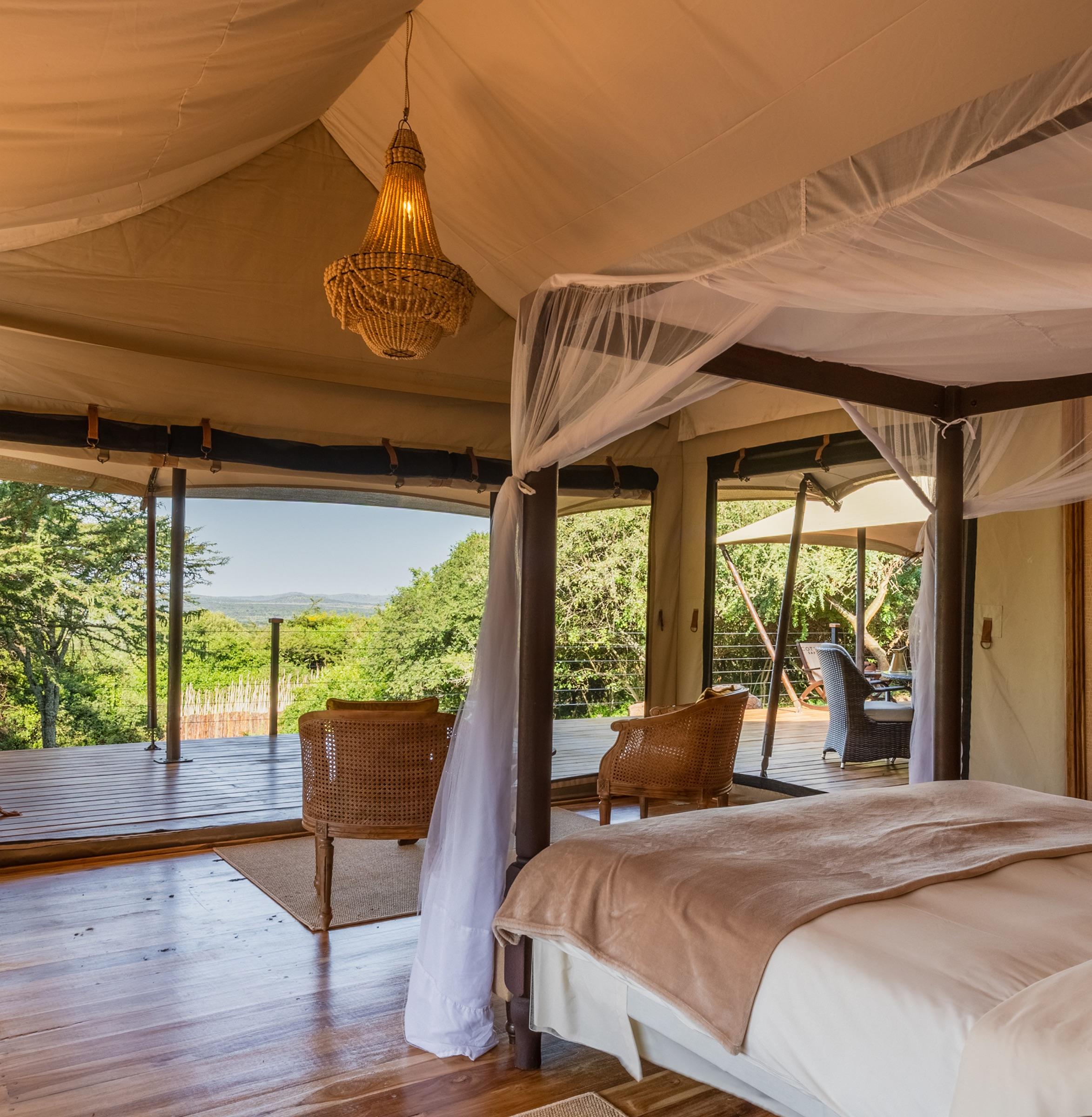
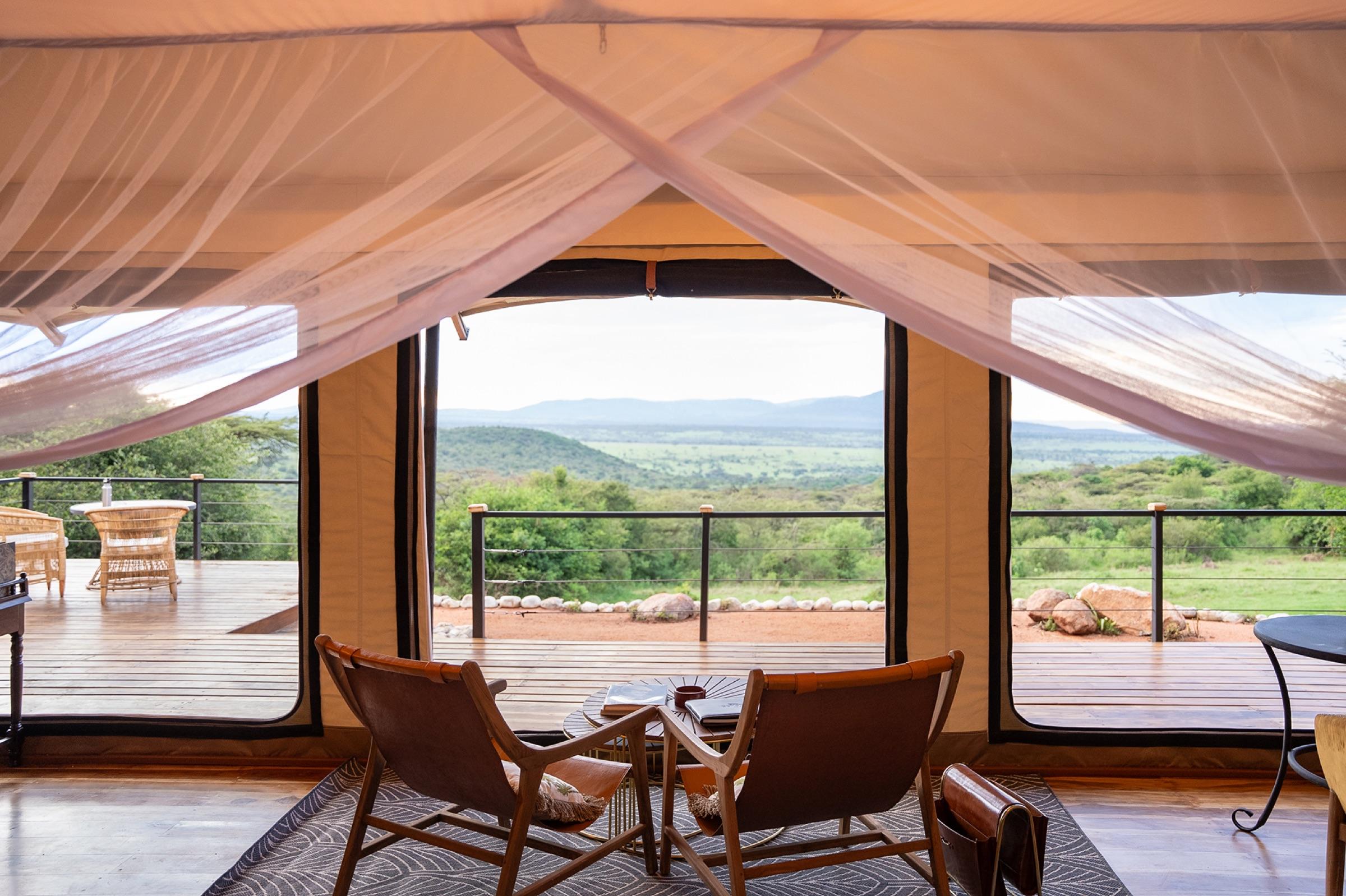
Cottar's 1920s Camp. Guests stay in Luxury Tents or Honeymoon Tents, with generous canvas interiors, en-suite bathrooms, veranda space, vintage safari details and views towards the conservancy.
Exclusive to your party. Final capacity depends on dates, tent category, rooming needs and operational approval from the camp.
Five nights at Cottar's 1920s Camp, all meals and drinks, private safari vehicle, Gold-rated guide, game drives, night drives, guided bush walk, Maasai Warrior School for children, private stargazing, two wellness treatments and Dugu Dugu sundowner.
Family tents, private photographic support, conservation talks, foraging and medicinal plant walks, bush baths, hot-air ballooning, village visits, seedball dispersal, private celebration dinners, additional wellness treatments, private charter flights to the Mara and extended Kenya itineraries.
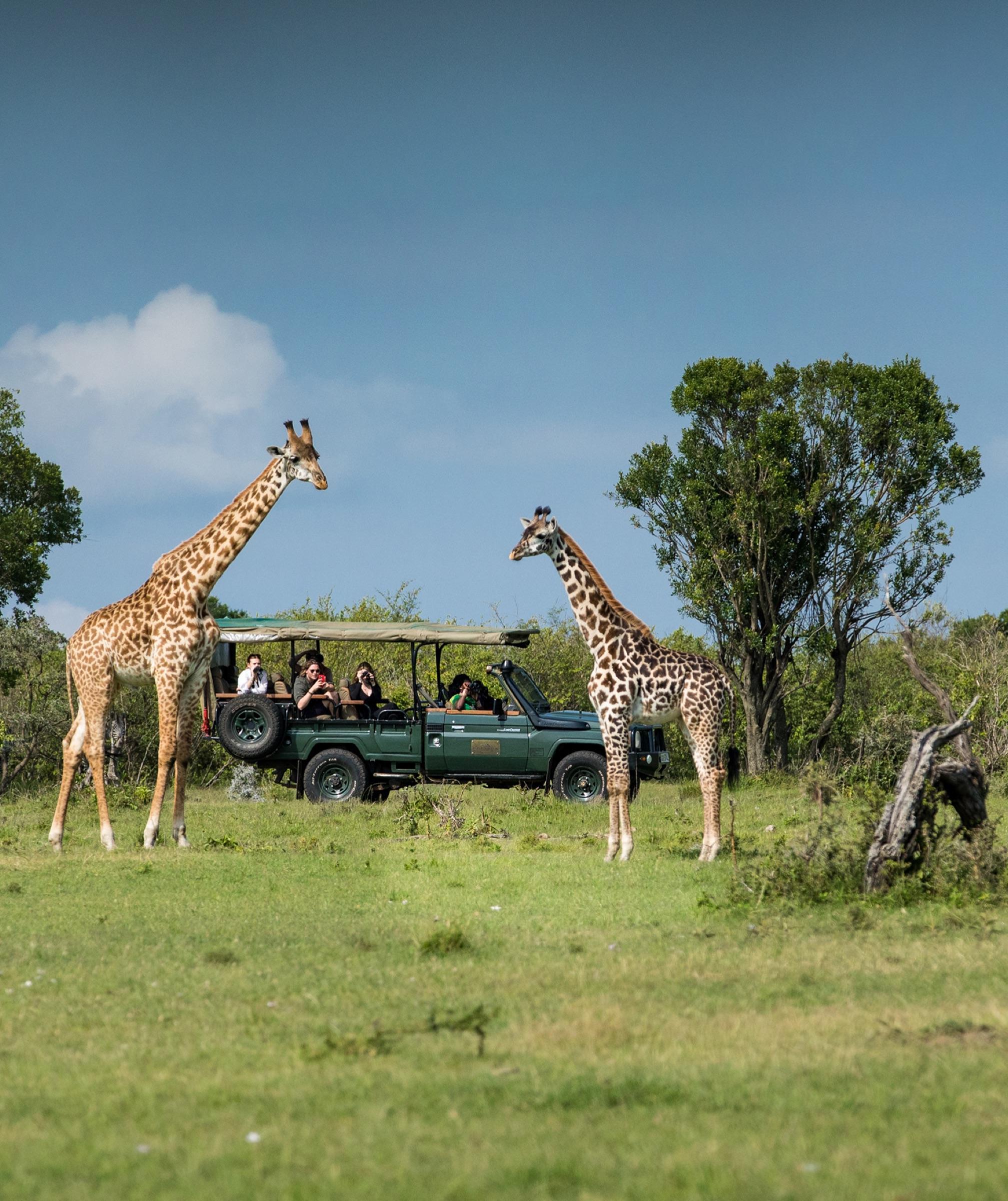
The camp sits within 7,600 acres of private conservancy in the south-east Maasai Mara ecosystem. This gives the safari its space, privacy and freedom to include experiences not possible in more restricted areas.
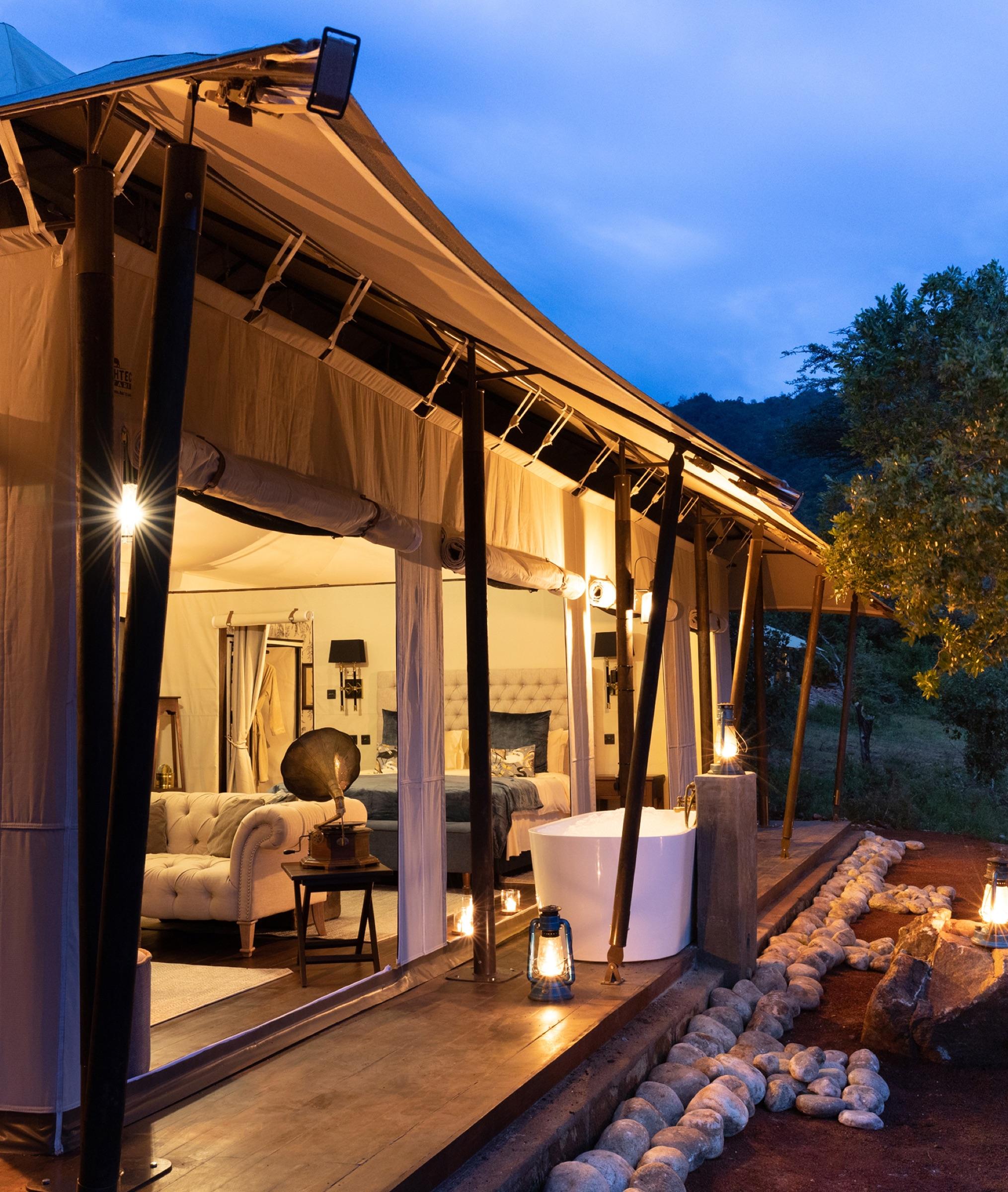
Cottar's 1920s Camp has eleven tented suites across Luxury, Honeymoon and Family categories. The interiors are generous and deeply atmospheric, with antique details, soft canvas, en-suite bathrooms and veranda space.
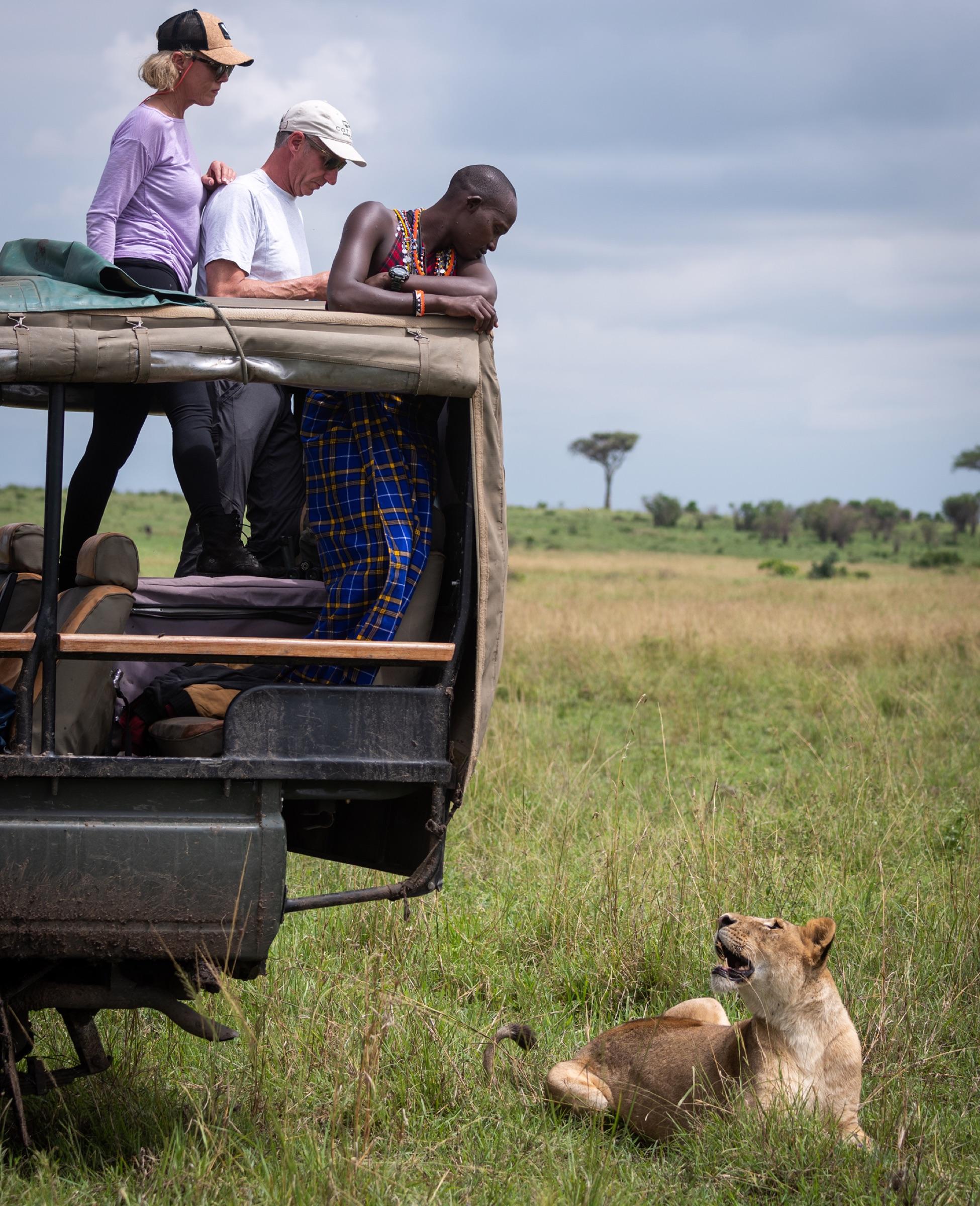
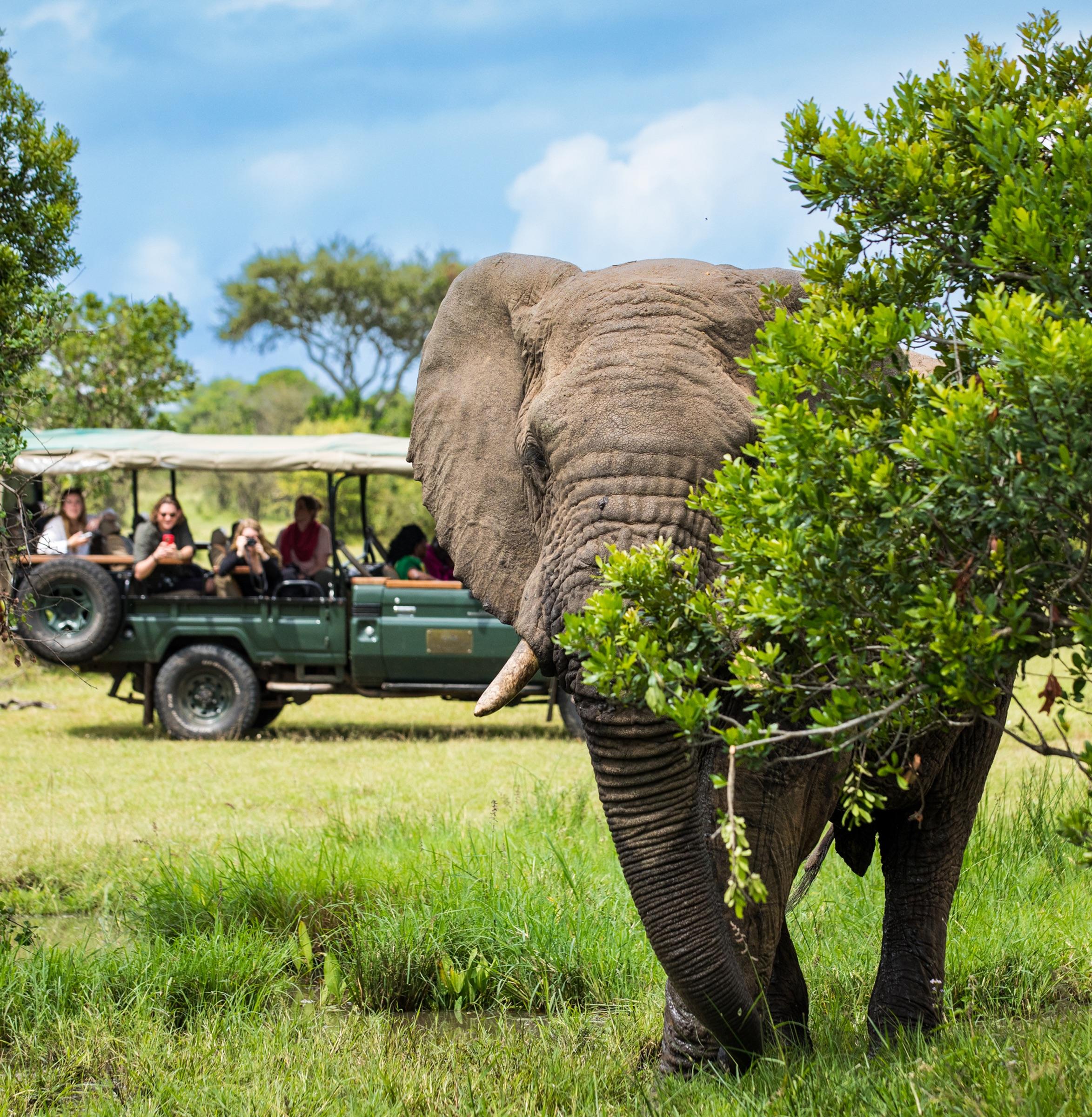
Your private guide stays with you throughout the safari. Routes are shaped by tracks, weather, light, recent movement and the guide's understanding of Olderkesi, so the experience becomes more precise each day.
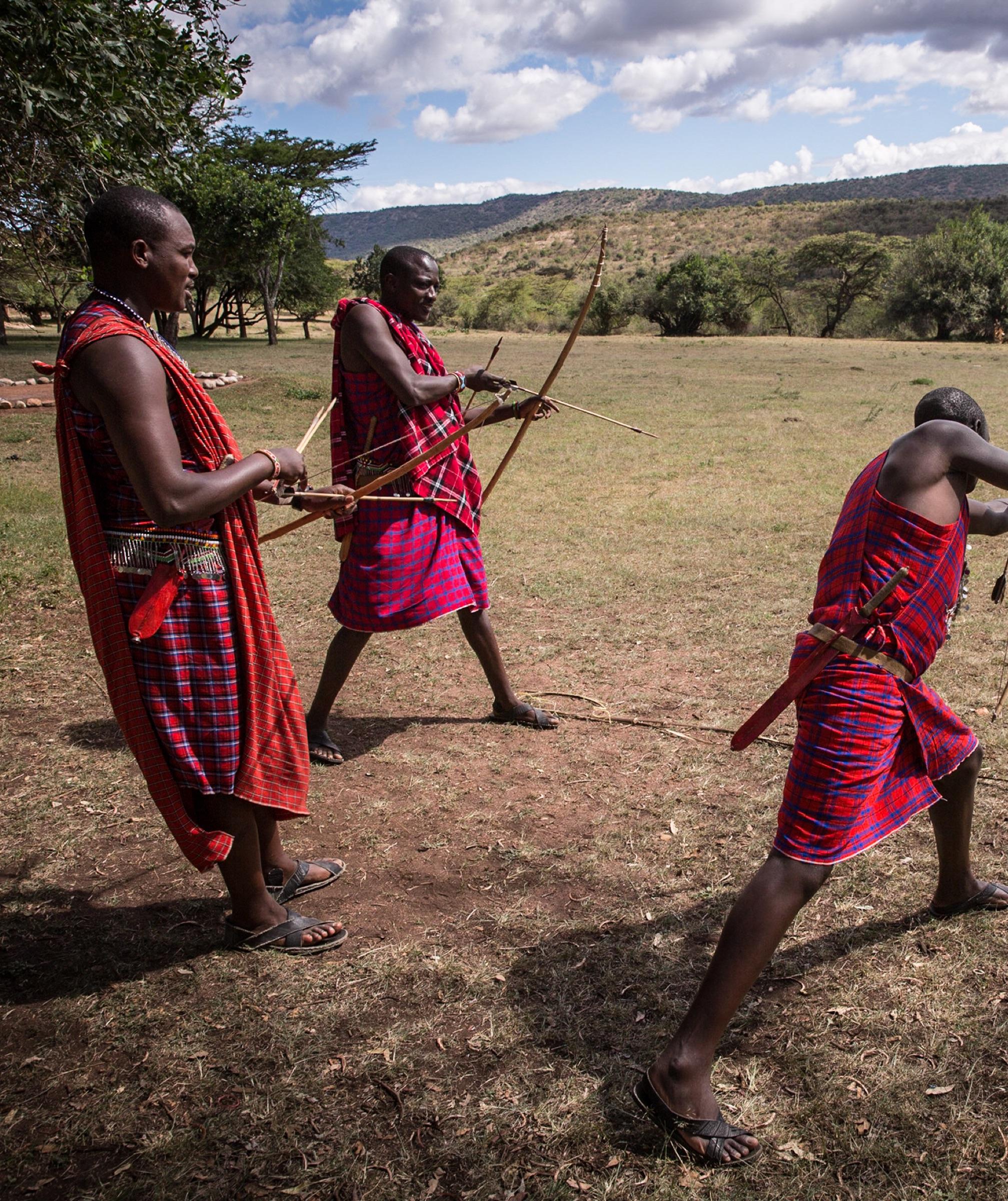
Designed especially for children, the Maasai Warrior School introduces fire-making, spear-throwing, archery, tracking, movement and bush awareness with Maasai warriors. It is active, memorable and far more meaningful than a conventional children's activity.
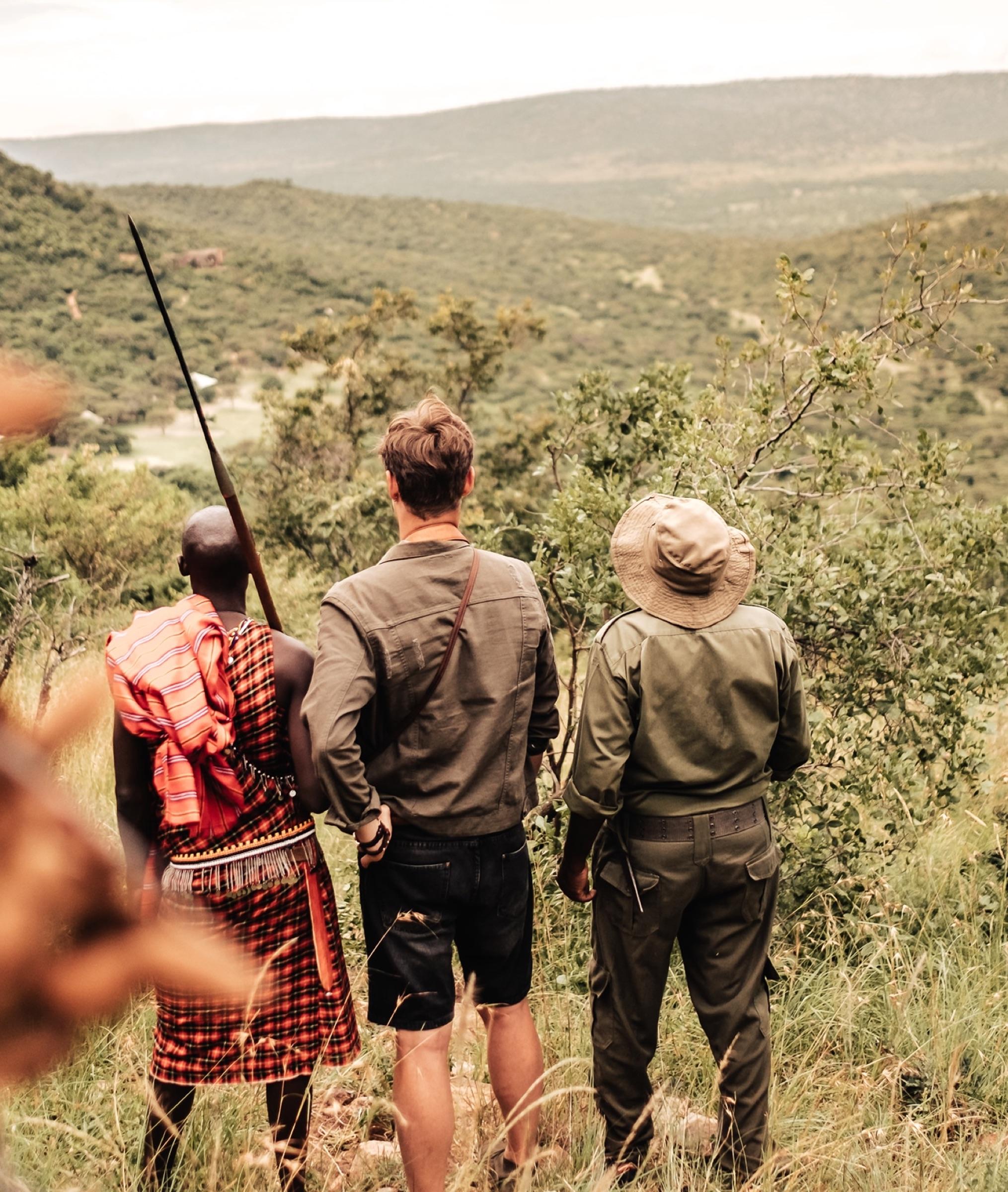
A guided bush walk brings guests onto the ground with a guide and Maasai warrior. The focus shifts from distance to detail, with tracks, plants, birds, insects and silence becoming part of the safari.
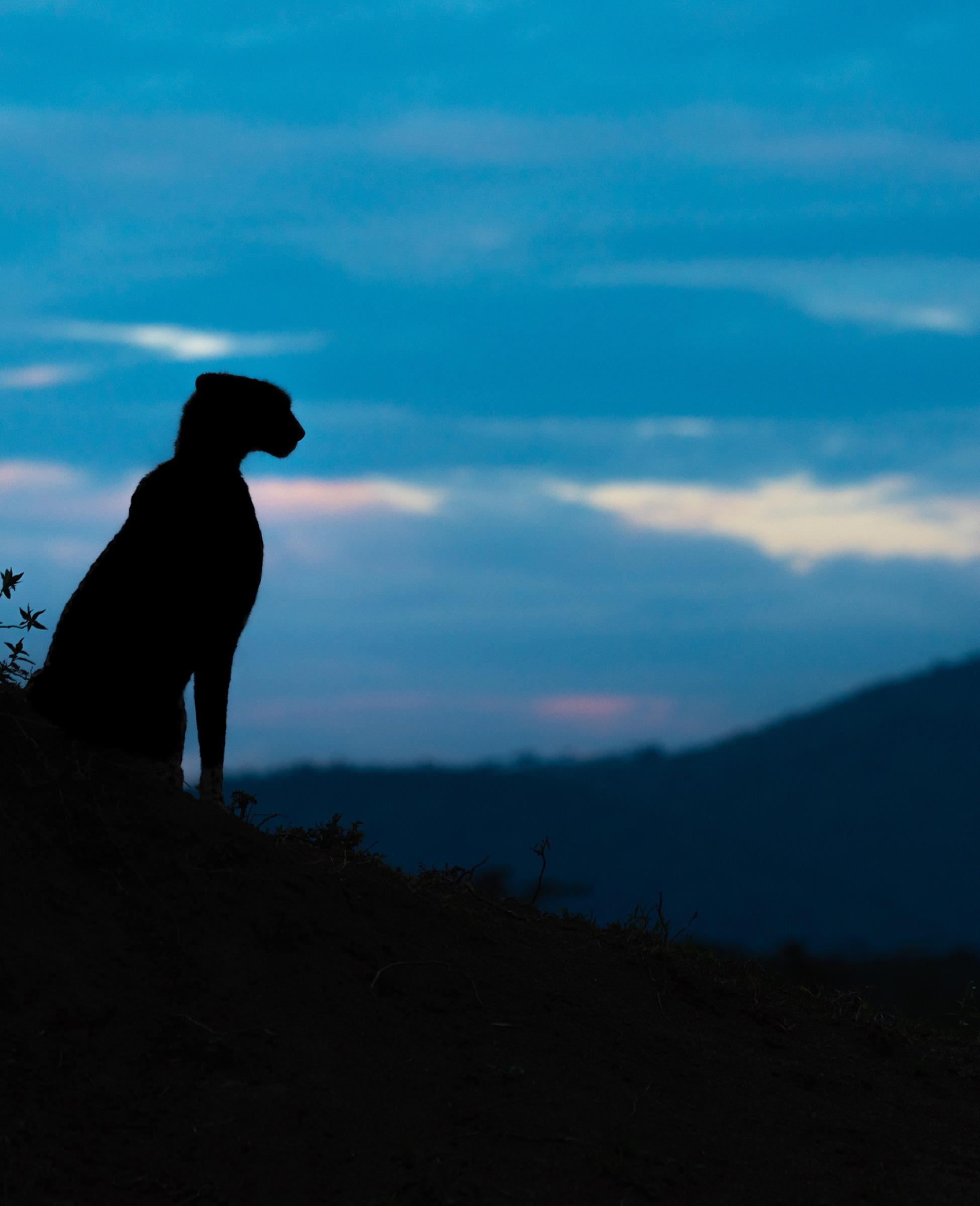
After sunset, Olderkesi becomes a different safari environment. A private night drive brings guests into quieter hours, where the guide works carefully with sound, movement and the details that only appear after dark.
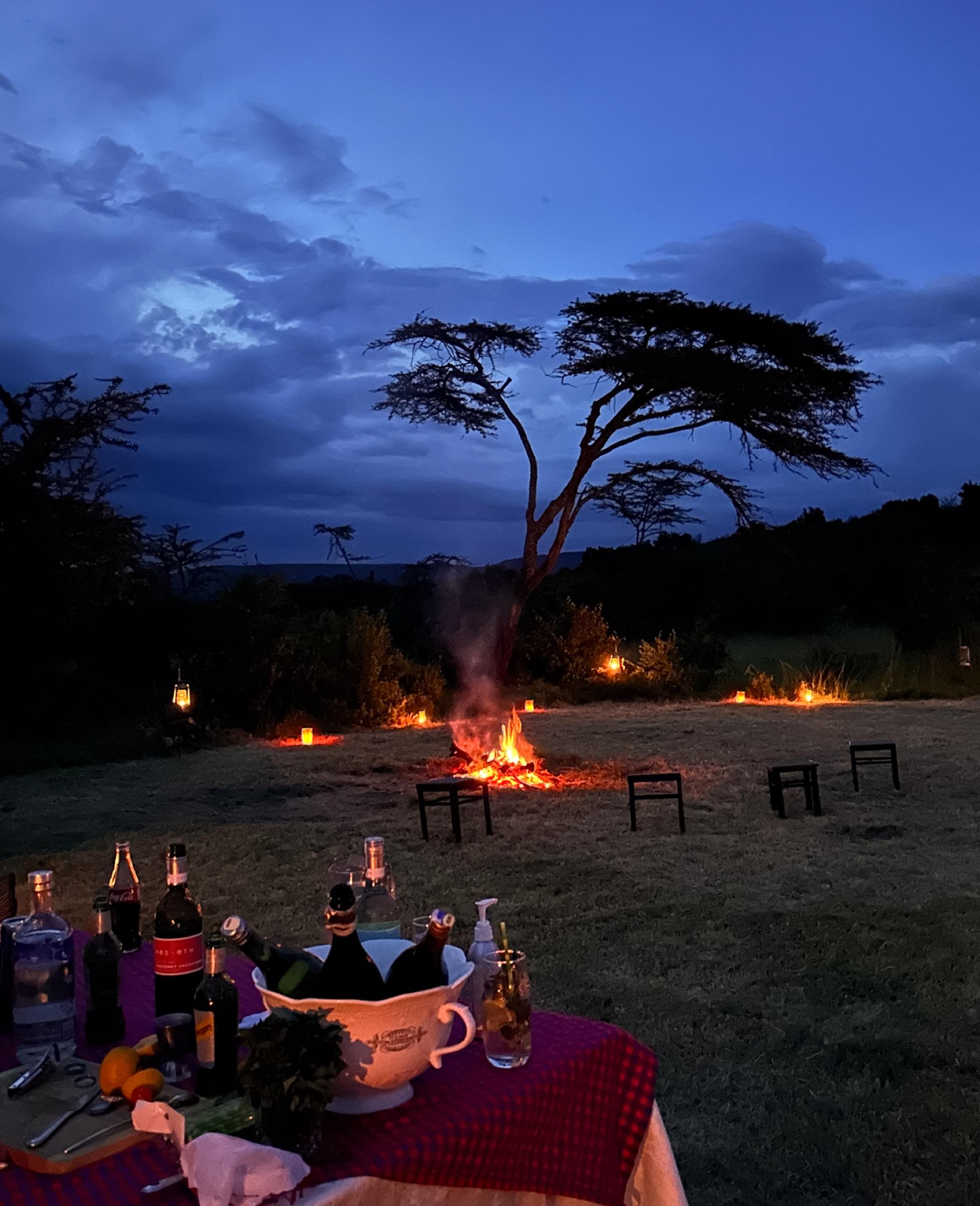
Cottar's vintage Rolls-Royce becomes a roving bar in the field. Your guide selects the viewpoint, the boot opens, drinks are prepared, and the evening begins in open country before returning to camp.
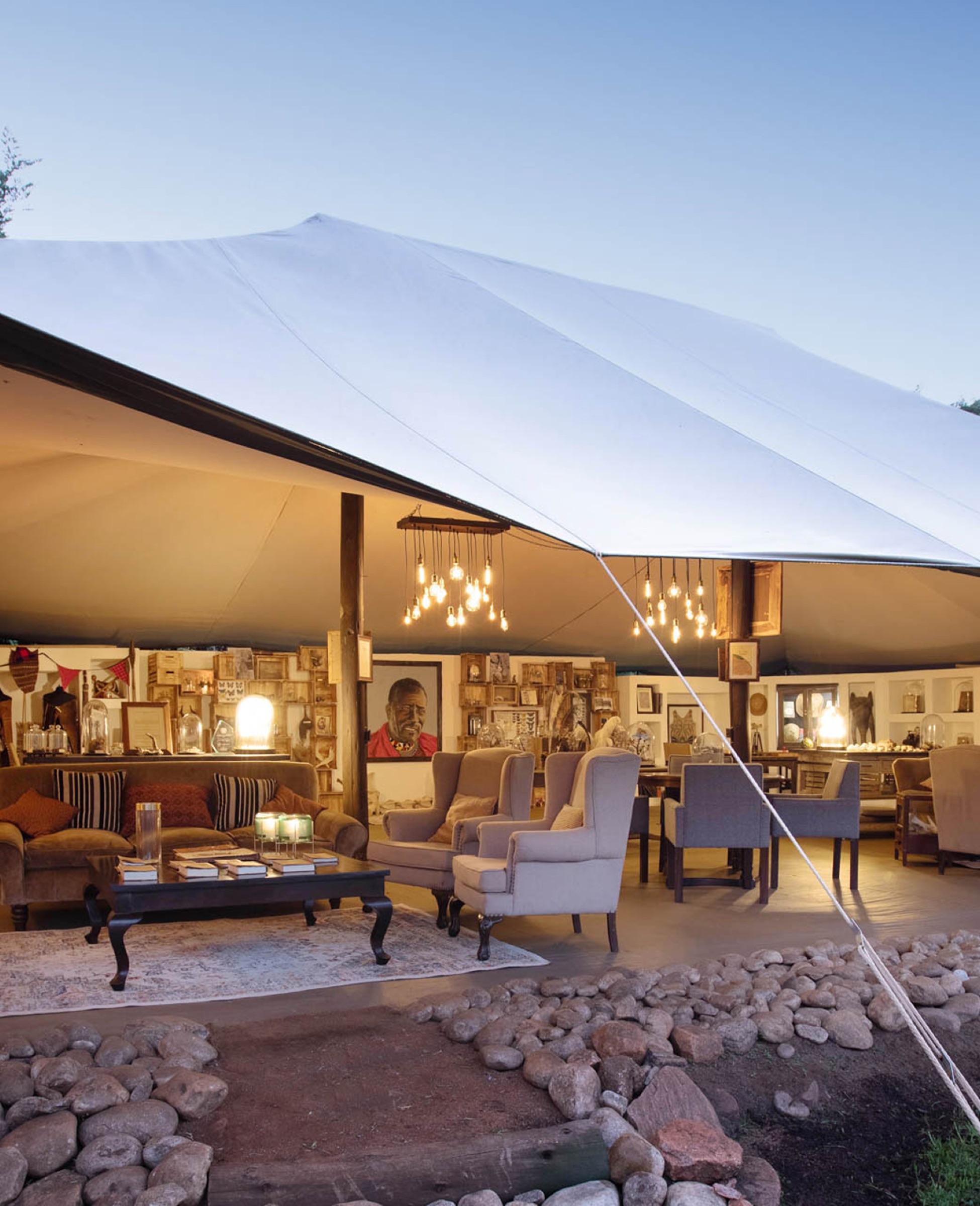
The Explorers Tent adds context to the experience through conversations on conservation, Maasai culture, safari history and the living systems around Olderkesi. It gives the stay intellectual weight without turning it into a lecture.
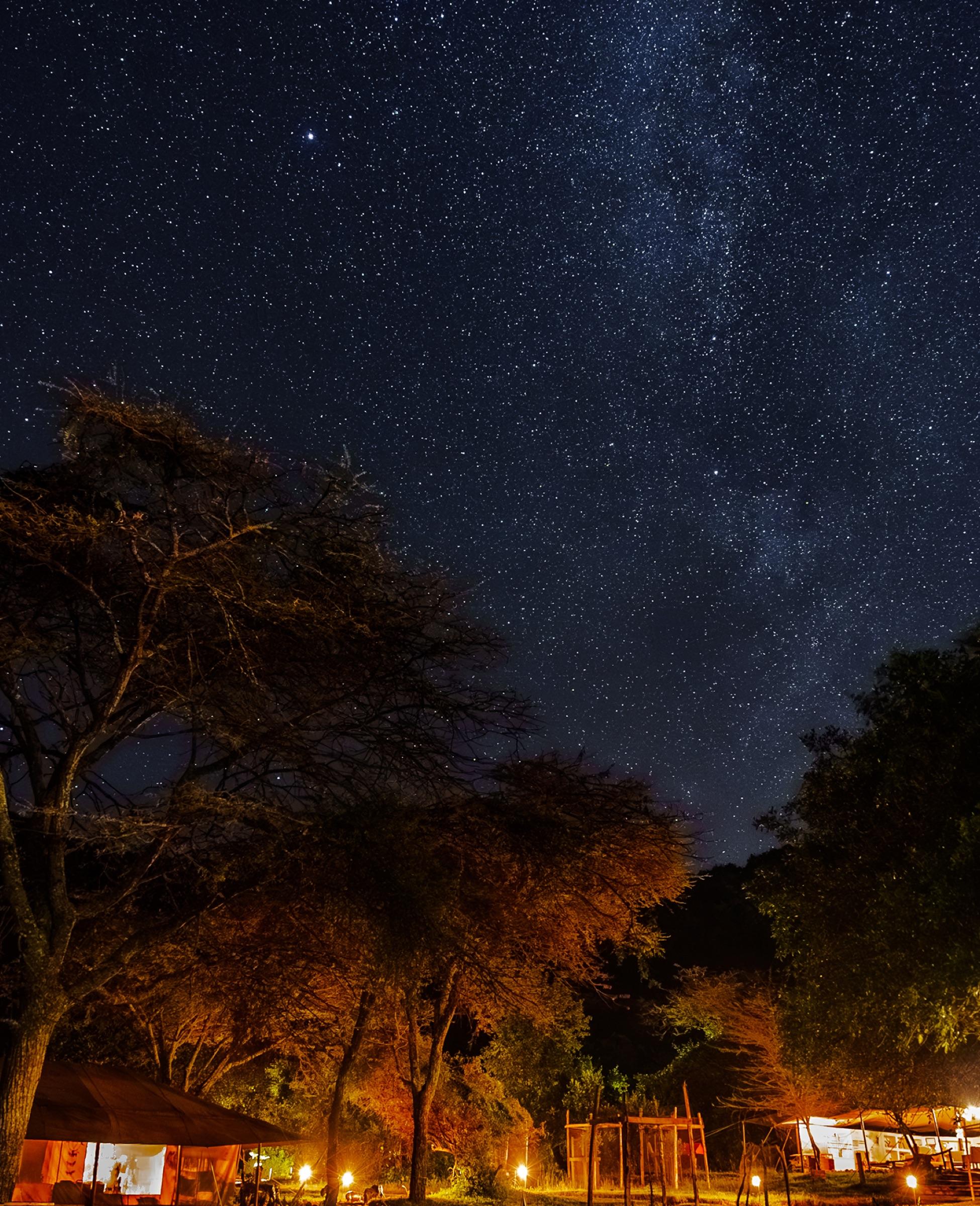
The night sky above Olderkesi is clear and almost untouched by light pollution. Your guide reads the stars through both Western and Maasai interpretations, from the Southern Cross to the Milky Way.
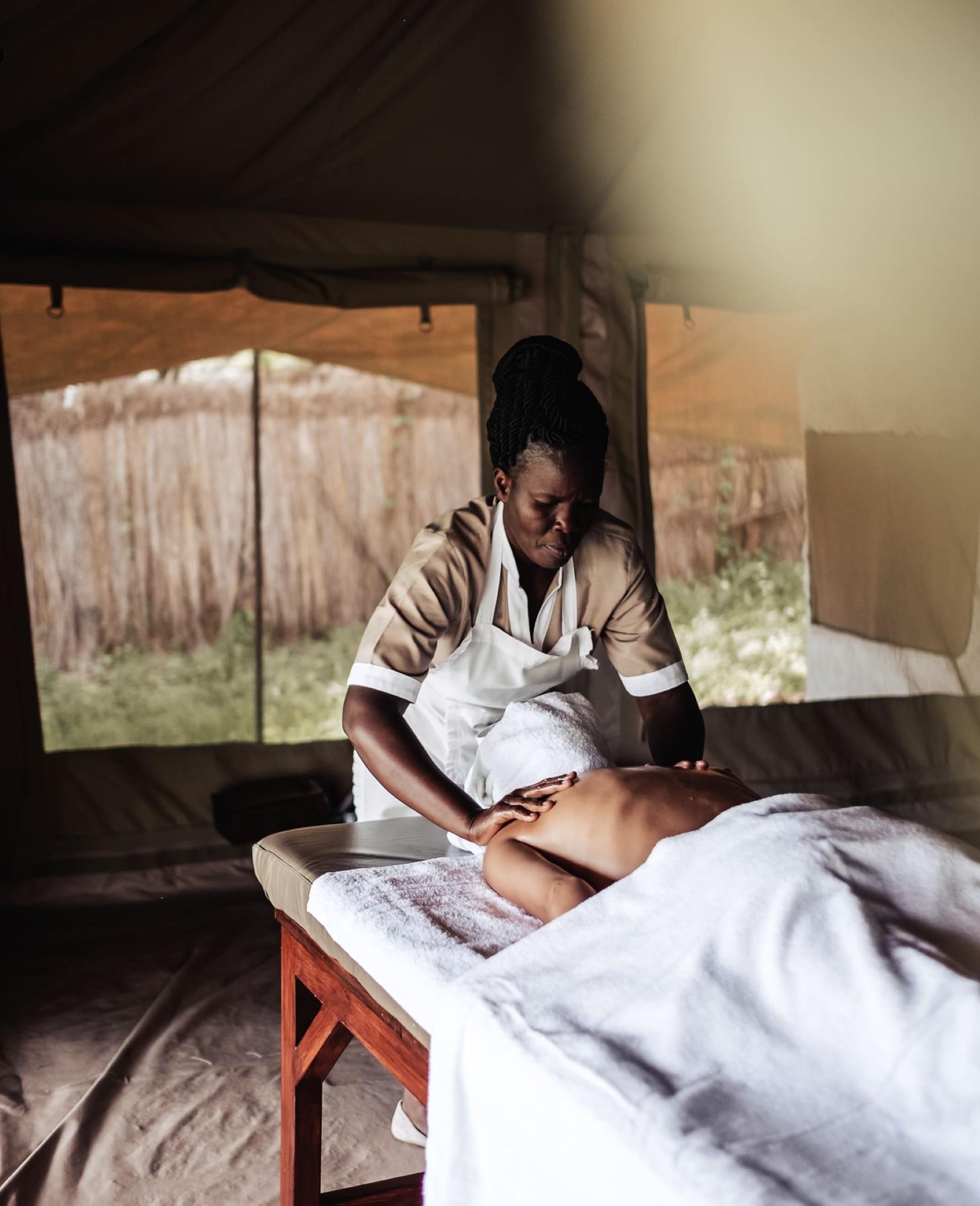
Two wellness treatments are included during the stay. They are placed between early starts, walking and long drives, giving the body time to recover without pulling the experience away from the field.
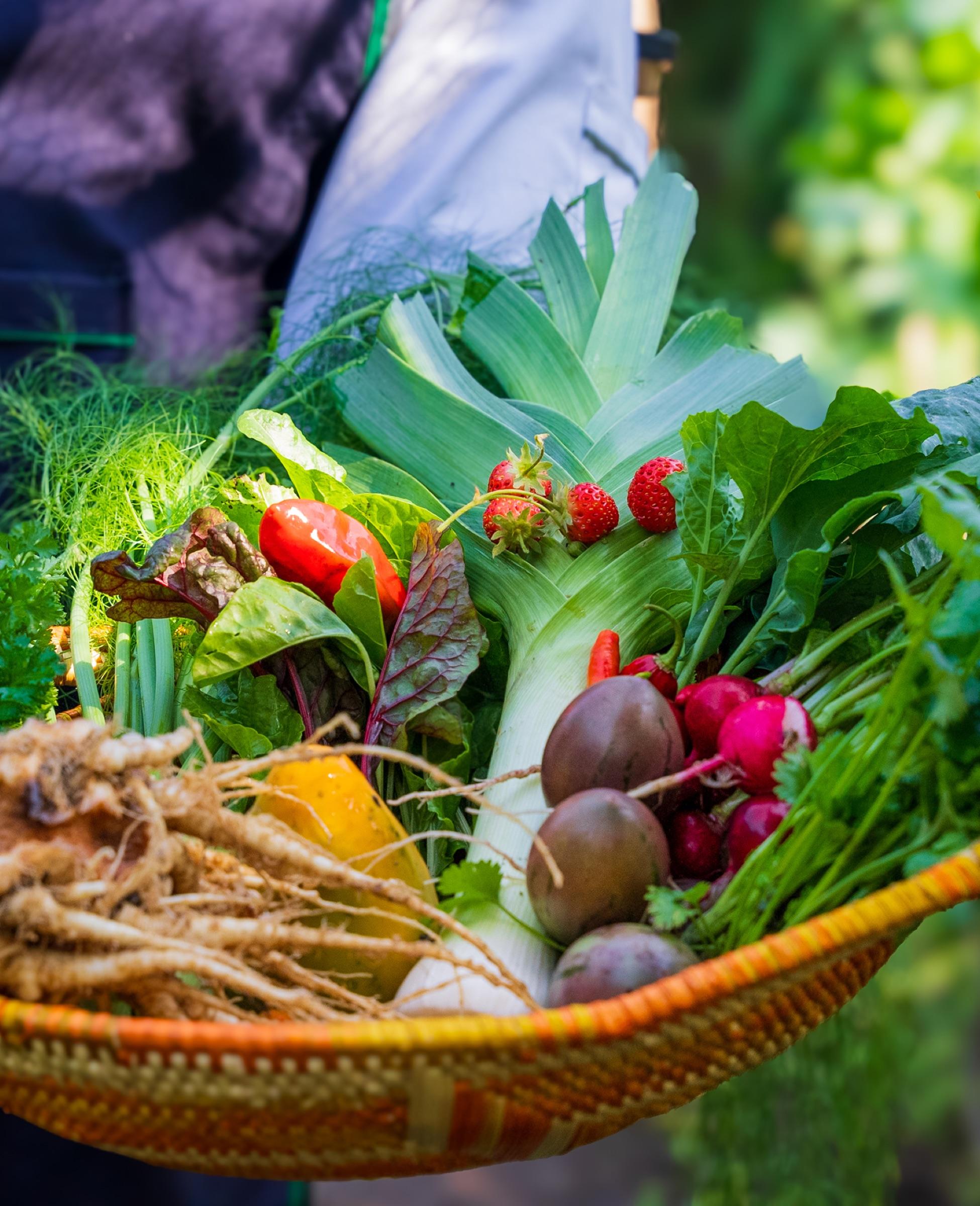
Cottar's organic garden supplies much of the fresh produce used in camp. Meals can move from long breakfasts after game drives to quiet dinners in the Mess Tent, open-air settings or the Explorers Tent.
Guest stays support Olderkesi's conservancy model, community priorities and wildlife protection. The experience can be extended with conservation talks, seedball dispersal, local school visits or time with conservation partners.
The days begin early and deliberately. Coffee is served before sunrise, blankets are placed in the vehicle, and your guide reads the first signs of the morning before choosing the route. There is no sense of being moved through a programme. The experience is private enough to stop when something deserves time.
The strongest moments are not only the sightings. They come when you walk with a Maasai warrior and begin to notice the smaller evidence of the bush, or when children spend time in Warrior School learning fire-making, spear-throwing, archery, tracking and movement in the field. This is where the safari becomes more personal.
The camp gives the week its balance. Late breakfasts, wellness treatments, the pool, the Mess Tent, the Explorers Tent and quiet hours in your own canvas suite create space between the more demanding parts of safari. Evenings return to the field for night drives, stargazing or the Dugu Dugu bar set in open country.
Request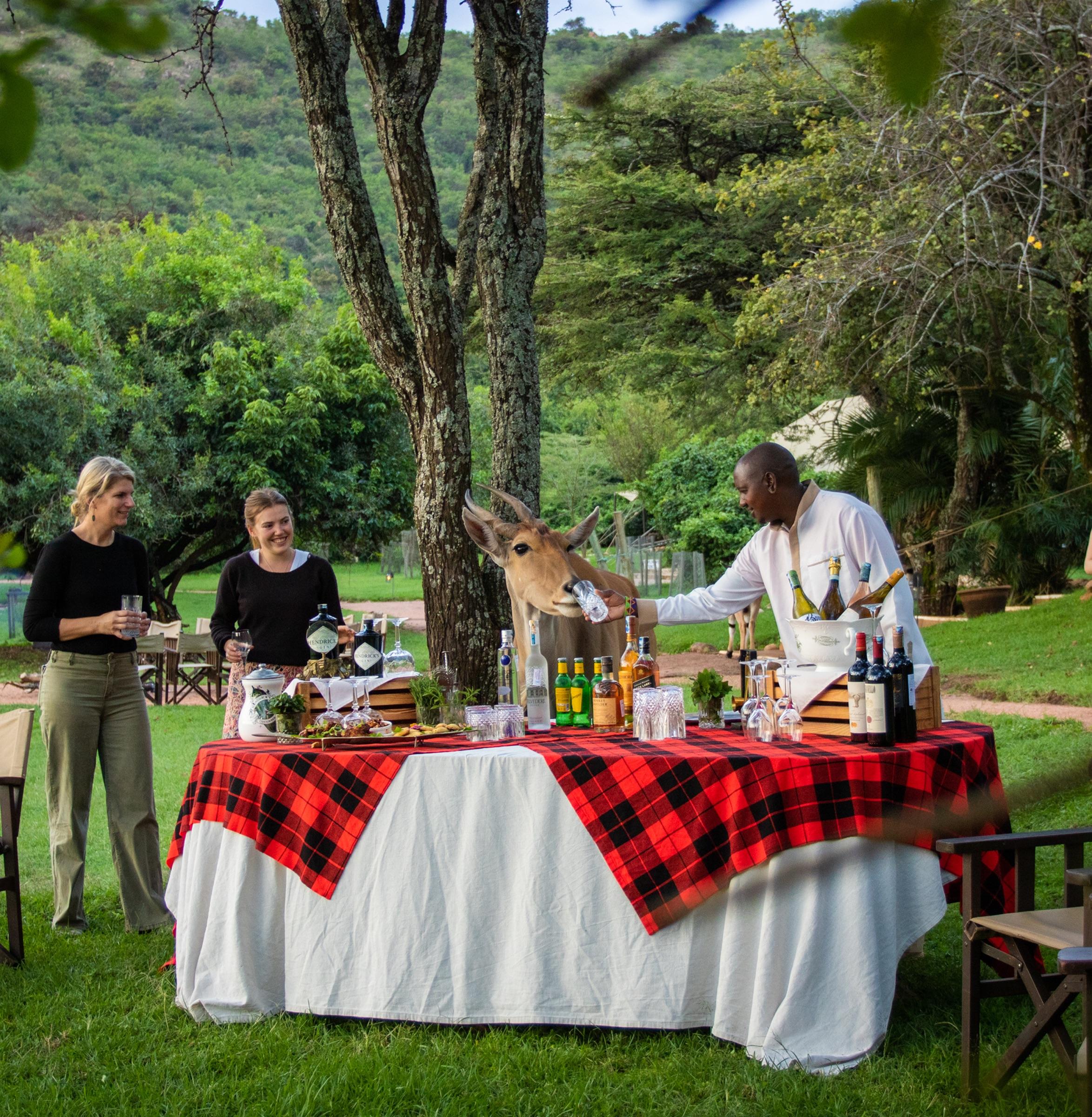
This is a sample five-night programme. Exact timings, routes and activities are shaped by wildlife movement, weather, flight schedules, guide judgement and the final arrangements confirmed before arrival.
Arrive by light aircraft, where your guide meets you at the airstrip. The first afternoon is kept unhurried, with an orientation drive through the conservancy and time to understand the scale, terrain and distance from the busier reserve areas. Sundowners are served in the field before dinner in the Mess Tent.
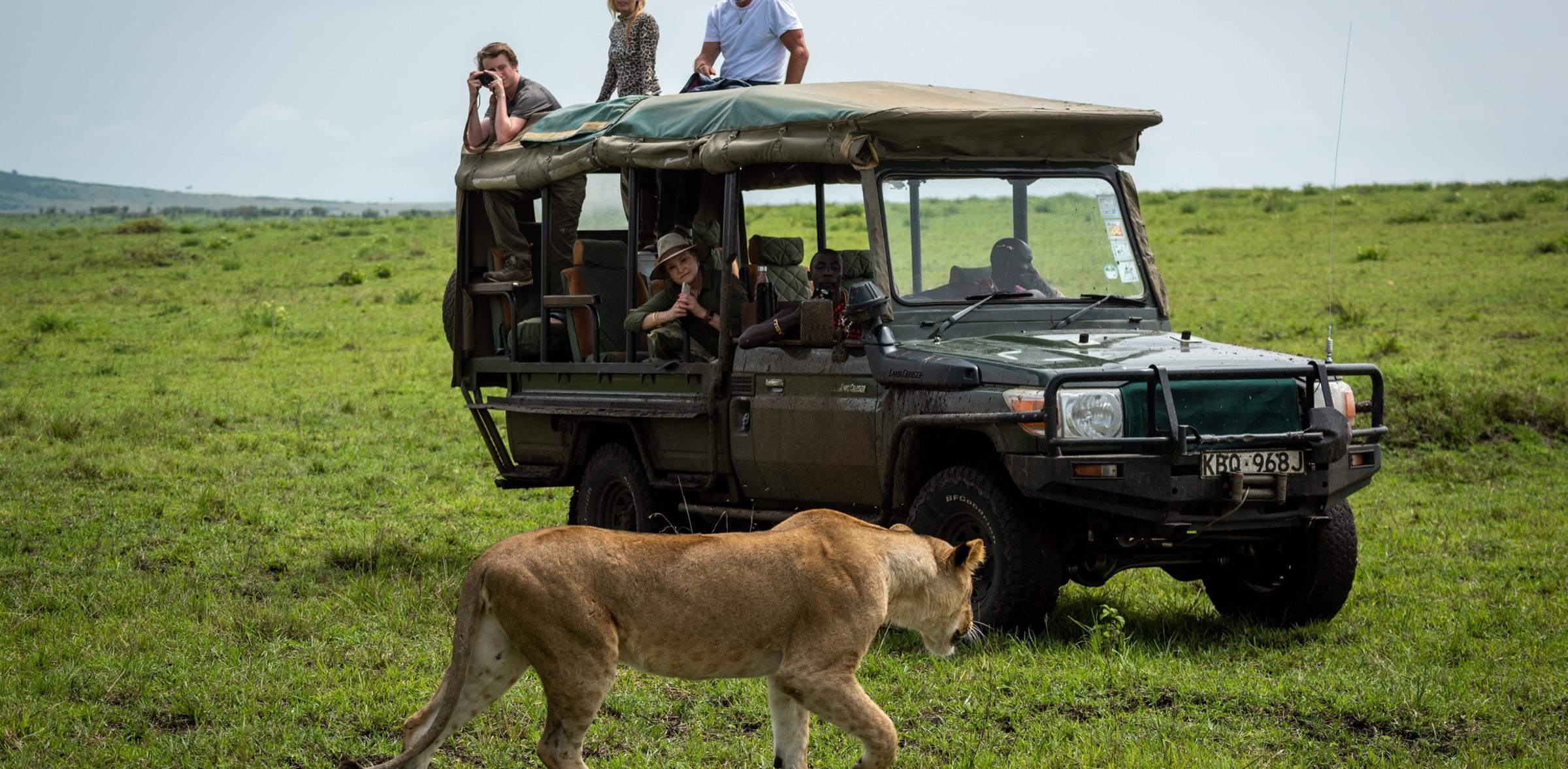
Leave before dawn for a full morning game drive across the private conservancy. Return to camp for a late breakfast, followed by time at leisure and your first included wellness treatment. After dark, head out again for a private night drive before returning to dinner under the stars.
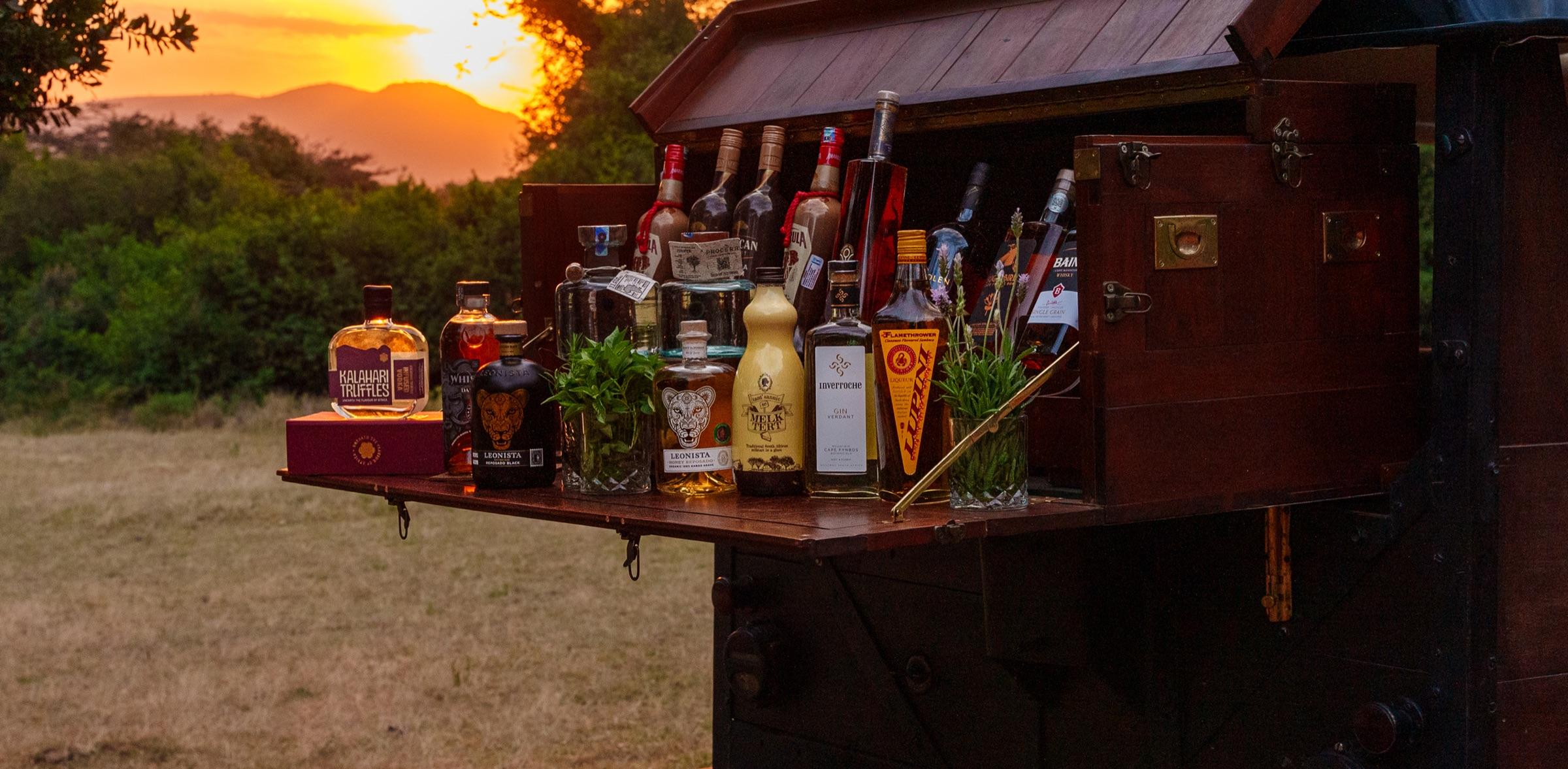
Begin the morning on foot with your Gold-rated guide and a Maasai warrior. The walk is slower and more exacting than a drive, with attention given to tracks, plants, birds, wind direction and how to move through open country. After lunch and time to rest, the Dugu Dugu Rolls-Royce bar is set at a guide-chosen viewpoint for drinks at last light.
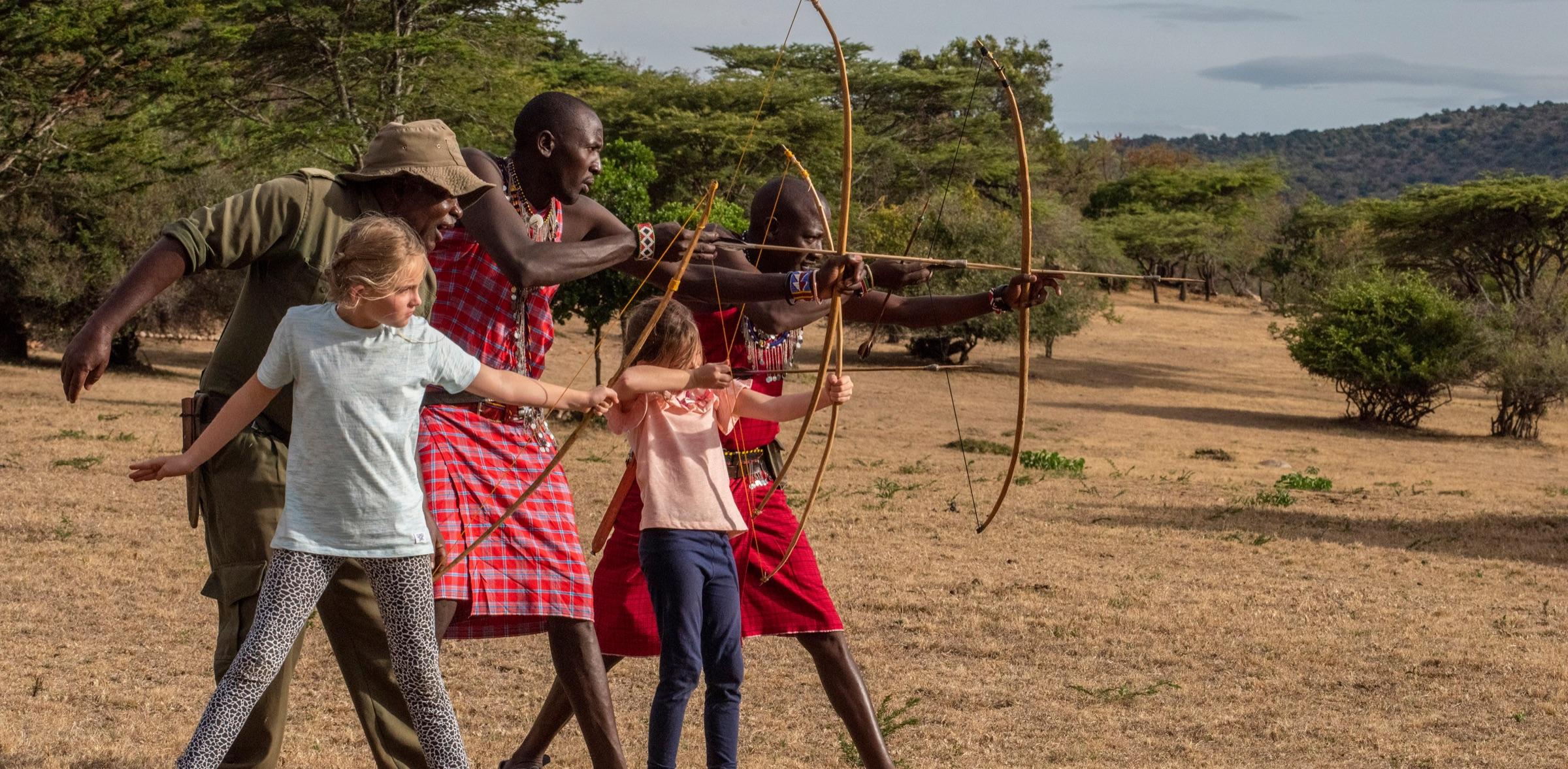
The morning is dedicated to Maasai Warrior School, tailored especially for children. Young guests learn fire-making, spear-throwing, archery, tracking, movement and bush awareness from Maasai warriors, while adults can join the field session or take the morning at a slower pace. The afternoon includes a second wellness treatment before private stargazing and a candlelit dinner in the Explorers Tent.
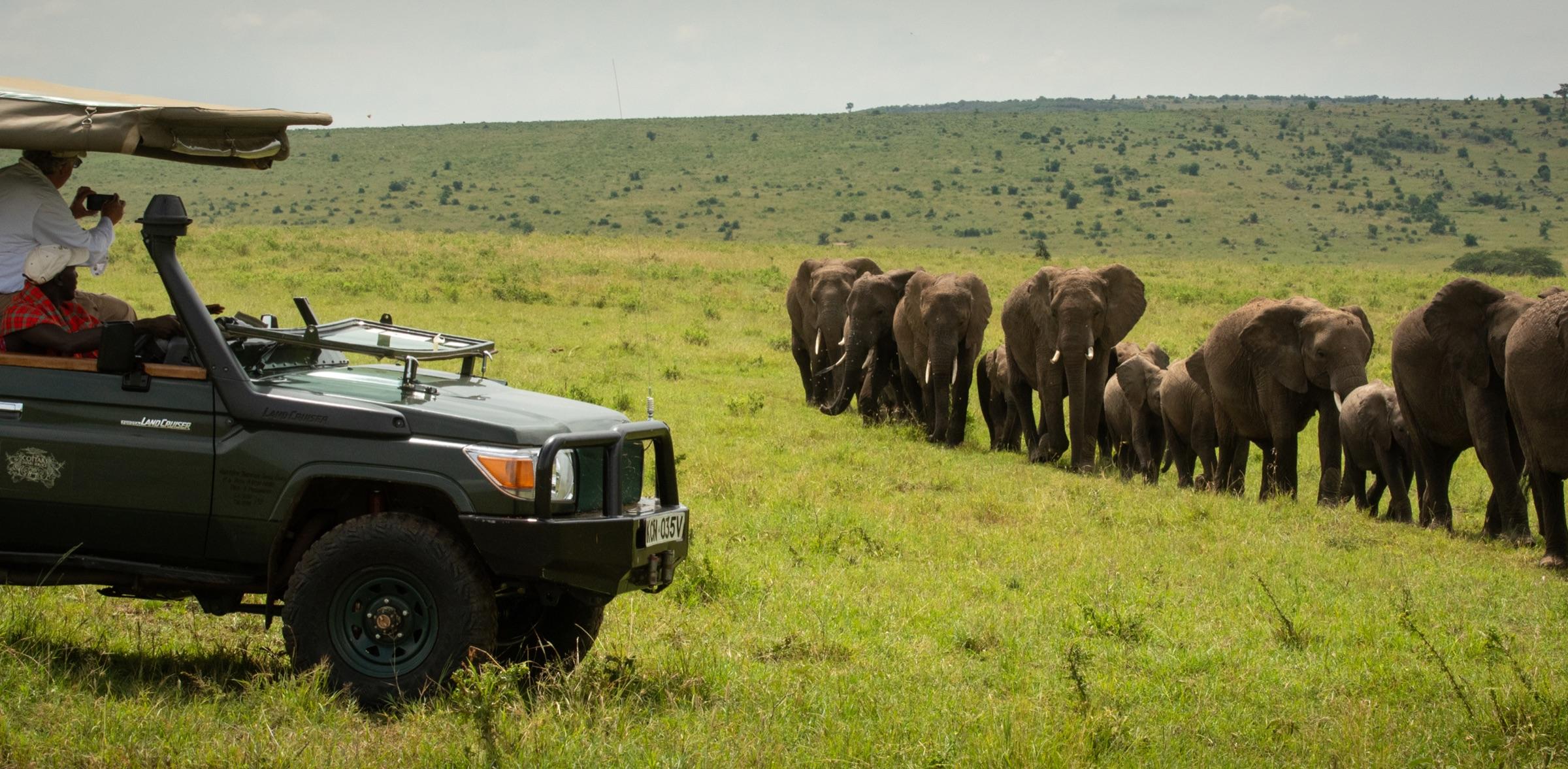
Your guide chooses the final morning route according to recent tracks, sightings and the conditions of the day. The focus is on using the final hours well, whether that means returning to a known area, following fresh movement or waiting quietly where the guide believes patience will matter. Return to camp for a farewell lunch before the light aircraft transfer to Wilson Airport.
Arrive by light aircraft, where your guide meets you at the airstrip. The first afternoon is kept unhurried, with an orientation drive through the conservancy and time to understand the scale, terrain and distance from the busier reserve areas. Sundowners are served in the field before dinner in the Mess Tent.
Leave before dawn for a full morning game drive across the private conservancy. Return to camp for a late breakfast, followed by time at leisure and your first included wellness treatment. After dark, head out again for a private night drive before returning to dinner under the stars.
Begin the morning on foot with your Gold-rated guide and a Maasai warrior. The walk is slower and more exacting than a drive, with attention given to tracks, plants, birds, wind direction and how to move through open country. After lunch and time to rest, the Dugu Dugu Rolls-Royce bar is set at a guide-chosen viewpoint for drinks at last light.
The morning is dedicated to Maasai Warrior School, tailored especially for children. Young guests learn fire-making, spear-throwing, archery, tracking, movement and bush awareness from Maasai warriors, while adults can join the field session or take the morning at a slower pace. The afternoon includes a second wellness treatment before private stargazing and a candlelit dinner in the Explorers Tent.
Your guide chooses the final morning route according to recent tracks, sightings and the conditions of the day. The focus is on using the final hours well, whether that means returning to a known area, following fresh movement or waiting quietly where the guide believes patience will matter. Return to camp for a farewell lunch before the light aircraft transfer to Wilson Airport.
Arrive by light aircraft, where your guide meets you at the airstrip. The first afternoon is kept unhurried, with an orientation drive through the conservancy and time to understand the scale, terrain and distance from the busier reserve areas. Sundowners are served in the field before dinner in the Mess Tent.
Leave before dawn for a full morning game drive across the private conservancy. Return to camp for a late breakfast, followed by time at leisure and your first included wellness treatment. After dark, head out again for a private night drive before returning to dinner under the stars.
Begin the morning on foot with your Gold-rated guide and a Maasai warrior. The walk is slower and more exacting than a drive, with attention given to tracks, plants, birds, wind direction and how to move through open country. After lunch and time to rest, the Dugu Dugu Rolls-Royce bar is set at a guide-chosen viewpoint for drinks at last light.
The morning is dedicated to Maasai Warrior School, tailored especially for children. Young guests learn fire-making, spear-throwing, archery, tracking, movement and bush awareness from Maasai warriors, while adults can join the field session or take the morning at a slower pace. The afternoon includes a second wellness treatment before private stargazing and a candlelit dinner in the Explorers Tent.
Your guide chooses the final morning route according to recent tracks, sightings and the conditions of the day. The focus is on using the final hours well, whether that means returning to a known area, following fresh movement or waiting quietly where the guide believes patience will matter. Return to camp for a farewell lunch before the light aircraft transfer to Wilson Airport.
Arrive by light aircraft, where your guide meets you at the airstrip. The first afternoon is kept unhurried, with an orientation drive through the conservancy and time to understand the scale, terrain and distance from the busier reserve areas. Sundowners are served in the field before dinner in the Mess Tent.
Leave before dawn for a full morning game drive across the private conservancy. Return to camp for a late breakfast, followed by time at leisure and your first included wellness treatment. After dark, head out again for a private night drive before returning to dinner under the stars.
Begin the morning on foot with your Gold-rated guide and a Maasai warrior. The walk is slower and more exacting than a drive, with attention given to tracks, plants, birds, wind direction and how to move through open country. After lunch and time to rest, the Dugu Dugu Rolls-Royce bar is set at a guide-chosen viewpoint for drinks at last light.
The morning is dedicated to Maasai Warrior School, tailored especially for children. Young guests learn fire-making, spear-throwing, archery, tracking, movement and bush awareness from Maasai warriors, while adults can join the field session or take the morning at a slower pace. The afternoon includes a second wellness treatment before private stargazing and a candlelit dinner in the Explorers Tent.
Your guide chooses the final morning route according to recent tracks, sightings and the conditions of the day. The focus is on using the final hours well, whether that means returning to a known area, following fresh movement or waiting quietly where the guide believes patience will matter. Return to camp for a farewell lunch before the light aircraft transfer to Wilson Airport.
Arrive by light aircraft, where your guide meets you at the airstrip. The first afternoon is kept unhurried, with an orientation drive through the conservancy and time to understand the scale, terrain and distance from the busier reserve areas. Sundowners are served in the field before dinner in the Mess Tent.
Leave before dawn for a full morning game drive across the private conservancy. Return to camp for a late breakfast, followed by time at leisure and your first included wellness treatment. After dark, head out again for a private night drive before returning to dinner under the stars.
Begin the morning on foot with your Gold-rated guide and a Maasai warrior. The walk is slower and more exacting than a drive, with attention given to tracks, plants, birds, wind direction and how to move through open country. After lunch and time to rest, the Dugu Dugu Rolls-Royce bar is set at a guide-chosen viewpoint for drinks at last light.
The morning is dedicated to Maasai Warrior School, tailored especially for children. Young guests learn fire-making, spear-throwing, archery, tracking, movement and bush awareness from Maasai warriors, while adults can join the field session or take the morning at a slower pace. The afternoon includes a second wellness treatment before private stargazing and a candlelit dinner in the Explorers Tent.
Your guide chooses the final morning route according to recent tracks, sightings and the conditions of the day. The focus is on using the final hours well, whether that means returning to a known area, following fresh movement or waiting quietly where the guide believes patience will matter. Return to camp for a farewell lunch before the light aircraft transfer to Wilson Airport.
The Cottar family has been part of East African safari since 1919. That history could easily have become theatre, but at Cottar's 1920s Camp it feels more deliberate than nostalgic. The canvas, silver service, vintage vehicles and old safari references are not there to imitate the past. They frame a different question, which is what safari should mean now.
Olderkesi gives the answer. The conservancy sits in a vital corridor linking the Serengeti, Mara and Loita ecosystems, where wildlife routes, grazing land, family livelihoods and tourism all meet. Cottar's works with Maasai landowners and conservation partners to keep this land open, protect wildlife and make sure tourism creates value for the people who live here.
That is what makes this experience more than a beautiful camp with game drives. A walk with a Maasai warrior, a conversation in the Explorers Tent, a night drive across the conservancy or a sundowner from the Dugu Dugu bar all belong to the same larger purpose. This is old safari form used with modern responsibility, with guests brought closer to the field rather than kept apart from it.
Starting from USD 6,370 per person
Select your preferred dates and number of guests to check availability. Our team will confirm the details and arrange the experience ahead of your arrival.
Request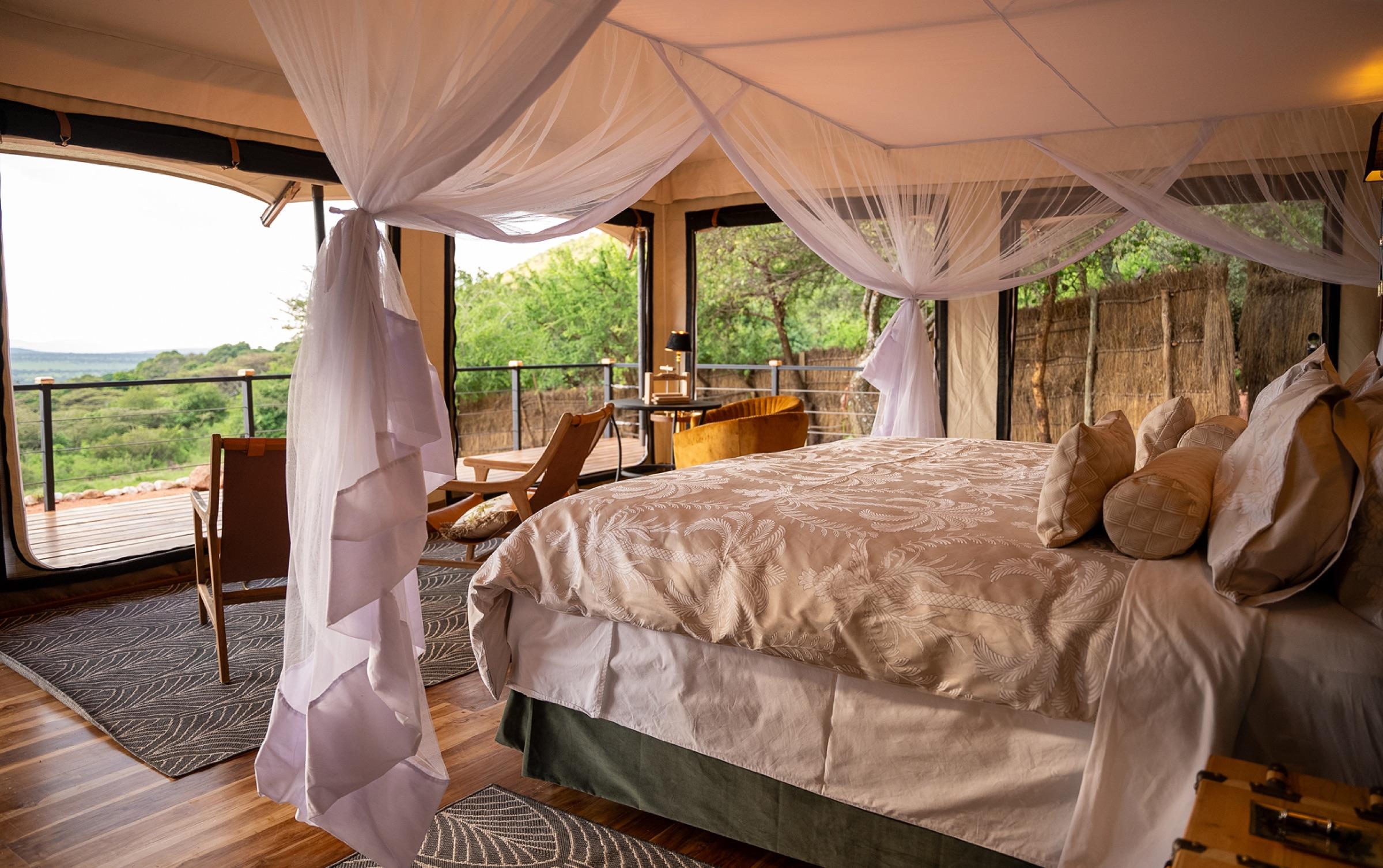
Home of the classic East African safari, where the Maasai Mara and its conservancies hold some of the richest wildlife on earth.
English and Swahili are official languages in Kenya. The local currency is the Kenyan Shilling, although US dollars are commonly used in high-end safari settings.
East Africa Time, GMT plus 3.
Cottar's 1920s Camp is available year-round. July to October is the best-known season for the Great Migration in the wider Maasai Mara, while quieter months can offer softer light, fewer vehicles and a more private feeling in the bush.
Most travellers require an Electronic Travel Authorisation before entering Kenya. Guests should check the latest requirements, passport validity and any exemptions before departure.
International guests usually fly into Nairobi. From there, a light aircraft to the Mara region is the standard onward connection, where your guide meets you at the airstrip for the drive to camp.
Safari clothing should be practical, neutral and comfortable. Bring layers for early mornings and evenings, closed shoes for walking, sun protection and relaxed clothing for dinners in camp.
A selection of other experiences in Maasai Mara, chosen with the same care as everything else on this platform.
Discover Experiences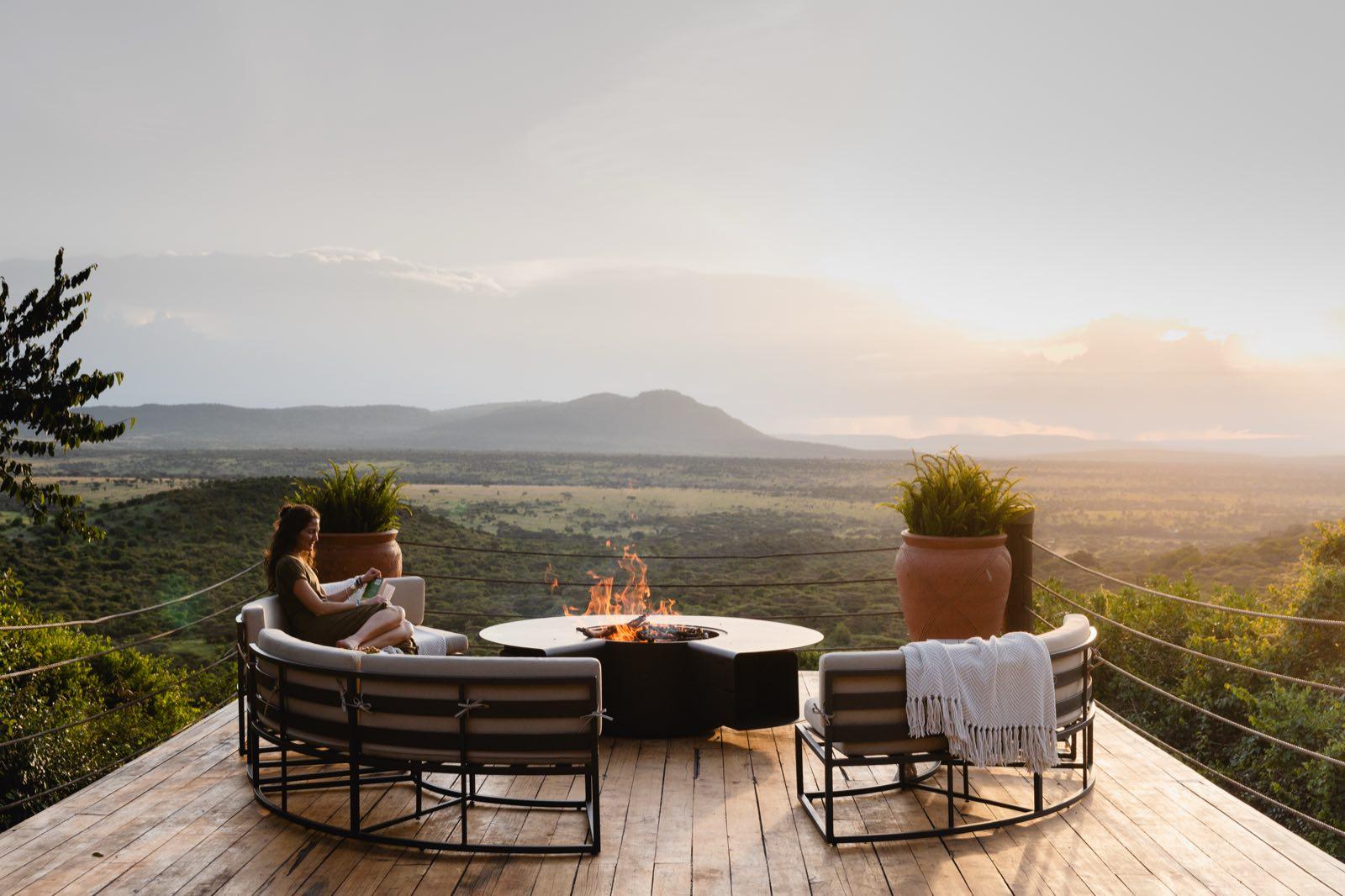
Ten nights at Cottar's award-winning Bush Villa with one dedicated guide — game drives, balloon flight, conservation access, Maasai knowledge, photography and foraging across land, sky and table.
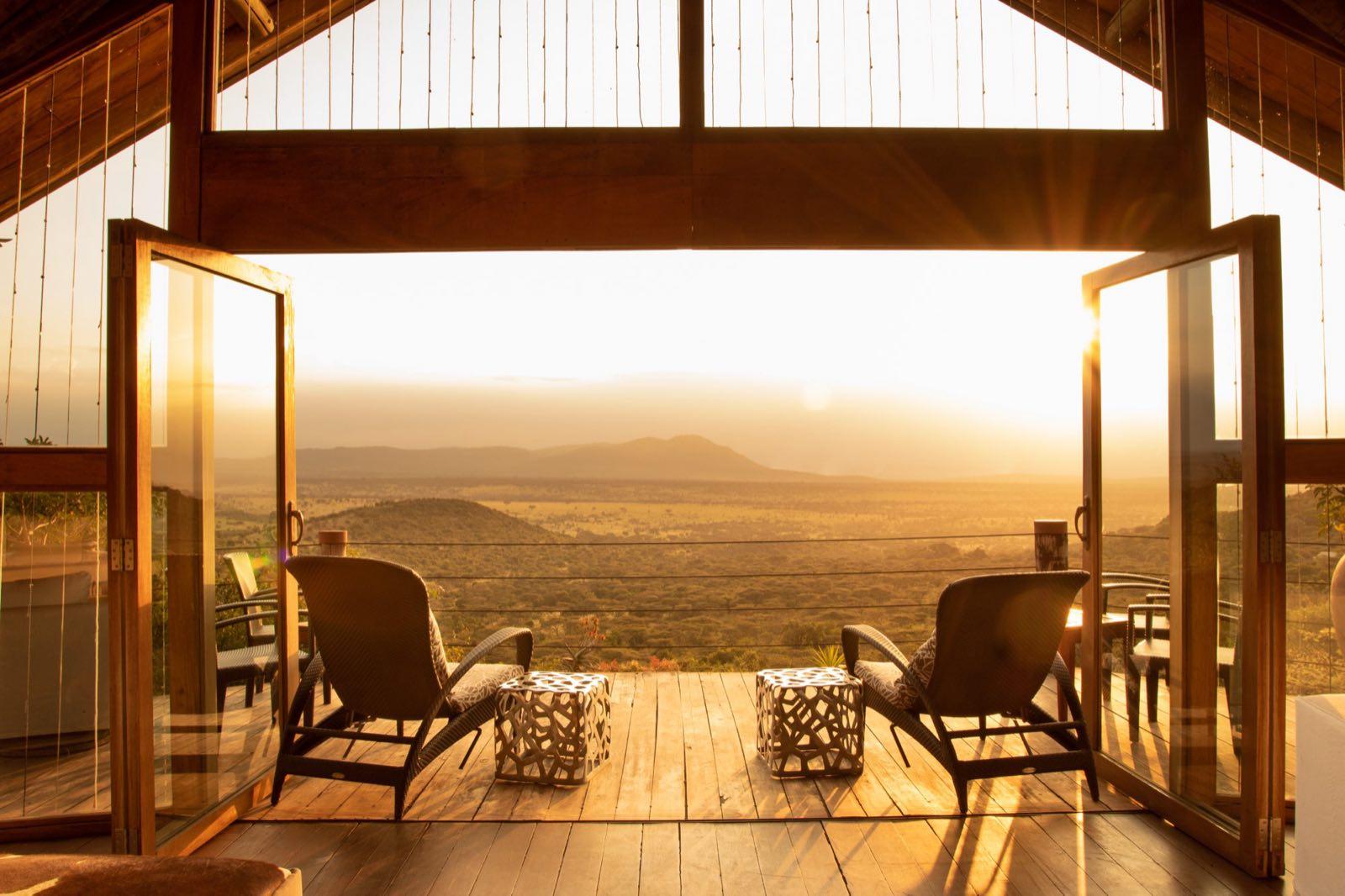
Five nights in an exclusive-use private Mara villa — five en-suite bedrooms, 25-metre pool, private chef and dedicated guide, with a balloon at first light and a Mara Elephant Project helicopter flight.
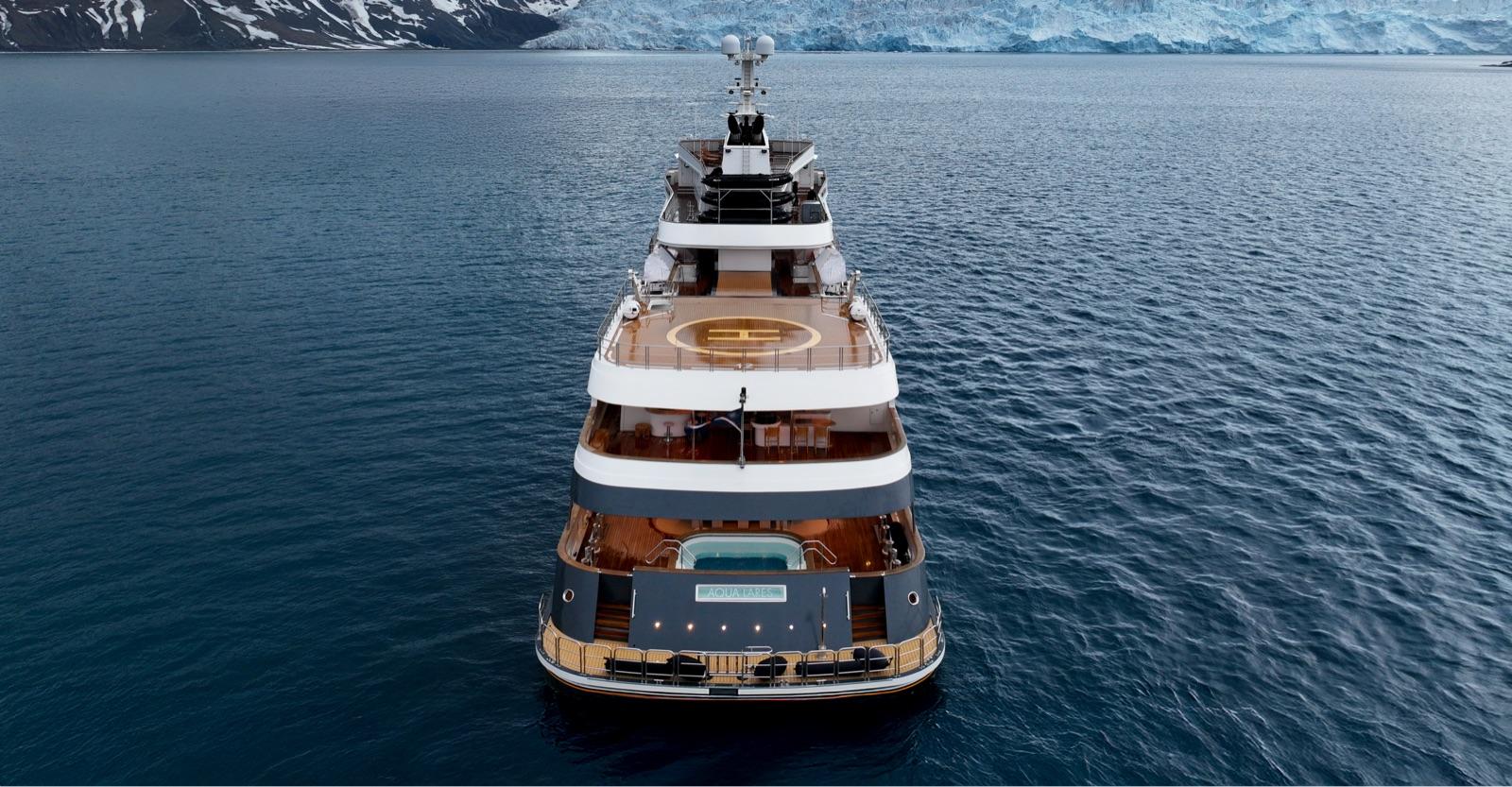
Seven nights aboard the 30-guest expedition yacht Aqua Lares, privately chartered through Svalbard - glacier fjords, pack ice, walrus shores, bird cliffs and midnight sun, with three Owner's Suites, a sauna and indoor and outdoor Jacuzzis on board.